Seller Property Questionnaire
The Seller Property Questionnaire, or SPQ, is one of the most important disclosure documents in a California real estate transaction. It's the seller's formal, written account of what they know about their own property. Not what they think a buyer wants to hear. Not what's convenient to share. What they actually know. Getting this form right protects your seller, protects you, and sets the whole transaction up on a foundation of honest information.
Why This Document Matters
California has some of the most demanding disclosure requirements in the country, and the SPQ sits at the center of them. Selling real estate in California is unlike anywhere else, and the SPQ is a big reason why. The California Association of Realtors developed this form specifically to capture the kind of granular, property-specific knowledge that only a seller has.
Here's the thing: a buyer can hire inspectors and pull permits, but they can't know what the seller knows. The SPQ bridges that gap. It creates a documented record of what was disclosed, when, and by whom. If a dispute arises after closing, that record matters enormously. Skipping it, rushing it, or treating it as a formality is a mistake agents make more often than they should.
It also feeds into your disclosure coordination process. Answers on the SPQ frequently trigger additional forms. A "yes" on insurance claims might require further documentation. A "yes" on roof repairs could prompt follow-up questions during inspections. The SPQ is often where the disclosure chain starts.
How It Works
The seller completes the SPQ at the time of listing, before the property hits the market. Your job as the listing agent is to provide it, explain it, and make sure it gets done thoroughly. This is not a form you hand over and hope for the best.
The seller answers a series of questions about the property's physical condition, systems, repairs, and history. Answers are typically yes, no, or unknown. Simple in theory. The problem is that "unknown" gets overused when the seller actually has relevant information. More on that in a minute.
Once complete, the SPQ becomes part of the disclosure package delivered to buyers. If conditions change during the listing period, the form needs to be updated. A seller who completes the SPQ in January and then has a plumbing issue repaired in March before closing needs to update their disclosures. That's not optional. The California DRE takes material fact disclosure seriously, and a stale SPQ can expose your seller to liability after close.
Key Sections Explained
The SPQ covers a lot of ground. Here's what you and your seller need to pay attention to.
Structural Conditions covers the foundation, walls, floors, and any settling or movement issues. If there's a crack in the foundation that the seller has known about for years, this is where it gets disclosed.
Plumbing and Electrical Systems asks about the age and condition of pipes, water heater, electrical panel, known leaks, or any upgrades made. Sellers often underestimate what counts as a "known issue" here.
HVAC Status covers heating and cooling equipment, age, condition, and any known problems. A system that's on its last legs is worth noting, not hiding.
Roof Condition and Age is one of the most litigated sections post-close. If the seller knows the roof is 20 years old or had a repair after the last rain, that goes here. Buyers find out eventually, and surprises become lawsuits.
Known Defects or Repairs is the catch-all for anything the seller has fixed, tried to fix, or been told needs fixing. Previous repairs often matter just as much as current problems.
Neighborhood Issues includes things like noise, nuisances, disputes with neighbors, or anything that materially affects the property's use or enjoyment. This one catches sellers off guard. They don't always realize neighbor disputes are disclosable.
Insurance Claims History captures any claims filed on the property, regardless of whether they resulted in a payout. This one is underreported constantly.
Common Mistakes to Avoid
Marking "unknown" when the seller actually knows. This is the big one. "Unknown" is for things the seller genuinely has no information about. It's not a way to avoid a difficult answer. If a seller says "I'm not sure I should disclose that," your response should be that they should. Every time.
Failure to disclose previous insurance claims. Sellers sometimes assume that if a claim was paid out years ago and the problem was fixed, they don't need to mention it. Wrong. A prior claim is material information. Buyers have a right to know, and so does their insurer.
Not updating after repairs during the listing period. This one is easy to overlook when a transaction is moving fast. A seller patches the roof in week three of a six-week escrow and nobody thinks to revisit the SPQ. That's a problem. Build a reminder into your listing workflow. If anything changes, the disclosures need to reflect it. Deadline management systems exist partly for situations like this.
Rushing the form at the last minute. The SPQ should not be completed the night before you need to deliver disclosures. Give your seller time to think through their answers carefully. A hurried SPQ leads to gaps.
Pro Tips from a TC
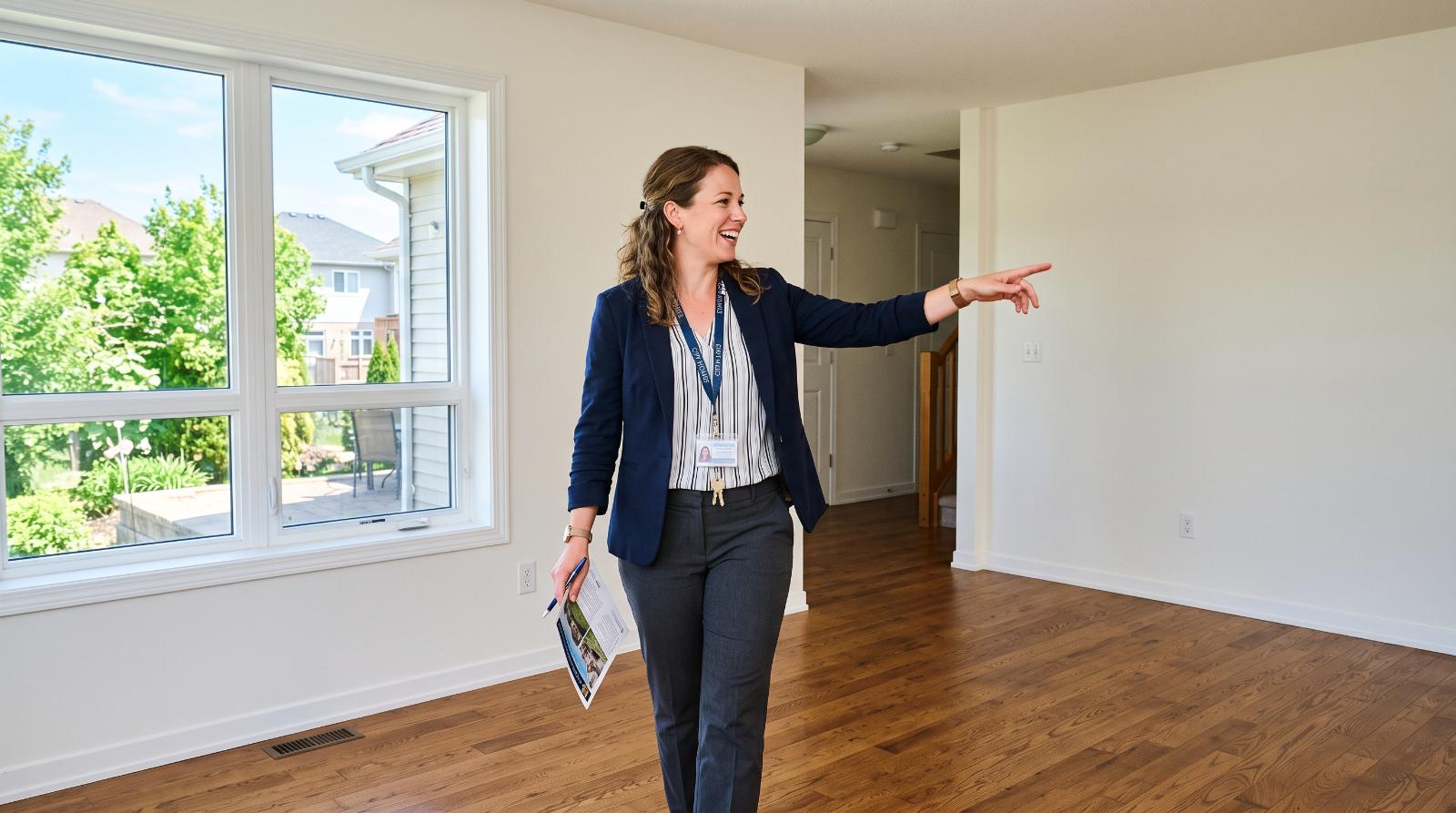
Walk through the property with the seller while completing this form. Not after, not over the phone. In person, room by room. When you're standing in the kitchen asking about the plumbing, the seller remembers things they wouldn't have thought of sitting at a kitchen table with a clipboard.
Ask a follow-up question on every "yes" answer. "Yes, there was a roof repair" should immediately be followed by: when, what caused it, who did the work, was a permit pulled, and has there been any recurrence? Those follow-ups are where the real disclosure value lives.
Pay attention to answers that seem inconsistent with what you can see. If the seller marks "no known roof issues" but there's a water stain on the ceiling, that's a conversation you need to have before the form is finalized.
Use the SPQ as a discovery tool for your listing process, not just a compliance box to check. The answers often tell you what's going to come up in inspections. Getting ahead of those issues is better for everyone, especially your negotiating position. If you're thinking about how to write competitive offers on the buy side, you know buyers' agents are already looking for disclosure red flags, and a clean, thorough SPQ builds buyer confidence.
Related Documents
The SPQ doesn't work in isolation. It connects to a broader disclosure package that typically includes:
- Transfer Disclosure Statement (TDS), which is the seller's and agent's combined disclosure of property conditions
- Agent Visual Inspection Disclosure (AVID), the listing agent's independent visual inspection. Read more about how agents mishandle the AVID
- Natural Hazard Disclosure (NHD), covering seismic, fire, and flood zones
- Supplemental Statutory and Contractual Disclosures (SSD), which picks up additional disclosure areas the SPQ doesn't cover
Browse the full California real estate documents library for the complete picture.
Frequently Asked Questions
Q: Is the SPQ legally required in California?
The SPQ is required under CAR standard practice and is part of the standard disclosure package used by agents operating under CAR forms. While California law mandates broad disclosure of material facts, the SPQ is the structured form CAR created to capture that information systematically. In practice, if you're using CAR forms, the SPQ is expected. Skipping it creates liability exposure for both the seller and the listing agent.
Q: What if the seller says they don't know the answer to a question?
"Unknown" is a legitimate answer when the seller genuinely has no information. But probe first. Many sellers default to "unknown" out of habit or because they haven't thought hard enough about the question. Ask when they bought the property, what work has been done, whether they've had any inspections, and whether there have been any issues. Often the real answer surfaces with a little conversation. If the seller truly has no knowledge, "unknown" is the honest answer and should be documented as such.
Q: When does the SPQ need to be updated during a listing?
Any time there is a material change in the property's condition. If a repair is made, a new issue develops, an insurance claim is filed, or anything that would affect a buyer's understanding of the property, the SPQ should be updated and re-delivered to any buyer in escrow. Don't wait until close to disclose something that happened in week two of escrow. Timely updates protect everyone and are part of a solid transaction compliance process.
The SPQ is one of those forms that feels routine until it isn't. A complete, accurate, thoughtfully completed questionnaire does a lot of work quietly in the background of a clean transaction. If you're handling a high volume of listings and want to make sure your disclosure workflow is airtight, that's exactly what a virtual TC service like Relaxed Agent is built for.
Learn About Other Documents
Comparative Market Analysis
An agent-prepared report analyzing recent comparable sales to help determine an appropriate listing price or offer price for a property.
Statement of Information
A form completed by buyers and sellers providing personal information that helps the title company identify and clear judgments, liens, or other matters affecting title.
Grant Deed
The legal document that transfers ownership of real property from the seller (grantor) to the buyer (grantee), containing warranties that the title has not been previously conveyed.