
Lead Generation

Zillow Showcase Math Looks Different at $900K
Zillow says Showcase adds about $7K to a sale. That's the national median talking. Here's what the same math actually looks like on a California listing.
The $7K Number Zillow Loves to Quote
Every Showcase pitch deck has the same headline stat. Homes marketed with Zillow Showcase sell for about 2 percent more than comparable listings, which Zillow rounds to a tidy $7,000. It's a good number. It fits on a slide. It sounds like real money to a seller who's never thought about the difference between a regular listing and a premium one.
It's also built on the national median home price, which sits somewhere around $410,000. Nobody selling a house in San Diego, Sacramento, or the East Bay is selling at the national median. California's statewide median home price closed May 2026 at a record $930,260, according to the California Association of Realtors, and C.A.R.'s full-year forecast puts the annual median at $905,000. Run that same 2 percent through a $905,000 listing and you land closer to $18,100. That's not a rounding difference. That's a different conversation with a seller.
This isn't a knock on Zillow's math. It's just marketing built for a national audience, and California agents keep repeating the national number in listing presentations without doing the fifteen seconds of arithmetic that would make the pitch land harder.
What Showcase Actually Is, and Isn't
Showcase is Zillow's premium listing product, sold through the ShowingTime+ brand, and it's not the same thing as buying ad placement or paying for Premier Agent leads. It's a listing upgrade. A Showcase listing gets an interactive floor plan, a virtual walkthrough, larger and more prominent photos on Zillow's search results, and agent branding that a standard listing doesn't get.
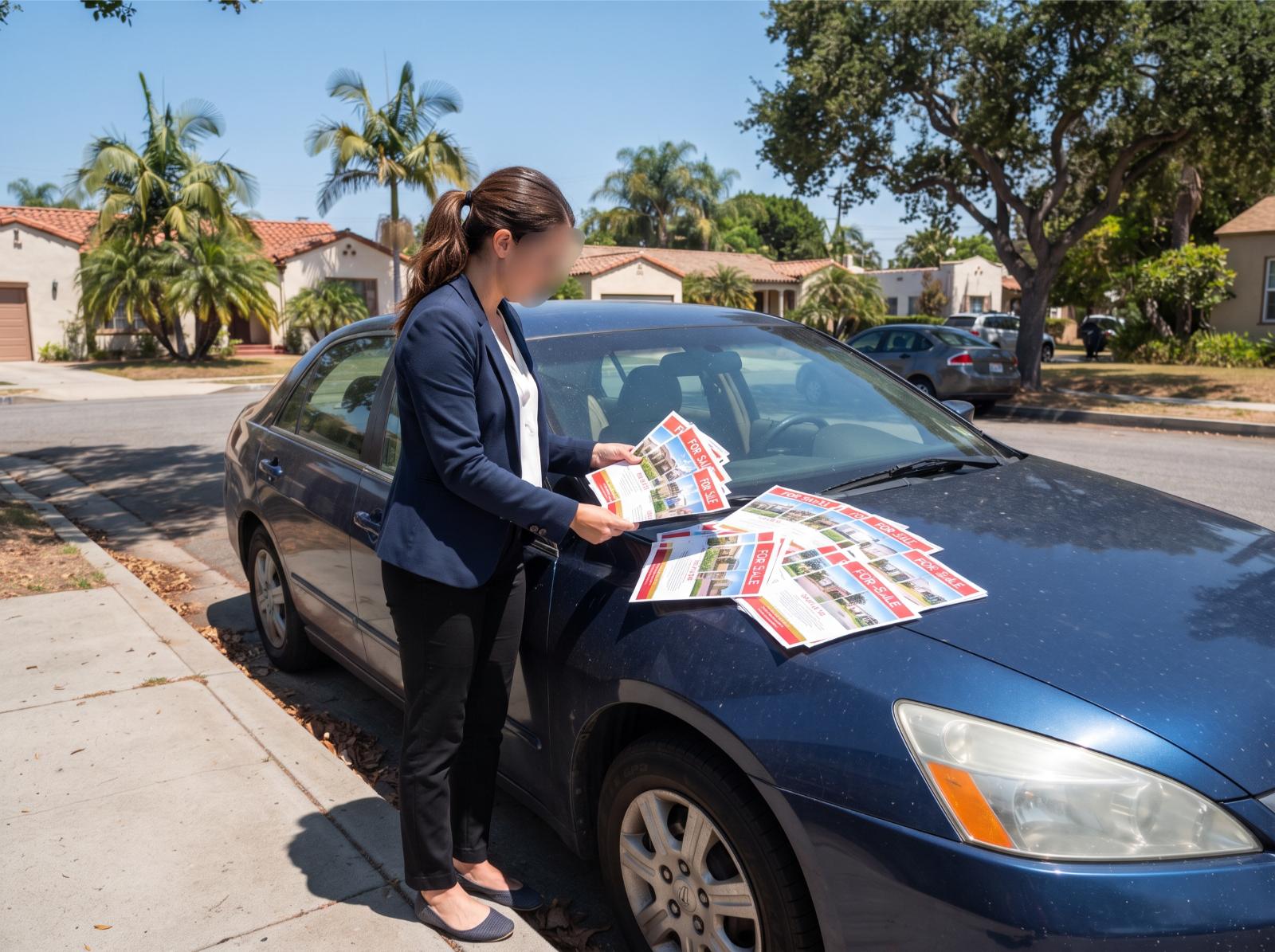
The pitch to a seller isn't really about buyers finding the home. It's about the listing looking different from the other twelve houses in the same zip code on the same Saturday scroll. That differentiation is the actual product. Whether it's worth paying for depends on whether your listing description and photography were already carrying that weight, or whether the listing was blending in.
The Data Behind the Pitch
Zillow's own numbers, current through its June 2026 performance update, claim Showcase listings get 79 to 81 percent more page views, 76 to 80 percent more saves, and 90 percent more shares than similar non-Showcase listings nearby. Agents who put Showcase on more than half their listings are reportedly winning 30 to 35 percent more listings than agents who don't, according to figures on Zillow's own Showcase page.
Vendor numbers are vendor numbers, and Zillow has every reason to make its own product look good. What makes this one worth taking seriously is that it's shown up in independent coverage too, not just Zillow's marketing pages. HousingWire reported that Showcase adoption more than doubled year over year, from 1.7 percent of new listings in Q4 2024 to 3.7 percent in Q4 2025, pulled straight from Zillow's own shareholder letter rather than a press release written to sell agents on the product. That's a real adoption curve, not a talking point.
Inman's coverage of Showcase's analytics rollout has been similarly measured, agents quoted in that reporting describe it as a genuine differentiator in competitive seller's markets rather than a gimmick, which lines up with how the product is actually used here. A California agent quoted in earlier Inman reporting put it plainly: in a seller's market where three or four agents are all pitching the same listing, being the one who can say your marketing puts the property at the top of local search results changes the conversation in the living room.
Redoing the Math at California Prices
Here's the version of the pitch that actually holds up in a California listing presentation.
Take a $905,000 listing, roughly the statewide median C.A.R. is projecting for the year. A 2 percent sale price lift is $18,100. Compare that to Zillow's $7K talking point and the case gets a lot easier to make, because you're not asking a seller to believe in an abstract national average. You're doing the math on their actual house.
Coastal and metro markets push the number even higher. San Francisco's county median sits well north of $1.5 million in recent C.A.R. county data, and 2 percent of that is over $30,000. An Orange County or San Diego listing in the $1 million to $1.4 million range lands the same math somewhere between $20,000 and $28,000. None of that is Zillow's marketing copy. It's just the same percentage applied to real California numbers instead of a national blend that includes markets where the median home costs a third of what it does here.
This is the version worth putting in front of a seller who's already skeptical of upsells. Not "Zillow says it adds value," but "here's what 2 percent looks like on your specific price point, and here's what it would cost to try it."
What It Actually Costs You
Showcase is sold two ways as of 2026. There's a monthly subscription that includes one Showcase listing at a time, and a pay-at-closing option where the agent covers a small amount upfront and the rest comes out of the transaction at close. Additional listings run on a sliding scale tied to the home's price. Current pricing lives on Zillow's own Showcase page, and it's worth checking directly before quoting a seller, because Zillow adjusts pricing tiers periodically and a number pulled from a blog post six months old is not a number to build a listing presentation on.
The pay-at-closing structure matters more than it sounds like it should. It means the cost only shows up if the home sells, which is an easier sentence to say to a seller than "pay us now for something that might help."
Where the Case Gets Weaker
None of this means Showcase is automatically worth it on every listing. A few honest caveats.
The uplift data compares Showcase listings to non-Showcase listings, not to listings with strong professional photography and a well-written description to begin with. If your baseline marketing is already solid, the marginal lift from Showcase specifically is a harder number to isolate. Zillow's own comparisons control for home type, price, square footage, and location, which is more rigorous than most vendor claims, but it's still comparing against an average, not against your best work.
It also works best where buyer traffic on Zillow specifically is heavy, which is most of urban and suburban California, less so in rural markets where local MLS syndication and word of mouth carry more weight than any single portal. And it's a Zillow product. If a listing's strategy leans toward staying off major portals for a period, or a seller has concerns about how off-market marketing choices affect syndication, Showcase isn't the right tool for that conversation.
The honest version of this post isn't "install this and win more listings." It's "here's a real number, run it against your actual market, and decide if the math works for the sellers you're pitching this quarter."

The Verdict for Your Next Listing Presentation
Bring the comparative market analysis you'd already be building for the listing appointment, and add one more line to it. Take the home's likely list price, run the 2 percent, and put the dollar figure next to Zillow's national number so the seller sees both. Sellers respond to specifics, not averages, and "here's what this means for your $1.1 million house" beats "Zillow says 2 percent" every time.
If the seller signs on, that's also the moment to have the residential listing agreement and marketing plan lined up so the conversation moves straight from pitch to paperwork instead of losing momentum. And if listing marketing tools are becoming a bigger part of how you win business, it's worth comparing Showcase against the broader field of AI-powered CMA and listing tools agents are testing this year, since the strongest listing presentations in 2026 are usually stacking two or three of these tools, not betting everything on one.
Winning the listing is still the whole game. The highest-converting leads rarely come from a flashier portal listing anyway, they come from the pitch that shows a seller you already understand their specific number. Showcase is one more way to make that pitch concrete instead of theoretical, provided you're doing the math on their house and not Zillow's average one.
If your listing management is already stretched thin trying to test new marketing tools on top of MLS entry, disclosures, and deadline tracking, that's a workload problem worth solving separately from the marketing question. Check current pricing if that's the bottleneck, since the two problems don't have to compete for your time.

DRE Just Clarified the Open House Buyer Agreement Rule
DRE finally clarified when a signed buyer agreement is actually required. Hosting your own open house was never the trigger. Here's what is.
The Fear That's Making Agents Bad at Open Houses
Ask around and you'll hear it constantly. Agents standing at their own open house, half convinced that talking too much to a visitor is a legal risk now.
That fear has a source. Since the NAR settlement changes took effect in 2024, agents working with buyers need a signed representation agreement before showing property. California layered its own version on top with AB 2992. The rules are real. But somewhere along the way, a lot of agents started treating every open house conversation as a legal minefield, and it's costing them leads for no reason.
The DRE just finalized the regulations that actually answer this question, and the answer is more agent-friendly than most people assume.
What DRE Actually Just Clarified
The California Department of Real Estate's finalized regulations implementing AB 2992 are now part of the state's official Real Estate Law, codified under Title 10 of the California Code of Regulations. Before this, the statute itself just said a buyer-broker agreement has to be signed "as soon as practicable." Nobody had a precise definition of practicable, which is exactly the kind of ambiguity that makes agents overcorrect out of caution.
The finalized rule text, pulled directly from DRE's own rulemaking file, spells it out plainly. There's a rebuttable presumption that it's practicable to get a signed agreement before a buyer's agent shows a buyer a property, in person or virtually. Showing is the trigger. Not conversation. Not a business card exchange. Showing.

Why Hosting an Open House Never Starts the Clock
Here's the part that should ease a lot of unnecessary anxiety. The regulation text is explicit: a seller's agent acting solely on behalf of the seller is not acting as a buyer's agent by showing a property to potential buyers, whether at an open house or any other showing.
Read that again, because it settles a question a lot of agents have been guessing at. Hosting your own listing's open house, walking visitors through the rooms, answering questions, pointing out the new roof, none of that flips you into buyer's agent territory. You're doing exactly what you're supposed to be doing as the seller's representative. No signature required from anyone who wanders through.
The buyer representation agreement itself makes the same distinction in plain terms: if you're hosting an open house as the listing agent and a buyer wanders in, that's different from accompanying a buyer you already represent to a showing.
The Trigger Isn't Conversation, It's Acting as Their Agent
Where agents actually get into trouble isn't small talk. It's the moment a conversation quietly becomes representation.
Telling a visitor the square footage or when the roof was replaced is hosting. Walking them through comparable sales down the street, coaching them on what to offer, or agreeing to personally show them three more houses this weekend is representation, whether or not anyone called it that out loud. The regulation defines a "showing" broadly enough to include virtual walkthroughs too, so the line isn't about being in a physical room together. It's about acting on someone's behalf.
This is the same instinct behind the more common BRBC mistakes that show up in DRE audit letters, leaving compensation vague or forgetting to upgrade from a single-showing form to the full agreement once a relationship becomes ongoing. The pattern is the same: paperwork lagging behind what's actually happening in the relationship.
Where Agents Actually Get This Wrong
Two failure modes show up constantly, and they're opposite problems.
The first is overcorrecting. An agent gets nervous, treats every open house visitor like a legal liability, and either stops having real conversations or starts asking people to sign something just to walk through. That kills lead capture for no legal reason. A curious neighbor or an early stage buyer doesn't need a signature to talk to you about the neighborhood.
The second is under-correcting. An agent gets comfortable, starts giving a specific visitor real negotiating advice, offers to personally show them other listings, and effectively starts representing them without ever mentioning a BRBC. That's the version that actually creates DRE exposure, regardless of how the conversation felt in the moment.
How to Actually Work the Room
Practically, this means you can do a lot more at an open house than the anxious version of this rule suggests.
Collect names, numbers, and one real qualifying detail from every visitor, the same way outlined in a solid open house follow-up system. Answer honest questions about the property and the neighborhood. Share your general read on the market. None of that requires paperwork, because none of it is representation.
What changes the equation is the moment you agree to actually work for someone specifically, showing them other properties, writing an offer strategy, negotiating on their behalf. That's when the BRBC conversation needs to happen, and per the DRE's own timing rule, it needs to happen before you show them anything, not after.
When to Bring Out the BRBC
If an open house visitor asks you to show them a different property this weekend, that's your cue. Not a suspicious one, just the normal, expected moment representation actually begins.
Have the conversation about compensation and scope before that first showing, not during it and definitely not after. It's a five minute conversation, and the C.A.R. forms library keeps the current version of the agreement updated to reflect what the actual statute requires. Also confirm the agency relationship gets properly disclosed on the agency disclosure form at the same stage, since the two documents are meant to travel together.
None of this should make an open house feel like a legal obstacle course. It's the opposite. Knowing exactly where the line sits means you can actually talk to people, gather real information, and build a pipeline without either scaring leads away or accidentally representing someone you never formally agreed to help.
Next open house you host, count how many good conversations you had that never needed a signature. That number is probably higher than the anxious version of this rule had you believing.

Your Google Business Profile Now Answers Questions For You
Google quietly killed the Q&A section on Business Profiles. Gemini now answers for you, pulling from your listing, reviews, and site. Here is what matters now.
A buyer types "does this agent work with first-time buyers" into Google Maps, right on your business listing.
Nobody wrote an answer to that question. Not you, not a past client, nobody. Google's own AI just answered it anyway, pulling from your profile, your reviews, and whatever your website says about you.
If that sounds like it happened without your permission, that's because it basically did.
This isn't a small tweak buried in a settings menu. It's a real shift in how Google represents your business to anyone searching for an agent, and most agents haven't caught up on what actually changed or what it means for their leads.

What Actually Happened to the Q&A Section
For years, Google Business Profiles had a simple Q&A feature. Anyone could post a question. Anyone, including strangers with no connection to your business, could post an answer. You could add your own answers too, and plenty of agents used it to seed useful questions about their service areas or specialties.
That feature is gone. Google announced it would shut down the Q&A API on September 17, 2025, and the API was fully discontinued on November 3, 2025. The public-facing Q&A threads themselves started disappearing from listings starting December 3, 2025, with the removal rolling out gradually over the following few months. If your profile still shows old Q&A content today, that content is frozen. You can't add to it, and it's on its way out entirely.
In its place, Google built what it calls Ask Maps. It's a Gemini-powered feature that lets someone type a natural question directly on your listing, "do they handle rentals," "are they good with first-time buyers," "how fast do they respond," and get an instant, synthesized answer. No human wrote that answer. Gemini generated it on the spot.
Google's own stated reasoning for the change centers on usability. Q&A threads piled up over years, and the useful, current answers got buried under old, outdated, or flat-out wrong entries nobody ever cleaned up. Rather than continue moderating a feature that had become genuinely hard to use, Google replaced the whole mechanism with something generated fresh, every time, from current data. Whether or not that tradeoff favors you depends entirely on how well you keep your own profile updated, which is the theme running through everything below.
How Gemini Actually Builds the Answer
This is the part worth understanding clearly, because it changes what you're optimizing for.
Ask Maps pulls from several sources, roughly in order of weight. Your Google Business Profile fields come first, your business description, categories, services, hours, and any attributes you've filled in. Customer reviews come next, and Gemini reads them closely enough to cite specific details, not just star ratings. If several reviewers mention that you're responsive on weekends or great with anxious first-time buyers, Gemini will surface that. Your website is the third major source, particularly any content structured as clear questions and answers.
HousingWire's coverage of AI-driven proptech shifts has been tracking this broader pattern across real estate specifically, agent-facing platforms increasingly pulling structured data into AI systems that make recommendations on an agent's behalf, whether that agent actively participated in shaping the input or not.
Barry Schwartz's coverage for Search Engine Roundtable confirmed the Gemini integration expanded to Business Profile management directly, letting business owners ask Gemini questions about their own listing performance and reviews, not just letting customers ask questions about the business. That integration went fully live on desktop and mobile on June 10, 2026, and it expanded to multi-location accounts within the last few weeks, meaning teams and brokerages managing several office listings can now use it too.
The practical effect is that your profile isn't a static form anymore. It's raw material an AI model reads and synthesizes on demand, every time someone asks it a question.

The Tactic That Just Died
If you or your marketing person spent time seeding your Q&A section with keyword-rich questions, "does this agent serve Rancho Cucamonga," "do they work with VA loans," that tactic is gone. There's no Q&A box left to seed.
That's not necessarily a loss. The old system had a real problem. Anyone could answer a question on your listing, including competitors, bots, or people who'd never worked with you. Wrong answers about your pricing, your service areas, or your availability could sit there for years, and correcting them meant manually flagging bad content and hoping Google acted on it.
Ask Maps removes that specific vulnerability. Nobody can post a fake answer to your listing anymore. But it also removes your ability to directly control the exact wording of what a prospective client sees. You're no longer writing the answer. You're feeding the raw material Gemini uses to write it for you.
What This Means for Real Estate Specifically
Real estate runs almost entirely on local search. A buyer or seller typing "real estate agent near me" or "best realtor in [city]" into their phone is the exact kind of query Ask Maps is built to answer conversationally, and increasingly to answer instead of just listing you as one of three map pack results.
If your profile is thin, an incomplete service area, a generic one-line description, categories that don't reflect what you actually specialize in, Gemini has almost nothing to work with. It either skips the answer entirely or infers something from whatever scraps of review text it can find, which can produce an answer that undersells you or gets a detail wrong.
If your profile is genuinely complete, specific service areas, a description that names your actual specialties, current photos, and a steady stream of detailed reviews, Gemini has real material to draw from. The gap between those two agents just got wider, because one of them is now being represented by an AI system pulling from good data and the other is being represented by an AI system pulling from almost nothing.
This connects directly to the work we've covered before on how to rank in AI search generally. That piece covers the broader strategy. This is the specific platform mechanic sitting underneath a big part of it.
Worth noting too, Google hasn't rolled Ask Maps out uniformly across every business category. Some regulated categories have been excluded so far, largely over compliance and data sensitivity concerns. Real estate hasn't been one of the excluded categories, which means agent profiles are squarely inside this rollout right now, not waiting on the sidelines for it to arrive later.

The Review Queue Nobody's Checking
Here's a detail worth knowing about specifically, because it's easy to miss inside your Business Profile dashboard.
Google added a safeguard as this rolled out. AI-drafted answers to certain questions don't always go live instantly. Some sit in a pending review queue where the business owner can approve, edit, or reject them before they're published. If you haven't looked at your Business Profile dashboard recently, there's a real chance something is sitting there waiting for your attention, and if nobody checks it, it can eventually publish unreviewed.
That queue deserves the same regular attention you'd give a new lead notification. Whoever manages your reviews and profile should be the same person checking that queue, and it takes minutes, not hours, once it becomes a habit.
What to Actually Fix on Your Profile This Week
Start with completeness. Every field, your business description, your service areas, your categories, your attributes, should be filled in accurately and specifically. Generic entries give Gemini nothing to work with. "Real estate agent serving Southern California" is worse than "Real estate agent specializing in first-time buyers in Riverside and San Bernardino counties," because the second one gives the AI something concrete to cite when someone asks a location-specific question.
Audit your photos. Ask Maps regularly pulls images directly into its answers, and outdated headshots or photos from listings you sold three years ago don't help you. Replace anything stale.
Look at your reviews differently now. A five-star rating with no detail gives Gemini almost nothing to cite. A review that says "she walked us through the entire inspection contingency process and caught something our first agent missed" gives the AI a specific, usable detail it can surface when someone asks a relevant question. When you ask past clients for reviews, a gentle prompt toward specifics, what stood out, what surprised them, produces material that actually helps you now.
Check your website's FAQ content and make sure it's structured clearly, since it's one of Gemini's stated source categories. If you've already got FAQ schema on your key pages, this is exactly the kind of update that makes that investment pay off in a new way. If your site doesn't have anything structured that way yet, a clean contact page and clear service pages are a reasonable place to start before tackling FAQ schema specifically.
Make sure your categories are accurate and specific too. "Real Estate Agent" as your primary category with the right secondary categories added, rather than a vague catch-all, gives Gemini a clearer signal about what you actually do and who you serve.
And check that pending answer queue. Today, not eventually.
The Bigger Pattern Here
This is the second major platform shift in local search mechanics this year, and it won't be the last. Whatever comes next, the underlying lesson stays the same: complete, specific, recently updated information wins, and thin or stale profiles lose ground quietly, without any warning that it's happening.
The same principle runs through nearly everything we've covered about showing up in AI search results and about why generic listing copy underperforms specific, detailed content. AI systems reward specificity because specificity is what they can actually use. That was true before Ask Maps existed, and it's more true now that an AI model is directly generating the first impression a prospective client gets of you. Search Engine Journal's ongoing coverage of Ask Maps has made the same point repeatedly across other local business categories, not just real estate.
If you're managing a growing pipeline of listings and clients, this kind of ongoing profile maintenance is exactly the sort of task that slips when nobody owns it specifically. It's a smaller cousin of the same problem a transaction coordinator solves on the compliance side of your business, someone whose job is noticing the thing that's easy to deprioritize when you're juggling six other things.
Pull up your Google Business Profile right now. Check every field for gaps, look at your last five reviews for specificity, and check whether anything's sitting in a pending queue waiting on you. The AI answering questions about your business is only as good as what you've actually given it to work with.

What BoldTrail Buffini Mode Actually Does for You
BoldTrail and Buffini just combined referral coaching with AI. Here is what Buffini Mode actually does for your pipeline, minus the press release spin.
Two Names That Don't Usually Show Up in the Same Sentence
Buffini and BoldTrail come from two completely different worlds. One is a thirty year old coaching company built around the phrase Work by Referral, the kind of thing you associate with roleplay scripts and handwritten notes. The other is an AI powered CRM platform used by more than four hundred thousand agents, teams, and brokerages. In May, at Inside Real Estate's Unite conference in Charleston, the two companies stood on stage together and announced they'd combined forces into something called BoldTrail Buffini Mode.
If your first reaction was "wait, why," you're not alone. But this one's worth understanding, because it says something real about where lead generation is heading, even if the press release language is doing a lot of heavy lifting.
What Actually Got Combined
Strip away the stage presence and the announcement is fairly specific. BoldTrail already had an AI powered mobile workspace called Streams, built to cut through the noise of a crowded pipeline and tell agents what to do next instead of handing them a report to interpret. Buffini's Work by Referral methodology, the coaching system built around consistent relationship touches and referral generation, is now built directly into that workspace as Buffini Mode.
In plain terms, an agent using this setup gets Buffini's referral-focused daily rhythm layered on top of BoldTrail's lead scoring and task prompts, in one login instead of two separate systems that never talked to each other. That's a real integration problem worth solving. Anyone who's tried to run a coaching methodology out of a spreadsheet next to a CRM that has its own opinions about what matters knows how much gets lost in that gap.
The Numbers Everyone's Quoting
Here's where the cynical read earns its keep. The companies are citing 2.5x productivity gains and three times more conversations per lead from Streams, and a $369,400 average income among Buffini coached members, described as ten times the national average. Those are the companies' own figures, self reported, with no independent methodology attached that either press release makes visible.
None of that makes the numbers false. It just means you should read them the way you'd read any vendor's case study, as a best case built from their most successful users, not a guarantee of what happens when you turn the thing on. The full announcement from RISMedia and the official press release are both worth reading in full if you want the unfiltered version before deciding what any of it means for you specifically.

What Streams Was Already Doing Before This
It's worth separating what's actually new from what's just newly branded. Streams launched as its own AI powered productivity app before this partnership existed, built around the same idea a lot of newer real estate tech is chasing: stop giving agents dashboards to analyze and start giving them a single next action to take. That's a real shift from the CRM model most agents are used to, the kind that leaves a pile of tagged leads sitting in a system nobody opens because interpreting the data takes more time than agents actually have.
If you're already on BoldTrail and have looked at the features most agents never bother touching, Buffini Mode is best understood as a new layer on top of that existing engine, not a separate product you're evaluating from zero. The AI prioritization was already there. What's new is Buffini's specific referral cadence sitting on top of it instead of a generic activity tracker.
Where This Fits If You're Not a Buffini Member
Here's the part that gets glossed over in the coverage. This isn't free, and it isn't automatic just because you use BoldTrail. Buffini Mode is built for agents already in or joining the Buffini coaching ecosystem, which has its own membership structure. Buffini relaunched its Referral Maker CORE membership at ninety nine dollars a month back in January, bundling training videos, done for you marketing assets, and access to their own Referral Maker CRM system, alongside a returning lead generation program called The Blitz that claims to help agents generate up to eighty five percent of their annual leads in just six months through three seasonal sprints.
If you're not already paying for Buffini coaching and don't plan to start, this announcement doesn't really change your day. It's a deeper integration between two products you'd both need to be subscribed to, not a new free feature landing in your existing BoldTrail account. Worth knowing before you get excited about something that isn't actually included in what you're already paying for.

The Part That's Genuinely Worth Paying Attention To
Buried past the launch announcement is a follow up that matters more long term. In late July, Inside Real Estate rolled out something called Streams Studio, a no code AI layer that lets brokerages and teams build custom automated workflows connecting their CRM, marketing, transaction management, and communication tools together, whether or not those tools are all built by Inside Real Estate. That's a bigger structural move than a single coaching partnership. It's IRE positioning BoldTrail as connective tissue across a broader tech stack rather than trying to be the only tool an agent uses.
That trend matters even if you never touch Buffini Mode specifically. The direction real estate tech is heading is toward fewer logins and more automated handoffs between the tools agents already own, the same instinct behind stitching together a Zapier workflow when nothing in your stack talks to anything else. Whether it's Buffini and BoldTrail specifically or some other pairing next year, the pattern is the one to watch.
Should You Actually Do Anything About This
If you're already a Buffini member on BoldTrail, this is worth exploring, since you're likely paying for pieces of both systems already and consolidating them into one workflow is a legitimate time saver. If you're not in that world, there's nothing urgent here. The underlying lesson is more useful than the specific product. Referral generation still works better with a consistent system behind it than with good intentions alone, the same principle behind why past clients remain most agents' best untapped lead source regardless of which CRM happens to be tracking them.
Whatever system you're running, the actual test isn't which logo is on it. It's whether you're following up with the same person a fifth time, six months after the first conversation, or whether that contact quietly fell out of whatever workflow was supposed to catch them.

Loan Officer Partnerships: The Lead Source You Skip
Your phone is full of loan officers who want to grab coffee sometime. Here is how to turn one of them into a real referral partner, not a wasted contact.
Loan Officer Partnerships: The Lead Source You Skip
Every Lender Pitch You've Ignored Says the Same Thing
You have a stack of business cards from loan officers who bought you a coffee once. Maybe a lunch. They said something about "partnering up" and "sending each other business," and you nodded, because that's what you do when someone else is paying for your sandwich. Then you never spoke to them again.
Meanwhile you're spending real money on portal leads that half answer their phone and ghost you after showing three houses. Somewhere in your contacts is a person whose entire job depends on the same buyers you're chasing, and you've filed him under "networking, maybe."
That's the gap. Not a lack of leads. A lack of follow through on a lead source that's already sitting there, pre qualified, motivated, and structurally aligned with your business in a way Zillow will never be.

Why Referrals Still Run This Business
Here's the part agents forget when they're deep in a Facebook ad spend spiral. According to the National Association of Realtors, forty three percent of buyers found their agent through a referral, and eighteen percent used an agent they had already worked with. That's the majority of buyer side business coming from relationships, not clicks. Read the full breakdown from NAR if you want the rest of the numbers.
A loan officer talks to prospective buyers earlier than you do, in almost every case. Someone gets serious about buying, they start with a pre approval conversation, and only after that do they start touring homes with an agent. That means a good loan officer sees your future client before you do. If that loan officer has three agents they trust and you're not one of them, you're losing deals you never even knew existed.
This isn't a replacement for your past clients as a lead source or the warm referral system you're already running. It's an addition. A parallel pipeline that requires almost no ad spend and, done right, sends you people who are already financially vetted before you ever get a call.
The Line You Cannot Cross
Before you go set up a "partnership," you need to understand the boundary, because this is where agents get themselves and their lenders into real trouble.
RESPA Section 8 prohibits paying or receiving kickbacks for referring settlement service business, and that includes mortgage referrals. You cannot take a fee for sending someone to a specific loan officer. You cannot split commissions for referrals. And marketing arrangements that look like a co-branded newsletter or a shared open house sign but are actually structured as payment for referrals have landed both lenders and brokerages in consent orders with civil penalties in the hundreds of thousands to millions of dollars.
The CFPB's own compliance FAQ on RESPA is worth an actual read, not a skim, especially the section on marketing services agreements. The short version: you can co-market. You can split the cost of an ad that promotes both of you equally. You cannot pay, or be paid, for the referral itself, and you cannot structure a marketing deal that's secretly a referral fee with extra paperwork.
California agents also answer to the DRE's broker relationship rules, so if you're unsure whether an arrangement crosses a line, that's a conversation for your broker or a real estate attorney, not a guess based on what your last brokerage let you get away with.
What an Actual Partnership Looks Like
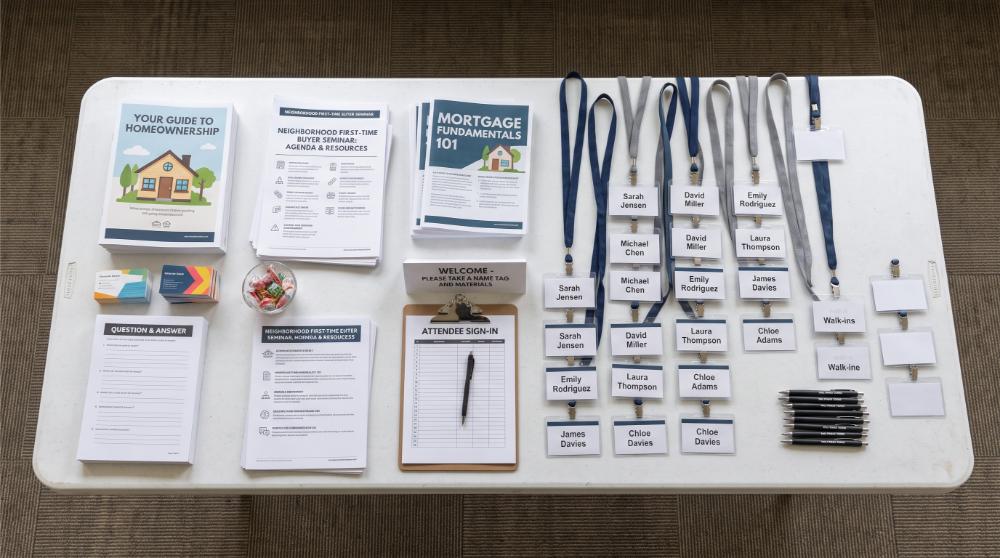
Strip out anything that resembles payment for referrals and you're left with a surprisingly wide field. Co-hosted first-time buyer seminars where you split the venue cost and both speak. Joint content, like a monthly email that goes to both of your databases with genuinely useful information, not a thinly veiled ad. A shared print piece for a neighborhood mailer, similar in spirit to the kind of mailer that doesn't get thrown out, but co-branded and cost split evenly.
You can refer clients to each other based on trust and track record, full stop, with no fee attached in either direction. That's not a loophole. That's the entire point. The relationship has to be valuable on its own merits, not propped up by money changing hands under the table.
Finding a Loan Officer Worth Partnering With
Most agents pick a lender the way they pick a barber. Whoever's closest, whoever a friend mentioned once. That's backwards for a relationship you're hoping to build for years.
Look at how fast they respond to pre approval requests on nights and weekends, because your buyers don't stop looking at houses after 5pm and neither should their financing person. Ask other agents who they actually trust, not who sends the nicest holiday card. Watch how they handle a file that gets complicated, a self-employed buyer, a low appraisal, a rate lock that's about to expire mid-escrow. The loan officers worth keeping are the ones who call you with bad news early instead of letting it surface three days before closing.
If you already work with a transaction coordinator, ask them who they've seen handle deadlines well. TCs see loan officers at their best and worst more than almost anyone, because managing the lender relationship is part of what keeping a file on track actually requires. That's not a bad source of intel.
Building the Relationship Without Making It Weird
Don't lead with "let's send each other business." That's the fastest way to make someone feel like a transaction instead of a partner, and it also edges uncomfortably close to the RESPA line if either of you starts treating the arrangement as quid pro quo.
Lead with something useful instead. Send them a client who needs financing, with zero expectation attached, and see what they do with it. Do that two or three times before you ever have "the conversation" about formalizing anything. Trust built through actual behavior beats a handshake agreement every time, and it protects both of you if anyone ever asks how the relationship works.
Keep the cadence low pressure. A quarterly check-in call, a shared lunch twice a year, a text when you see market news relevant to both of you. This isn't a courtship. It's a long, quiet accumulation of reasons to trust each other, the same way a lead magnet earns trust before it earns a client rather than demanding one upfront.

When the Loan Officer Becomes the Weak Link
Here's the part nobody wants to admit. Sometimes the loan officer is the reason a deal falls apart. Slow to respond. Vague about conditions. The kind of person who says "we're on track" until the day before closing, when suddenly they're not.
If that's happening more than once, it's not bad luck. It's information. Track it the way you'd track any lead source that isn't converting, because a referral partner who costs you deals is worse than no partner at all. A CRM that actually shows you deal-level notes tied to each partner helps here, and if your CRM is currently collecting dust instead of tracking this kind of thing, that's a separate problem worth fixing.
This is also where a transaction coordinator earns their fee twice over. A good TC keeps the pressure on every party in the file, lender included, so a slow loan officer gets caught in week two instead of week six. If you're managing ten files solo and can't tell which of your lender partners is quietly costing you closings, that's usually a sign you're past due for help.
Make the Referral a Two Way Street
The partnerships that last are the ones where both people are actually sending business, not just one person hoping the other remembers them at the right moment. If you're only ever the one receiving, the relationship has an expiration date, because the loan officer will eventually find an agent who sends deals back.
Look at your own preferred vendor list and be honest about whether it's a real resource or a graveyard of names you collected once. A short, curated list of two or three loan officers you genuinely trust, that you send to every client who needs financing, is worth more than fifty contacts you can't tell apart.
If you want to see how Relaxed Agent fits into the file once financing, disclosures, and deadlines all start moving at once, take a look at what our team actually handles or just reach out and ask us directly. We're not selling you a lender relationship. We're the people making sure the one you already have doesn't blow up your escrow.
Next time a loan officer buys you coffee and mentions partnering up, don't nod and forget. Send them a client. See what they do with it. That's the whole test.

The Highest-Converting Leads Agents Keep Ignoring
Expired listings convert better than any other lead source in 2026. Here is how to find them, approach sellers with empathy, and win the re-list.
The Lead Source Sitting in Your MLS Right Now
You're spending money on portal leads that convert somewhere between one and four percent. Meanwhile there's a homeowner three miles away who just watched their listing expire, already decided to sell, already sat through a listing presentation once, and is currently annoyed enough at their last agent to take a call from someone better. Nobody's calling them. That's the gap.
Expired listings convert at roughly a 44 percent list rate and just over 20 percent sold rate, higher than any other lead source agents track. Cold portal leads don't come close. The seller already made the hardest decision, the one to sell, months ago. Your job isn't convincing them to sell. It's convincing them you're not agent number five in the last ninety days.

Why There Are More of Them Than Usual
Home price growth has flattened close to zero in a lot of markets this year, which means listings that were priced for a market that no longer exists simply aren't moving. Some estimates put close to half of currently active listings at risk of expiring without a price adjustment or a strategy shift. That's not a normal cycle. That's an unusually large pool of frustrated, still-motivated sellers sitting in your MLS, waiting for someone to explain what actually went wrong the first time.
Add in the aftermath of the NAR commission settlement, and sellers are more aware than ever of exactly what they're paying an agent and what they expect to get for it. An expired seller who already had one disappointing experience is not going to relist with the next agent who shows up with a generic pitch. They're going to relist with the one who can explain, clearly, why the last attempt failed and what changes this time. That's a harder conversation than a cold lead, but it converts at a much higher rate once you're in the room.
Where to Actually Find Them
Most MLS systems let you filter by status change directly, so build a saved search for listings that shift to expired daily rather than relying on a third-party feed that's a day or two behind. Speed matters here more than almost anywhere else in lead generation. The seller who gets a thoughtful call within 24 hours of expiration is dealing with a very different emotional state than the one who's already gotten calls from six other agents by day three.
A few practical filters worth building into your workflow:
- Sort for listings that expired without a price reduction in the final 30 days, those sellers are the most likely to know pricing was the actual problem
- Cross-reference against your CRM to confirm the property hasn't quietly relisted with another brokerage before you reach out
- Flag properties that sat over 60 days, since that's usually a marketing or condition issue rather than a pricing issue, and it changes your pitch
- Track which zip codes produce the most expireds monthly, that's often the same footprint worth building into your neighborhood expert positioning

The Approach That Actually Works
Every agent who's worked expireds successfully says some version of the same thing. Lead with curiosity, not a pitch. The seller doesn't need to hear that you're better. They need to feel like someone is finally asking what actually happened, and listening to the answer. A first call that sounds like "I noticed your home didn't sell and I wanted to understand what happened" gets further than one that opens with your team's marketing plan.
That doesn't mean skip the follow-up. It means sequence it right. A HousingWire breakdown of expired listing scripts makes the point directly, most expired sellers are frustrated and likely to blame their previous agent, so the agent who shows up as a consultant rather than a salesperson wins the room. A multi-touch cadence across phone, email, video, and mail tends to outperform a single call, and the average cycle from first contact to signed listing agreement runs close to 30 days. This isn't a same-day conversion strategy. Build the follow-up plan before you make the first call, not after it goes to voicemail.
This is also where your mailer strategy and your open house follow-up system overlap more than people expect. The same discipline that keeps a mailer from getting trashed, specific, personal, not generic, is exactly what separates an expired listing letter that gets a callback from one that gets recycled unread.
The Compliance Part Nobody Wants to Think About
Cold calling expired sellers still falls under the same telemarketing rules as any other outreach. Scrub your list against the National Do Not Call Registry before you dial, and if you're texting instead of calling, know that the registry now covers text messages too. This isn't the headline of the strategy, but skipping it turns a good lead source into a compliance problem fast, and that's a conversation better had with your California Association of REALTORS® risk management resources before it becomes a demand letter.
What to Say When You Get Them on the Phone
The sellers who convert aren't looking for someone to tell them their home is perfect and the last agent was incompetent. They're looking for someone who can explain, specifically, what needs to change. That means walking in with an actual pricing analysis, not a guess, and a clear point of view on whether the issue was price, photos, timing, or condition. If you can walk into that conversation and explain exactly how you'll justify your value and your commission, you're already ahead of most of the agents who called before you.
This is the same instinct behind turning a failed transaction into future referrals. A disappointing outcome doesn't have to end the relationship. It just means the next conversation has to be more honest than the last one.

Why This Beats Building Another Lead Magnet
There's a place for lead magnets and networking, and neither one is going away. But both take months to compound into consistent business. Expireds are sitting in your MLS today, already decided, already frustrated, already looking for a reason to trust someone new. If your lead conversion rate has been flat no matter how much you spend on portals, this is worth testing before you spend another dollar on ad traffic. Sometimes the problem was never the lead source. It was that you were ignoring the best one available.
So pull your MLS's expired report right now. How many are sitting there from just the last two weeks? That's not a hypothetical pipeline. That's a phone list.

The Open House Follow-Up Script That Actually Gets Responses
One generic text after an open house isn't a follow-up strategy. Here are the exact scripts that get real responses from open house visitors and turn them into actua
You hosted the open house. You set out the cookies, you unlocked the Supra, you smiled at forty strangers and answered the same six questions about the neighborhood for three hours straight. You collected sign-in sheets, maybe ran a raffle, maybe even got a few people to scan a QR code.
And then Monday came and you sent the same text you always send: "Hi [Name], great meeting you at the open house on Saturday! Let me know if you have any questions." And then you waited. And most of them never wrote back.
Here's the thing. That message isn't bad because you're a bad agent. It's bad because it gives the recipient absolutely nothing to respond to. There's no question, no hook, no reason to engage. It's the conversational equivalent of a flyer. People see it, register it, and move on.
The agents who consistently convert open house visitors into actual clients don't have a secret pipeline or a magical personality. They have a better follow-up system. And it starts with what they send in the first 24 hours.

Why Most Open House Follow-Up Fails
Before getting into the scripts, it helps to understand why the standard approach falls flat.
Most follow-up messages fail for one of three reasons. First, they're too generic. If someone could receive your message without ever having met you and it would still make sense, it's not personal enough. Second, they ask nothing. A message with no question requires no response. You've given the person a complete thought with no invitation to continue the conversation. Third, they come too late. Sending a follow-up three days after the open house is the equivalent of following up on a job interview a week after the fact. The window is much shorter than most agents treat it.
Open house visitors are in a specific mental state during and right after an open house. They're thinking about the property, comparing it to others they've seen, processing whether they liked it or not. That window is your best chance to start a real conversation. Once it closes, they've mentally moved on and your follow-up becomes one more thing to ignore.
The Sign-In Sheet Is Your Most Underused Asset
Before any script matters, you need to be collecting good contact information at the open house itself. A name and a phone number is the bare minimum. What you actually want is name, phone, email, and one qualifying piece of information you can reference in your follow-up.
That last part is the difference maker. If you spend even 60 seconds talking with each visitor and learn one specific thing about their situation, your follow-up has something real to work with. Are they renting and thinking about buying? Did they come from across town and mention a specific neighborhood they're also looking at? Did they love the kitchen but mention the backyard was too small? Did they ask about the school district?
Write it down the moment they walk away. A note in your phone, a quick scribble on the sign-in sheet, whatever works. That detail is what transforms a generic follow-up into a message that feels personal because it actually is.

The Follow-Up Sequence That Works
This is a three-touch sequence built for the 48 hours after an open house. Each message has a specific job. Together they give you multiple chances to start a conversation without being pushy or repetitive.
Touch 1: Same Day, Within 2 Hours of the Open House Ending
This is the most important message and the one most agents either skip or send too late. Send it while the open house is still fresh in the visitor's mind.
The goal of this message is not to sell anything. It's simply to be the first agent who followed up in a way that felt human.
Example:
"Hey [Name], this is [Your Name], I was the agent hosting [Address] today. Really enjoyed chatting with you. Curious what you thought of the place honestly. Did it check the boxes or were there things that missed for you?"
That last question is the key. You're inviting an honest reaction, not pitching. People are much more comfortable responding to "what did you think" than they are to "are you ready to make an offer." You'll get responses like "loved it but the backyard was too small" or "we're just starting to look" or even "actually we really liked it." Every one of those responses is a conversation you can work with.
Touch 2: Next Morning
If they responded to touch one, continue that conversation naturally. If they didn't, send a second message that adds value rather than just following up on your follow-up.
This is where the detail you noted at the open house pays off.
Example for someone who mentioned they were also looking in a nearby neighborhood:
"Morning [Name]. Wanted to shoot you a couple listings in [Neighborhood] that just hit this week since I know you mentioned you were looking there too. Want me to send them over?"
Example for someone who mentioned they were renting and not sure about timing:
"Morning [Name]. I work with a lot of buyers who are in the same spot, renting and not totally sure when to pull the trigger. Happy to put together a quick breakdown of what buying would actually look like for your situation if that would be useful. No pressure either way."
Both of these messages do something specific: they offer something relevant. They're not following up to follow up. They're following up with a reason.

Touch 3: 48 Hours After the Open House
By this point you've made two attempts. Touch three is your last outreach in this initial sequence and it needs to do something different from the first two. Instead of referencing the open house again, shift the conversation forward.
Example:
"Hey [Name], I know you saw a lot of homes this weekend. I have two coming to market in the next week that aren't listed yet, one of which might actually be a better fit based on what you mentioned Saturday. Worth a quick call to see if either makes sense for you?"
This works because it creates mild urgency without being fake about it. Off-market or coming-soon inventory is a real thing and if you actually have it, use it. If you don't, pivot to something equally forward-looking: a market update for the area, a just-listed property nearby, an invitation to a future open house you're hosting.
After touch three, anyone who hasn't responded goes into a long-term nurture action plan in your CRM. Not ignored, not deleted. Just moved to a slower drip that keeps you visible over time without requiring manual effort from you.
Adjusting the Script for Different Types of Visitors
Not everyone at your open house is the same and your follow-up shouldn't be either. Here are four common visitor types and how to adjust your approach.
The Neighbor Who's Just NosyEvery open house draws a few neighbors who came to see the inside of the house, not to buy it. These people are actually valuable. They know everyone on the street and if you impress them they'll refer you when someone in their circle is ready to move.
Follow up the same way you would with any visitor but keep the conversation about the neighborhood rather than the transaction. Ask what they thought of what they saw. Ask how long they've been in the area. You're not trying to convert them into a buyer. You're trying to become their agent of choice when the moment is right for someone they know.
The Early Stage BuyerThis is the visitor who said something like "we're just starting to look" or "we're probably 6 months out." Most agents mentally deprioritize these people. That's a mistake. Six months goes fast and the agent who stayed in touch consistently is the one who gets the call when they're ready.
For early stage buyers, shift your follow-up toward education rather than urgency. Send them content that's genuinely useful: a breakdown of what the buying process actually looks like, a market update for the area they're targeting, a guide to what buyers need to know about California disclosures. You're positioning yourself as a resource, not a salesperson.
The Active Buyer Seeing Multiple HomesThis visitor is in the market right now and comparing options. Speed matters most here. They're likely getting follow-up from multiple agents and the one who responds fastest with the most relevant information wins the relationship.
For active buyers, cut straight to value. Send comparable listings within hours. Offer to schedule showings immediately. Make it as easy as possible to take the next step with you specifically.
The "Just Curious" VisitorSometimes people come to open houses with no real buying intention. They were walking by, they're interested in design, they're thinking vaguely about the future. These contacts go straight into your long-term nurture and you don't invest heavy follow-up energy into them right away. Over time some of them will become real buyers. Your CRM will keep you in front of them without requiring much from you.

The Biggest Follow-Up Mistake Agents Make
Giving up after one message is the most common mistake. The second most common is following up in a way that makes the recipient feel chased rather than helped.
There is a meaningful difference between persistence and pressure. Persistence looks like showing up consistently with something useful. Pressure looks like "just checking in again" three days in a row with no new information or value offered. One of those builds relationships. The other trains people to ignore you.
Every follow-up message you send should pass a simple test: if you received this message from someone you barely knew, would you find it useful or would you find it annoying? If the answer is annoying, rewrite it until the answer flips.
Connecting Open House Follow-Up to Your Bigger System
Open house follow-up doesn't exist in isolation. It's one piece of a broader lead generation system that includes your CRM, your content, your referral network, and how you manage your time across active transactions.
If you're hosting open houses regularly and generating solid sign-in lists but nothing is converting, the problem is almost always in the follow-up, not the open house itself. Fix the follow-up sequence and the same open houses start producing different results.
And if your active transactions are eating so much of your time that you can't execute a proper follow-up sequence, that's a sign worth paying attention to. A transaction coordinator handles the back end of your deals so you have bandwidth for the front end work that actually grows your business. Open house follow-up is front end work. It deserves your attention. Give it the system it needs and it will pay you back consistently.
For more on building a lead system that compounds over time, check out our posts on how to generate real estate leads without paid ads and how to turn cold leads into warm referrals in 30 days.

Why Your Leads Don't Convert (And It's Probably Not the Lead Source)
Agents spend $2,000 a month on leads then wonder why nobody's buying. The problem isn't the source. It's what happens after they arrive.
You know the narrative. Agent A spends $3,000 a month on leads. Gets 50 leads. Converts 2. Agent B spends $3,000 a month on the exact same source. Gets 50 leads. Converts 8. Same source. Different results. So the lead source isn't the problem.
The problem is what happens to the lead between the moment it arrives and the moment the agent actually talks to them.
Most agents believe the problem is "lead quality." The leads are cold. They're not motivated. They're just people scrolling Zillow filling out forms because they're bored. This narrative is comforting because it means it's not your fault. It's the lead source's fault.
Except that's not what's actually happening. You're getting good leads. You're just not talking to them fast enough, in the right way, with the right follow-up system. And by the time you get organized, someone else has already converted them.
Real Brokerage just spent four years building their entire competitive platform around this insight. They realized that the brokerage houses winning in 2026 aren't the ones with the best lead sources. They're the ones with the fastest response time, the best nurture sequences, and the most sophisticated lead scoring systems. And they're right.

The Response Time Problem (Which Is Easy to Fix)
Here's what actually kills lead conversion: response time. The lead comes in Thursday afternoon. You see it Friday morning. By Friday afternoon, someone else has already talked to them.
Studies from HubSpot show that contacting a lead within one hour makes you 7x more likely to have a meaningful conversation with them. After one hour, the conversion probability drops off a cliff. By the time you respond on Friday, the lead has already talked to three other agents.
Most agents don't respond to leads within one hour because they don't have a system for it. The lead goes into their email. Or their CRM. Or their phone. But there's no alarm. There's no immediate notification. So it gets buried under everything else.
The agents with the highest conversion rates have one thing in common: they respond to leads immediately. Not eventually. Immediately.
This doesn't mean you personally have to respond within one hour. It means someone has to. Either you have a team member designated to handle lead follow-up, or you have an automation system that sends an immediate response email the moment the lead comes in.
Follow Up Boss does this. Dotloop does this. Zoho CRM does this. You're probably not using it.
When a lead comes in at 3 PM Thursday, they should get an automated email at 3:01 PM that says something like: "Thanks for reaching out. I'll follow up with a call by 5 PM or Friday morning, whichever works for you. In the meantime, here's some info about the market in your area."
You're not lying. You actually will follow up. But the lead is getting a response within 60 seconds. Everyone else is responding Friday or Monday. So now you're the one who's responsive.
The conversion bump from this alone is usually 15-20%. You don't have to be better at sales. You just have to be faster.
The Lead Scoring Problem (Which Tells You Who To Call First)
Not all leads are the same. But most agents treat them like they are. Fifty leads come in. You call them all equally. Some answer. Some don't. Some are actually interested. Some are just shopping.
What if you could rank them by likelihood to convert before you even picked up the phone?
This is what lead scoring does. It looks at the information the lead provided and assigns a score based on how likely they are to convert. The lead said "I want to sell in the next month" is a 9/10. The lead said "just browsing" is a 3/10. You call the 9s first.
Most agents don't do this because building a lead scoring system sounds complicated. It's actually not. If you're using Follow Up Boss, it does lead scoring automatically. If you're using Dotloop, you can set it up with some basic rules.
The rule might look like: If timeline is "ASAP" and lead is "seller," score is 9. If timeline is "6 months" and lead is "buyer," score is 4. If they downloaded a "free home valuation guide" but didn't answer the timeline question, score is 5.
Now when you sit down on Monday morning and you've got 47 new leads, you don't work through them in order. You pull up the ones with scores of 8 or 9 first. You call those. The ones with scores of 3 or 4 go into a different nurture sequence.
This single change usually increases conversion by 25-35% because you're focusing effort on leads that actually want what you're selling.

The Nurture Sequence Problem (Which Is Where Most Leads Die)
You respond to the lead within an hour. You score them. You call. They don't answer. Now what?
Most agents send one follow-up email and move on. That lead is dead.
But actually, that lead usually isn't ready to talk yet. They're still shopping. They're still thinking about it. They're comparing agents. They need to be nurtured, not abandoned.
The agents with the best conversion numbers use nurture sequences. These are automated email/text/call flows that touch the lead repeatedly over days and weeks, with value, until they're actually ready to talk.
A good nurture sequence might look like:
Day 1: Automated welcome email with market data for their neighborhood.
Day 3: Automated text: "Hey, just checking in. Any questions about the market?"
Day 5: Automated email: "Here are the top 3 neighborhoods people like you are moving to right now."
Day 7: Phone call from you personally. "Hey I know you're just getting started, but I want to make sure you have my number for when you're ready to move forward."
Day 14: Automated email: "Market update for your area this week."
Day 21: Personal phone call or text checking in again.
The lead who didn't answer on day 1 is getting touched 6 times over three weeks. By week three, they're familiar with you. They've seen your knowledge of the market. They know you're responsive. And when they're actually ready to move, you're the person they think of.
Most agents don't do this because it requires a system. You can't manually send these. You need Follow Up Boss or Dotloop or something similar. And you need to actually set it up.
But here's the thing: your competitors aren't doing this either. So this alone is a massive competitive advantage.
The agents using good nurture sequences are converting 40-50% of leads that don't convert on day 1. The agents not using sequences are converting basically none of them.

The Data Hygiene Problem (Which Makes Everything Else Impossible)
You're buying leads. But are the leads you're buying actually clean data?
"Clean data" means the information is accurate, duplicates are removed, and formatting is consistent. Dirty data means you've got bad phone numbers, fake email addresses, the same person duplicated 17 times, etc.
If you're buying leads from a low quality source, you might be getting 30% dirty data. You spend time calling bad numbers. You send emails that bounce. You're chasing ghosts.
The best lead sources in 2026 are the ones that actually care about data quality. Real Brokerage's lead system is built on the concept that AI can identify bad data before it even hits your inbox. They score leads for quality, not just probability to convert.
If you're still buying leads from cheap sources, you're probably wasting 20-30% of your money on garbage leads.
Here's what to do: Look at your last 100 leads. How many of them were actually valid? How many phone numbers worked? How many emails bounced? Calculate your actual valid lead rate. If it's below 85%, you're buying bad leads.
Don't just switch to more expensive sources. Research the sources agents are actually using. Talk to agents at other brokerages. Ask what they pay and what their valid lead rate is. Then make a decision based on actual numbers, not what the lead company promises.
The Team Problem (Which Is Why Solo Agents Lose)
Here's the uncomfortable truth. If you're a solo agent trying to manage lead response time, lead scoring, nurture sequences, and data quality all by yourself, you're going to lose to team agents.
A team with a lead coordinator who focuses only on lead management and follow-up will always outconvert a solo agent trying to do it all.
This doesn't mean you have to build a big team. It means you need one person, even part time, whose job is managing leads. Not selling. Not doing transactions. Just working leads.
If you can't afford a team member, then you absolutely need to use automation. Follow Up Boss with a CRM that actually works. Automated responses. Automated nurture sequences. Automated lead scoring.
You're trying to compete with technology instead of people. It's not ideal. But it works better than trying to do it all manually.
Team leaders should absolutely hire dedicated lead coordinators. The ROI is immediate. A coordinator costs $2,500 a month. If they improve conversion by 20%, they pay for themselves in one agent's commissions.
Where Most Agents Actually Fail
You read this and you think: "Yeah I should do that." Then you don't.
You don't set up the automation because it feels complicated. You don't build the nurture sequence because it takes time. You don't hire the coordinator because it feels like an expense instead of an investment.
So you keep buying leads. You keep converting a small percentage. You keep thinking the problem is the lead source.
The agents who win do three things:
One, they set up a system for immediate response. Not eventually. Immediately.
Two, they build a nurture sequence that touches leads repeatedly over weeks, not hours.
Three, they either hire someone to manage leads or they spend the money on automation that does it for them.
That's it. That's the difference between 5% conversion and 35% conversion.

Your Past Clients Are Your Best Leads (If You Stop Ignoring Them)
Your past clients already trust you. They already bought or sold with you. And most agents forget about them completely until five years later.
There's a harsh truth in California real estate. Most agents spend thousands of dollars every month chasing new leads while the easiest leads they've ever had are sitting in a spreadsheet they haven't opened in three years.
Those are your past clients. The people who already know you. Who already bought or sold with you. Who already proved they trust you enough to give you one of the biggest financial decisions of their life. And most agents treat them like they don't exist.
Instead, the strategy becomes "I'll spend $3,000 on Google Ads to find a stranger who might maybe be interested in selling, when I could spend 15 minutes sending an email to someone who's already done business with me." The math on this is so bad it's funny. Except it's not funny because it actually costs you money.
Past clients aren't just your best leads. They're your only leads that come with built in trust. They're the leads that close faster. They're the leads that are most likely to refer their friends. They're the leads that become repeat business. And almost every agent is completely ignoring them.

Why You're Not Staying In Touch (And Why It Matters)
The answer is simple. Staying in touch requires a system. It requires consistency. It requires remembering who you worked with, when you worked with them, and what happened in their transaction.
Most agents rely on random memory and the hope that they'll think of old clients at some point. The result is that it never happens. Or it happens once a year when you feel guilty. You send a bulk holiday card email and hope that's enough.
It's not enough. But here's the thing. It could be.
The agents who are crushing it in repeat business and referrals aren't doing anything complicated. They've just built a simple system where staying in touch is automatic, not an afterthought. They have a way to contact past clients regularly. They have a reason to contact them that doesn't feel icky or salesy. They follow up when those clients actually do respond.
The result is that when someone they know wants to move, they think of the agent first. Not second. Not "oh I should probably call around," first.
It's not complicated. But it does require you to actually do it.
The Basic System: A Spreadsheet and Some Discipline
You don't need fancy lead nurturing software. You don't need an automated AI that sends emails pretending to be you. You need three things.
A list of every client you've ever worked with. Names. Phone numbers. Email addresses. When you worked with them. What happened (bought? sold? both?). Where they live. Their contact preferences (email or phone?). This takes a weekend to build the first time. Then you update it as you add new clients.
A content calendar. What are you going to send to these people and when? Monthly? Quarterly? What's the message? Market updates? Local event info? Just "hey how's it going?" The key is consistency. Sporadic contact doesn't build relationships.
A follow up mechanism. When someone responds, you actually talk to them. You don't just send mass emails and hope for the best. If someone answers the phone or replies to an email, that's a conversation. That's where the real lead generation happens.

Content That Doesn't Feel Salesy
The reason most agents don't stay in touch with past clients is because they're terrified of feeling like they're being used. Like they're only calling because they want a deal. Which is partly true. You do want a deal. But that can't be the reason you're calling.
Instead, stay in touch with actual value. Here are things that work:
Market updates for their specific area. "The neighborhood you bought in three years ago is up 18% in value. Here's what that means." Clients actually want to know this. It affects their wealth. It makes you the authority on their area.
Notification about local events. Street festival in their neighborhood next month. New restaurant opening near where they live. School programs or community fundraisers. Nothing real estate related. Just useful information about the place they live.
The "I was in your area" check in. You held a showing on their street. You drove past their house. You thought about them. "Hey, I was in your neighborhood last week doing showings. Your street has amazing trees. Hope you're enjoying the place." This is real. This is genuine. This is why you remembered them.
Seasonal stuff. How's the house holding up after winter? Got your AC serviced before summer? Gutter cleaning season? You're being helpful. You're not trying to take advantage.
Life event follow ups. You know when they bought. Did you remember on the anniversary? "Hey, three years ago today you closed on Maple Drive. Can't believe it's been that long. How's the house treating you?" People remember the big moments in their life.
Absolutely none of this is "want to sell your house?" None of it is "I'm running a promotion." None of it feels icky. And yet, when you stay in touch this way, the referrals and repeat business come naturally.
The Referral Ask (That Doesn't Feel Gross)
Here's where most agents fail. They build a system to stay in touch. It works. Their past clients like hearing from them. And then they blow it by asking for referrals in a way that feels like a sales pitch.
The mistake is asking directly. "Do you know anyone who's thinking about buying or selling?" This is the moment your past client goes quiet because now it feels like you were only calling to use them.
Instead, make the referral conversation organic. You've been in touch for six months. You've been helpful. You've sent market updates. You've asked how the house is treating them. Now you have coffee (or a call) with someone you genuinely like.
During that conversation, you might say something like: "Hey, I really love working with people I know. So much of my business ends up coming from referrals from clients like you. If you ever know someone who's thinking about moving, I'd love to talk to them. Honestly I only really want to work with people who come from referrals anyway."
That's it. You've made it clear that referrals are how you like to work. You've made it clear that you value it. But you haven't made it transactional. You haven't said "send me leads and I'll give you money." You've said "I like working with good people, and good people usually know other good people."
When you've been helpful, when you've stayed in touch, when you've been genuine, people want to refer you. Because they're not doing you a favor. They're helping their friend find someone they can trust.
Creating A Referral Culture
The best referral business happens when your past clients don't just refer you one time. They refer you repeatedly. They become unofficial ambassadors for your business.
This happens when you treat referrals like a real part of your business, not a side thing. Your past clients see that you take referrals seriously. You follow up on them. You report back. You thank them. You make it clear that it mattered.
When someone refers you a client, that referral gets immediate attention. You reach out to the referred client within 24 hours. You keep the referrer updated on how it went. Even if nothing happens, you close the loop. "Hey, I talked to your friend about selling. Doesn't sound like they're ready yet, but I got their info and I'll check in next year."
That matters. It matters to the person who referred them. Because now they know that their referral wasn't just you digging for their contact's information. It was a real lead that you actually followed up on.
Occasionally, you send referral gifts. Not because you're trying to buy loyalty, but because you actually appreciated the referral. A bottle of wine. A gift card. Something that says "I noticed you sent me business and I'm grateful." Not every referral. That gets weird. But the big one. The referral that turned into a client.
Using Technology to Stay Organized
At some point, a spreadsheet gets overwhelming. You've got 200 past clients. You can't manually track who you contacted last and when.
This is where a simple CRM or email automation tool comes in. You don't need Follow Up Boss or a $200 a month system. You could use something as simple as Mailchimp. Build segments of your client list. Schedule monthly emails to everyone. Track which emails got opened, which got clicked.
Zoho CRM is free for basic usage. You can track every client, every last contact, when the next follow up is due. You can set reminders. You can see at a glance which past clients you haven't heard from in 18 months.
Google Contacts plus Gmail's automation features gets you 80% of the way there for free. Segment your contacts. Create email templates. Schedule sends.
The point isn't the tool. The point is that the tool reminds you. It makes staying in touch systematic instead of accidental.

The Referral Partner Strategy
Your past clients aren't your only source of referral business. Other professionals send you referrals constantly. Or they could, if you asked.
Mortgage lenders. Title companies. Home inspectors. Contractors. Interior designers. Property managers. These people talk to buyers and sellers every single day. If you build relationships with them, you become the person they refer for real estate.
This requires the same philosophy as past clients. You don't call a lender and say "send me buyers." You build a relationship. You go to lunch. You send them market data they can use with their clients. You make sure that when you work together, you're easy to work with.
When they send you business, you treat it like they sent you gold. You follow up religiously. You keep them updated. You make their life easier, not harder.
The best agencies in California have referral networks that are stronger than their marketing. They've built relationships with 15 or 20 professionals who send them consistent business because working with them is better than working with anyone else.
When Repeat Business Becomes Your Main Pipeline
The end state of a good past client strategy isn't that you get one referral every six months. It's that past clients and their referrals become your primary source of business. You might get 60% of your deals from repeat business. The other 40% comes from new leads, marketing, or whatever.
This is the position where you're selective about who you work with. Where you don't have to chase every lead because your pipeline is full of warm leads that actually want to work with you.
It's not complicated to get there. It's just staying in touch. It's being helpful. It's remembering that these people already trust you, and the easiest sale is always the person who's already bought from you before.
Most agents never get there because it feels too slow compared to ads or Facebook lead generation. But here's what's weird. It's not actually slower. It's faster. Your past clients close quicker. They're less likely to back out. They refer more. They give you better testimonials.
The only reason it feels slow is because the results are harder to measure. You can see exactly how many people clicked your Google Ad. You can't see exactly how many people thought of you because your past client told them you're trustworthy.
But that's happening. And if you build a system to manage it, it becomes your business.

Build a Lead Magnet That Actually Works
Your lead magnet is invisible to your audience. Here's what separates magnets that work from ones that sit ignored on your website.
The Lead Magnet Graveyard
Every agent has one. A downloadable PDF sitting on their website that nobody downloads. Maybe it's a guide to home inspection. Maybe it's a buyer checklist. Maybe it's "10 mistakes sellers make."
It looked good when they made it. They spent time on the design. They thought about the content. They put the CTA on their homepage.
And then nothing happened. No downloads. No leads. No ROI.
Lead magnets are supposed to solve this. You offer something valuable for free in exchange for an email. People download it. They become leads. Simple.
Except it's not working.
Why Most Lead Magnets Fail
Here's the thing most agents don't want to hear: your lead magnet is not valuable to your audience. Or at least, they don't believe it is.
A "10 Mistakes Sellers Make" guide sounds good in theory. But a seller visiting your website already knows they might make mistakes. What they don't know is whether your specific guide is worth their email address.
That's the gap. Not the quality of the guide. The credibility of the offer.
When someone sees a lead magnet on your website, they're asking three questions in 3 seconds:
- Is this actually valuable?
- Can I trust this person?
- What's the catch?
If they're not convinced on all three, they scroll past. According to HubSpot's research on lead magnet best practices, the average lead magnet converts at only 5-10% of visitors. That means 90% of your traffic is ignoring what you're offering.

The problem isn't the download button. It's that people don't believe the offer solves their problem.
What Actually Converts (Spoiler: It's Boring)
The lead magnets that actually work aren't flashy. They're not cute. They're not designed to impress. They're designed to solve a specific, painful problem that someone has right now.
An agent in San Diego created a lead magnet called "The 2026 Property Tax Changes Every Homeowner Needs to Know." Not sexy. Not exciting. But people downloaded it because they were worried about their taxes and didn't know where to find reliable info.
That's it. That's the formula. Solve a real problem that people are actively searching for. Make it clear that your guide solves that specific problem. Get out of the way and let them download it.
Most agents make lead magnets that try to serve everyone. A guide for "buyers and sellers." A checklist for "anyone buying a home." Generic. Useless. Ignored.
When you position your service around a specific problem, your lead magnet should do the same. Instead of "A Guide for Buyers in California," make it "First Time Home Buyers in Los Angeles: The Down Payment Conversation Nobody Tells You About."
See the difference? The second one is specific. It targets one type of person with one specific problem. A first-time buyer reading that headline knows immediately whether it's for them.
The Specificity Problem
You need to narrow your focus. Way down.
Research shows that specific, targeted offers outperform generic ones by 3-5x in conversion rates. The specificity tells your audience that you understand their exact situation, not just the general category.
Here's why this matters: when you're specific, you attract people who are actually ready to take action. When you're generic, you attract people who are just curious. Curious people don't convert to clients. They download and disappear.
Instead of "Real Estate Guide," create "Sellers in Irvine: Why Your House Didn't Sell (And What to Do About It)." Instead of "Buyer Checklist," create "Second-Time Home Buyers Upgrading From a Condo: The Inspection Items You Can't Miss."
These are specific. They target a narrow audience. That narrow audience is exactly who should become your client.
Solving the Right Problem
The biggest mistake agents make is guessing what problems their audience has instead of asking them.
You think sellers worry about staging. Maybe they do. But maybe what they really worry about is "Will my house sell before my lease ends?" Or "What if the inspection finds something expensive?" Or "How do I know my agent isn't just listing me and disappearing?"
Those are emotional problems. And lead magnets that solve emotional problems convert far better than those addressing practical questions. A guide on "Preparing for Home Inspection" is practical. A guide on "What Inspection Results Actually Mean and When to Worry" solves the emotional problem of fear and uncertainty.
Look at your last 10 buyer conversations. What question do they ask? What keeps them up at night? What would make them feel confident enough to move forward? That's your lead magnet topic.

This is also why agents who understand their market position themselves better. Your lead magnet should solve the problem your ideal client has in your specific market. Not a national problem. Your neighborhood's problem.
The Friction You Can't See
Your lead magnet could solve the right problem. But if there's friction in the download, nobody will take it.
Friction is anything that creates resistance:
- A form that asks for too much information
- A landing page that doesn't clearly explain what they're getting
- A file that takes 30 seconds to load
- An email confirmation they didn't expect
- A follow-up email sequence that feels spammy
Every one of those creates friction. And friction kills conversions. According to Unbounce's conversion rate benchmarks, every additional form field reduces conversion by 3-5%.
Successful lead magnets make it stupid easy to access. Ideally: one click. Maybe a first name and email. That's it. No phone number. No "tell us about your situation." Just email.
The time to ask for more information is later. After they've already engaged with your content. After they've decided you're not a weirdo. Right now? Just get the email.
Seven Elements of a Lead Magnet That Actually Works
1. Solves a specific, painful problem — Not a general guide. A solution to something your audience is actively trying to figure out.
2. Titled with specificity and benefit — Not "Real Estate Guide." "Sellers in California: The 5 Closing Cost Items That Usually Surprise People."
3. Looks professional — You don't need fancy design. You need clear formatting, readable fonts, and the sense that an actual human made this. Not a template.
4. Is actually useful — Not a disguised sales pitch. Not a 50-page novel. Something they can skim and think, "Oh, I didn't know that." Or "I'm glad I have this for reference."
5. Asks for minimal information — Email. Maybe first name. That's enough to start. You can ask for more later once they're engaged.
6. Has a clear next step — After they download, what happens next? An email follow-up? A link to your calendar? [When you set up your email footer properly, that next step becomes clear.
7. Is easy to access — One click if possible. The fewer steps between interest and download, the more people will download it.
How to Measure If Your Magnet Is Working
You can't improve what you don't measure. So track these numbers:
- How many people are visiting the page with your lead magnet? (traffic)
- What percentage of visitors are downloading it? (conversion rate)
- What are you getting as leads per 100 downloads?
- Are those leads contacting you, or are they silent?
Most agents don't track this. They just assume their magnet isn't working and move on.
But here's what you should be comparing to: industry averages. A solid lead magnet conversion rate is 10% to 25% of visitors. If you're below 10%, something is broken. Either the offer isn't clear, the problem isn't painful enough, or there's friction in the process.
If you're getting 100 downloads per month but zero follow-ups, your magnet is attracting wrong people. Go back to step one: are you solving the right problem for the right person?
This is also where your CRM becomes critical. You need to track where every download came from, whether they opened your follow-up email, whether they clicked anything. Without that data, you're just guessing.

Real-World Example: The Neighborhood Guide That Generates Leads
An agent in Irvine created a lead magnet: "What You Actually Need to Know About Irvine Schools (Before You Buy a House Here)."
Parents buying in her area care about schools. Everyone knows that. But her guide wasn't generic school info. It was specific: test scores by zip code, commute times, real feedback from current parents, where the overcrowded schools are.
Parents would download it. They'd read it. They'd come back three months later when they were ready to buy.
Why did it work? Because it solved a specific, emotional problem (Am I choosing the right neighborhood for my kids?) and positioned her as someone who actually understands that problem. Not just a generic agent. This is how agents who focus on specific neighborhoods generate consistent leads.
She didn't ask for much. Just a name and email. Then she followed up with actual neighborhood info, school data, market insights. By the time someone was ready to buy, she was already the trusted advisor.
That lead magnet got 200+ downloads a month. Not all of them became clients, but 30-40 did. And they didn't need convincing. They already knew she understood their situation.
Your Next Step
Stop trying to create a lead magnet that appeals to everyone. Stop making it complicated.
Pick one specific pain point. The one that your ideal clients mention most often. The one that keeps them up at night. The one that has nothing to do with you initially but everything to do with whether they'll buy.
Create a guide that solves that one problem. Make it specific. Make it useful. Make it easy to get.
Then measure. Did people download it? Did they convert? If yes, you've found something. If no, the problem isn't the download experience. It's that you're solving the wrong problem.
That's when you go back and ask your people what they actually care about. Not what you think they should care about. What they actually do.

How to Turn Every Failed Transaction Into Three Future Referrals
Deals fall apart. Your reputation doesn't have to. How to handle failed transactions in ways that turn disappointed clients into future referral sources.
The Call Nobody Wants to Make
The appraisal came in $40,000 low. The seller won't budge. Your buyer can't cover the gap. Three weeks of inspections, negotiations, and lender back-and-forth just evaporated.
Now you have to call your client and tell them they're not getting the house.
Most agents treat this moment like damage control. Explain what happened. Apologize. Promise to find them something else. Move on as fast as possible and hope they don't leave a bad review.
That approach is a waste of a perfectly good disaster.
Failed transactions are uncomfortable. They're also one of the best opportunities you'll ever have to build the kind of loyalty that generates referrals for years. But only if you handle them differently than everyone else does.
The Psychology You're Missing
Here's what most agents don't understand about client relationships: people don't remember the transaction. They remember how you made them feel during the hard parts.
A smooth deal where everything goes right? That's nice. It's also forgettable. Your client got what they expected. You did your job. They'll recommend you if someone asks, probably. Maybe.
A deal that falls apart, where you showed up in ways they didn't expect? That's a story they tell. That's the agent who called them every day for a week to make sure they were okay. That's the agent who found them a better house two months later. That's the agent they recommend unprompted at dinner parties because the experience meant something.
Research on customer loyalty consistently shows that service recovery can create stronger relationships than if the problem never happened. A customer who experiences a failure that gets handled well often becomes more loyal than one who never experienced a failure at all.
This isn't about manipulating people. It's about recognizing that difficult moments reveal character. And character is what generates referrals.
The First 24 Hours Matter More Than the Next Six Months
When a deal dies, your client is processing disappointment, frustration, maybe grief. They had mentally moved into that house. They told their friends. They measured for furniture. Now it's gone.
What you do in the first 24 hours determines whether they remember you as the agent who helped them through it or the agent who was there when everything went wrong.
Call, don't text. This is not a text message situation. Texting bad news signals that you're trying to avoid the emotional weight of the conversation. Pick up the phone. If they don't answer, leave a voicemail and follow up with a text that says "Just tried calling, want to talk through what happened and what we do next."
Let them react. Don't rush to solutions. Some clients need to vent. Some need silence. Some need to ask the same question four different ways. Your job in the first conversation is to absorb the disappointment, not fix it. Fixing comes later.
Take ownership without taking blame. There's a difference. "I'm so sorry this happened" is ownership. "This is my fault" is blame, and it's probably not accurate. "The seller's agent really screwed this up" is deflection, and it makes you look small. Own the outcome without owning the fault.
Give them a next step, but don't push. "I have a few ideas for what we could do next, but I want to give you a day or two to process. Can I call you Thursday to talk through options?" This shows you're thinking ahead without steamrolling their emotions.
If you're juggling multiple transactions during this critical window, having a transaction coordinator handle the paperwork on your other deals frees you up to focus entirely on the client relationship. That's where your attention needs to be.
The Blame Game Nobody Wins
Here's where agents destroy referral potential without realizing it.
The deal fell apart because the lender dropped the ball. Or the other agent was incompetent. Or the seller was unreasonable. Or the inspector missed something. There's always someone to blame, and pointing at them feels good in the moment.
It also makes you look worse, not better.
When you blame others, your client hears excuses. They hear someone who isn't in control of their own business. They hear someone who works with incompetent people and can't manage around it. Even if everything you're saying is true, the subtext is "I couldn't prevent this from happening."
Compare that to the agent who says: "This one got away from us. I've been thinking about what I could have done differently, and here's what I'm going to change on our next deal." That agent sounds like someone who learns. Someone who improves. Someone worth recommending.
You can explain what happened without assigning blame. "The appraisal came in low, and we couldn't bridge the gap with the seller" is factual without being accusatory. "The seller's agent gave us bad information about their flexibility" might be true, but it doesn't make you sound better. It makes you sound like someone who got outmaneuvered.
Save the venting for your broker or your spouse. To your client, be the calm professional who's already thinking about round two.

The Follow-Up Most Agents Skip Entirely
Deal dies on Tuesday. You have the hard conversation. You promise to be in touch. And then... what?
Most agents move on. They have other clients, other deals, other fires to put out. The failed transaction client gets added to a drip campaign and receives the same monthly newsletter as everyone else. Maybe a check-in call in a few weeks if the agent remembers.
This is where referrals go to die.
The week after a deal falls apart is when your client is most emotionally vulnerable and most likely to form a lasting impression of you. What you do during this window matters more than the previous three months of showings and negotiations.
Day 2: Send a brief email. Not a long one. "Been thinking about you today. I know this is disappointing. Just wanted you to know I'm here and already looking at what's coming on the market this week."
Day 4: Text with something specific. A new listing that might work. An article about the neighborhood they were interested in. Proof that you're actively thinking about their situation, not just going through motions.
Day 7: Phone call. "Wanted to check in and see where your head is at. Still want to keep looking? Need more time? Either way is completely fine, I just want to know how I can help."
Day 14: Another specific touchpoint. Maybe a market update for their target area. Maybe a note about interest rates. Something that shows ongoing attention.
A good CRM makes this follow-up sequence automatic. You set the reminders once, and they fire on schedule. No mental energy required, no clients slipping through the cracks.
This isn't about being pushy. It's about being present. Your client just went through something stressful with you. The agents who disappear afterward confirm the fear that they were only in it for the commission. The agents who stay present confirm that the relationship mattered.
The Other Agent Is a Referral Source Too
Deals fall apart for a hundred reasons. Sometimes it's nobody's fault. Sometimes it's clearly one side's fault. But here's what stays true regardless: the agent on the other side of that transaction now knows how you operate under pressure.
They watched you manage your client through a difficult situation. They saw how you communicated when things got hard. They know whether you were professional or petty, solution-oriented or blame-focused.
That's valuable information. And it cuts both ways.
If you handled the failed transaction well, that agent might send you a referral someday. It happens more than you'd think. "I worked with her on a deal that fell apart last year, but she was great to work with. Very professional." That's a referral built entirely on how you handled failure.
If you handled it poorly? That agent tells other agents. Real estate communities are smaller than they seem. Your reputation for being difficult, or emotional, or unprofessional travels faster than your marketing ever will.
After a failed deal, consider sending a brief note to the other agent. Nothing dramatic. "Sorry this one didn't work out. Appreciated how you handled the communication. Hope we get to work together on one that closes." It takes 30 seconds. It leaves a good impression. It keeps the door open.
The art of networking in real estate isn't about collecting business cards at events. It's about leaving a professional impression in every interaction, especially the difficult ones.

The Lender and Title Relationships You're Ignoring
Your client isn't the only person who watched that deal fall apart. The lender did too. The title company did. The escrow officer did.
These people work with agents constantly. They form opinions about who's competent and who's a nightmare. And they refer business to agents they like working with.
After a failed transaction, most agents disappear from these relationships entirely. The deal died, so there's no reason to stay in touch with the lender or title rep. On to the next one.
That's a mistake. Those professionals just experienced something stressful with you. If you handled it well, they remember. If you follow up with a brief "thanks for your work on this one, sorry it didn't come together," they remember that too.
Building referral relationships with lenders and title reps takes time. But the relationship often deepens through difficulty, not through smooth transactions. The lender who watched you handle a low appraisal with grace is more likely to refer their friend to you than the lender who just processed your paperwork.
Don't vanish when deals die. Check in with everyone on the transaction. A two-minute email to each person takes ten minutes total and builds the kind of reputation that generates business for years.
Six Months Later: The Check-In That Changes Everything
Your failed transaction client eventually bought something. Maybe with you, maybe with someone else. Maybe they decided to rent for another year. Either way, life moved on.
Six months after the deal fell apart, send them a note.
Not a canned email. Not a newsletter. A personal message that references the specific situation.
"Hey, was thinking about you today. I know that [address of failed deal] was a tough one to lose. Just wanted to check in and see how things worked out. Hope you found something great."
That's it. No pitch. No ask. Just genuine follow-up on a difficult shared experience.
Here's what this accomplishes: it reminds them that you're still around, still thoughtful, still someone who remembers. If they bought elsewhere, they probably feel a little awkward about it. Your gracious follow-up resolves that awkwardness and keeps the door open for referrals. If they haven't bought yet, you just reminded them you exist without being pushy.
According to the National Association of Realtors, repeat and referral business accounts for a significant portion of most successful agents' income. That business doesn't come from transactions. It comes from relationships that outlast the transaction.
Most agents never do this. They assume that if the client didn't buy with them, the relationship is over. That assumption costs them referrals they never know they lost.
The six-month check-in works because it's unexpected. Nobody does it. When you do it, you stand out as someone who actually cares about people beyond the transaction. That's the kind of agent people recommend.
The Math on Three Referrals
One failed transaction, handled well, can generate referrals from:
- Your client. Even if they bought with someone else, they can still recommend you. "I worked with her, and even though our deal fell apart, she was amazing. If my friend had a better situation, things might have worked out."
- The other agent. Professionals refer to professionals. If you handled a tough situation with grace, you might become someone they mention when colleagues need a buyer's agent.
- The lender, title rep, or escrow officer. These people interact with buyers constantly. When someone asks "do you know a good agent," they remember who was easy to work with during hard times.
Three potential referral sources from one deal that didn't even close. That's not a failed transaction. That's relationship-building that just happened to involve a house that didn't work out.

It's Not About the Deal
Here's the thing nobody tells you when you start in real estate: the transactions are just the mechanism. The real business is relationships.
Some relationships form through successful deals. Lots of them, actually. But the relationships that last, the ones that generate referrals unprompted for a decade, those often form through difficulty. Through the moments where you showed up when it would have been easier not to.
A failed transaction is a gift disguised as a setback. It's a chance to demonstrate who you are when things don't go according to plan. And in this business, things frequently don't go according to plan.
Your clients are watching. The other agents are watching. The lenders and title reps are watching. What they see during a failed deal tells them more about you than a hundred successful closings ever could.
The next time a deal falls apart, don't treat it like damage control.
Treat it like the opportunity it actually is.

Mailers That Don’t Get Trashed: How to Write One That Works
Writing real estate mailers that work isn’t luck - it’s strategy. Here's how to make yours too irresistible to throw away.
The Problem With Most Real Estate Mailers
Let’s be real, most real estate mailers are boring. Harsh? Maybe. True? Absolutely.
They land in mailboxes with a generic "Just Sold in Your Area" headline, a smiling agent photo, and a paragraph full of empty buzzwords. Then? Straight to the trash with the pizza coupons and political flyers.
The truth is, if your mailer looks like every other agent's, it will get treated like every other agent's: ignored.
Here’s the deal. Direct mail isn’t dead, but bad direct mail? Definitely. What you need is something that grabs attention, feels personal, and makes the reader want to take action. And yes - it’s possible, even if you’re mailing out 500 at a time.
The Psychology Behind Why People Keep or Toss Mail
People don’t read mail. They scan it. In a matter of seconds, they’re making a decision: keep or toss. That decision is based on a few instant cues:
- Does it look relevant to me?
- Is this a real person or a faceless ad?
- Does it promise value or just brag about a sale?
In other words, you’re not just fighting for space in their mailbox, you’re fighting for space in their brain. And to win that fight, your mailer needs to pass the “what’s in it for me?” test immediately.
Here’s a little secret: curiosity and relevance are your best friends. If you can make someone pause and think, “Hmm, this might actually be useful,” you’ve already won half the battle.
Start With a Headline That Hits Home
You know that old saying: “You never get a second chance to make a first impression”? That goes double for direct mail. Your headline is everything.
This is the line that either gets someone to read more, or toss your flyer in two seconds flat.
And yet, so many mailers lead with something bland like “Your Local Real Estate Expert” or “Thinking About Buying or Selling?” Yawn.
Instead, you need a hook that connects with what they care about, not what you’re trying to sell. Headlines that work often tap into curiosity, emotion, or a problem they want solved.
Here are a few ideas that grab attention fast:
- "Your Neighbor Just Sold for $745K - Guess What That Means for You"
- "The One Thing Every Homeowner Should Do Before June"
- "Home Values in Your Zip Code Just Jumped - Want to Know By How Much?"
See the difference? It’s specific, relevant, and it makes the reader wonder what’s inside.

Use Plain Language, Not Agent-Speak
You don’t need to sound fancy. You need to sound real. Too many agents slip into what I call “listing description voice” in their mailers, talking about “stunning open floor plans” and “state-of-the-art finishes” like it’s a luxury magazine ad.
But the average homeowner doesn’t think like that. They think:
“Can I sell now and actually make a profit?”
“Will I find another house if I move?”
“What’s this going to cost me?”
So ditch the salesy lingo. Write like you talk. Keep sentences short. Be direct. And talk to one person, not a crowd.
Instead of:
“We specialize in providing comprehensive, end-to-end real estate services.”
Try:
“Thinking of selling? We’ll walk you through every step and get your home sold for top dollar.”
It’s casual, clear, and speaks to the reader, not at them.
Offers That Feel Personal, Not Generic
Here’s another mistake: sending mail that feels like it could’ve gone to literally anyone.
Generic offers like “Call me for a free consultation!” don’t cut it anymore. Everyone knows it’s not really about giving them something, it’s about you getting their listing.
So flip the script. Make your offer feel tailored. Speak directly to the concerns of the person reading.
Try these instead:
- "Get a free custom report on your home’s value, no strings attached."
- "Want to know how much equity you’ve gained in the last 12 months? Text me your address and I’ll send you a full breakdown."
- "Selling this year? I’ve got a list of 9 homes that sold fast (and why) - want a copy?"
When the offer feels like something just for them, they’re more likely to respond. Even better? Personalize the mailer using their first name or street if your print software allows it. People love seeing their name - it instantly grabs their attention.
The Power of Good Design (Without Getting Flashy)
You don’t need to hire a high-end designer to create mailers that work—but you do need to avoid the common traps that make people glaze over and toss them.
The golden rule? Keep it clean and easy to skim. Your reader’s attention span is short, so if your mailer looks crowded or chaotic, it’s game over.
Here’s what helps:
- Big, bold headlines that stand out.
- Plenty of white space (don’t cram it all in).
- A clean, readable font—ditch the script fonts unless it’s just a signature.
- One strong image, usually of a house or happy client—not your logo.
- Consistent branding, but not overwhelming. Your photo and logo should be present but not dominate the entire piece.
Color is fine. Photos are great. But too many graphics? That screams ad, and people tune out. Think postcard, not billboard.
Bonus tip: include a small testimonial if you have one. Real quotes from real people build credibility fast. Something like:
“We listed with Sarah and had 3 offers in 5 days. She made everything easy!” – M. Rivera, Glendale
It’s social proof, and it doesn’t need to be fancy.

Add a Clear, Simple Call to Action
If someone reads your mailer and has no clue what to do next, you’ve wasted your money.
The call to action (CTA) is where you tell the reader exactly what to do—and make it sound easy. One step. Zero friction.
Some examples that work well:
- “Text ‘HOME’ to 555-555-5555 to get your free value report.”
- “Scan the QR code to see how much your home could sell for today.”
- “Call me for a quick 5-minute chat—no pressure, just info.”
The key? Don’t make it feel like a big commitment. “Schedule a consultation” sounds intimidating. “Let’s talk for 5 minutes” feels light and doable.
And yes, use QR codes if you’re sending postcards. They’ve made a major comeback, and they’re a great bridge from offline to online.
When and How Often to Send Your Mailers
One mailer won’t cut it. It’s not that it doesn’t work—it’s that it hasn’t had time to.
Think of your mailers like planting seeds. Some people are ready to sell now. Most aren’t. But six months from now? That same homeowner might pull your flyer out of the kitchen drawer.
So, how often should you send?
Aim for consistency. Once a month is a solid rhythm. You stay top of mind without feeling pushy. If your budget’s tight, even every 6-8 weeks can work—just don’t disappear.
Timing matters too. Try aligning your mailers with:
- Spring listing season (March–May)
- Back-to-school transitions (August–September)
- Year-end financial reviews (November–December)
These are when people naturally reassess their living situation or finances.
Bonus: Tracking and Improving Your Results
Direct mail shouldn’t be a shot in the dark. It’s surprisingly trackable—if you set it up right.
Here’s how to track what’s working:
- Use unique phone numbers (try services like CallRail) for different campaigns.
- Create a custom landing page on your site just for the mailer audience.
- Offer trackable QR codes that lead to a contact form or instant value estimator.
- Ask every caller, “How did you hear about me?”
Over time, you’ll see patterns—what headlines worked, which offers got bites, and which neighborhoods responded most.
Once you know that, you can tweak future mailers instead of guessing. Better ROI, less waste, more results.

Wrapping It Up
If your real estate mailers haven’t been bringing in leads, don’t give up—just level up.
Make your message clear, personal, and easy to act on. Ditch the generic fluff. Think about what they care about, not what you want to promote. And stay consistent. The agents who show up repeatedly, with value, are the ones who get remembered when it’s time to move.
Remember: the goal of your mailer isn’t to close the deal. It’s to start the conversation.

Neighborhood Expert? Use It to Triple Your Lead Count
Being a neighborhood expert gives you a massive edge. Here’s how to use your local knowledge to generate more leads and grow your business fast.
Why Being a Local Expert is a Game-Changer
Real estate success often comes down to one thing: how well you know your local market. Buyers and sellers do not just want an agent who can close a deal. They want someone who understands the community, the trends, and the lifestyle that comes with it. If you can position yourself as the go-to resource for everything in your area, you will naturally attract more leads.
Think about it. When someone searches for a home, they are also searching for a neighborhood that fits their lifestyle. Whether it is top-rated schools, the best coffee shop, or upcoming developments, people want inside information. If you can provide that, you become more than just another agent. You become a trusted advisor.
In this article, you will learn how to use your local expertise to increase your lead count. By optimizing your online presence, dominating social media, partnering with local businesses, and using market data strategically, you can build a steady stream of inbound leads.
Make Your Online Presence Neighborhood-Focused
The first place most people go when looking for real estate information is online. If your digital presence does not showcase your local expertise, you are missing a huge opportunity.
Here are three ways to make sure potential clients find you when searching for real estate in your area.
Optimize for Local Search
Your website should be built with local keywords in mind. Instead of just listing homes for sale, create pages dedicated to different neighborhoods. Each page should include market stats, school information, and insights into the local lifestyle.
Use blog posts to answer common questions. Some examples include:
- Best neighborhoods for families in [Your City]
- What is happening in the [Your City] housing market this year
- Hidden gems in [Your City] that homebuyers should know about
Also, make sure your Google Business profile is fully updated with accurate contact information, recent reviews, and local posts.
Create Hyper-Local Content
Buyers and sellers want more than just home listings. They want to understand the community. Writing about local events, new businesses, and market trends positions you as the expert they need.
Consider adding these types of content to your website and social media:
- A monthly real estate market update specific to your area
- A guide to the best parks, coffee shops, or restaurants
- A spotlight on small businesses in your community
The more local content you create, the more trust you build with potential clients.

Dominate Social Media with Local Content
Social media is one of the best tools for showing off your local expertise. Instead of just posting new listings, focus on content that keeps people engaged.
Get involved in local groups
Facebook groups and neighborhood-focused platforms like Nextdoor are great places to connect with potential clients. Answer questions, share insights about the housing market, and post about community events.
Use Instagram and TikTok to showcase the area
Instead of just posting pictures of homes, create short videos that highlight different parts of the neighborhood. Walk through local farmers' markets, feature your favorite brunch spots, or share quick real estate tips with a local spin.
Video content performs extremely well on social media and helps potential buyers feel connected to the community before they ever move in.
Create Local Channels to Increase Engagement
If you want to stand out as a neighborhood expert, go beyond social media posts and create dedicated channels for local content. This keeps people coming back for valuable insights, even when they are not actively buying or selling.
One of the best ways to do this is by starting a YouTube channel. People love video content, and a short, engaging video can do more for your reputation than any ad campaign. Consider making videos like:
- Neighborhood tours that highlight schools, parks, and shopping areas
- Market updates explaining home values and trends in your community
- Interviews with local business owners and community leaders
- Walkthroughs of new listings with insights about the area
If video is not your thing, start a local newsletter instead. Email is still one of the most effective ways to stay in touch with potential clients. A monthly update featuring local market trends, upcoming events, and home maintenance tips will keep your audience engaged and thinking about real estate.
You can also launch a podcast where you talk about real estate trends, interview community figures, and give buyers and sellers insider advice. The goal is to create a space where people turn to you for local knowledge, not just real estate transactions.

Partner with Local Businesses and Influencers
Your network is one of your biggest assets. By collaborating with local businesses and influencers, you can tap into an existing audience and increase your reach without spending a dime on advertising.
Start by building relationships with coffee shop owners, gym instructors, and boutique store managers. Offer to feature them on your social media or website in exchange for a mention to their customers. This cross-promotion introduces you to new potential clients who already trust the business you are working with.
Another great strategy is to team up with local influencers. This does not have to mean social media celebrities with thousands of followers. Even a well-known neighborhood blogger or PTA president can help get your name in front of the right people. Offer to collaborate on a giveaway, an event, or a simple shout-out in exchange for exposure to their audience.
You can also take things offline by co-hosting local events. A homebuyer seminar at a local café or a networking event with small business owners positions you as an active member of the community and strengthens your brand as the local expert.
Use Direct Mail and Farming to Stay Top of Mind
Direct mail may seem old-school, but when done right, it is one of the most effective ways to generate local leads. The key is to make your mail stand out by offering something valuable.
Instead of generic postcards that say “Thinking of Buying or Selling?” send:
- A market update with home sales data specific to their neighborhood
- A neighborhood guide with the best restaurants, parks, and things to do
- A calendar of upcoming community events
- A personal note with a small gift card to a local coffee shop
Using QR codes is another great way to bridge offline and online marketing. A postcard with a QR code that links to a home valuation tool, a free local market report, or a sign-up form for your newsletter can turn direct mail into digital leads.
And if you are open to face-to-face interaction, farming a neighborhood through door knocking, local sponsorships, and community involvement can help solidify your reputation as the go-to agent in the area.
Become the Face of Local Events
Being active in local events is one of the best ways to build relationships and establish yourself as the go-to neighborhood expert. People may not remember an ad or a social media post, but they will remember the agent who sponsored their kid’s soccer team or handed out free coffee at a community cleanup.
Here are some ways to get involved:
- Sponsor a little league team, charity run, or school fundraiser
- Host a free home-buying seminar at a local café or community center
- Set up a booth at a farmer’s market or local fair and offer free real estate advice
- Organize a neighborhood event, like a holiday lights contest or a community garage sale
The goal is not to sell but to show up consistently and contribute to the community. When people associate your name with positive experiences, they will think of you first when they need a real estate agent.

Use Local Market Data to Attract Leads
Homeowners and buyers are always curious about what is happening in the market, but most do not have easy access to reliable information. This is where you come in.
By consistently sharing insights on local market trends, you position yourself as a trusted source of real estate knowledge. Instead of just saying, “The market is hot,” break it down into numbers and real examples. Post updates like:
- Average home prices and how they have changed in the last six months
- The number of homes sold in a specific neighborhood
- The average days on market for homes in the area
- Predictions for the upcoming season based on recent trends
Use visuals like charts and infographics to make the information easy to digest. Better yet, record a short video explaining what these trends mean for buyers and sellers. This builds credibility and keeps you top of mind for when someone is ready to make a move.
Build and Nurture a Neighborhood Database
Once you start attracting leads, you need a system to keep track of them and stay in touch. A good customer relationship management (CRM) tool will help you organize contacts, follow up consistently, and automate some of your communication.
But collecting names and emails is not enough. You need to nurture those relationships over time. Here are some ways to keep your database engaged:
- Send a monthly email newsletter with market updates and community news
- Share exclusive content, like off-market listings or VIP home tours
- Offer free resources, such as a guide to increasing home value before selling
- Check in with past clients on birthdays, anniversaries, and home-buying milestones
People may not be ready to buy or sell right away, but by staying in their inbox and providing value, you ensure that when the time comes, they will call you instead of another agent.

Own Your Local Market and Watch Your Leads Multiply
Becoming the go-to neighborhood expert is not about flashy ads or expensive lead-generation tactics. It is about consistency, community involvement, and positioning yourself as a trusted resource.
By focusing on hyper-local content, building relationships with local businesses, engaging in community events, and using market data to educate your audience, you can attract more leads without chasing them.
Start with one or two of these strategies today, and as you build momentum, you will see your lead count grow naturally. The more value you provide, the more your reputation will work for you.

Mastering the Art of Real Estate Networking: Turning Connections into Clients
Networking in real estate is essential for building relationships and getting leads. Learn key strategies & turn your connections into clients for lasting success.
You’ve heard it a million times: “It’s not what you know, it’s who you know.” In real estate, that couldn’t be more true. But it’s not enough to meet people - you need to make real connections that lead to business. Whether you’re new to real estate or looking to grow your client base, effective networking can be a game-changer. So, how do you master the art of real estate networking? Let’s dive into the secrets of turning casual connections into loyal clients.
Why Networking Is Essential for Real Estate Success
Real estate is all about relationships. The more people who know, like, and trust you, the more likely they are to choose you as their agent - or recommend you to someone else. This is the foundation of real estate networking. Whether you’re attending local meetups, joining online communities, or sending out direct mail (yes, even old-school methods work!), each interaction can be a stepping stone to your next deal.
Networking builds:
- Trust and familiarity: People are more comfortable working with someone they know.
- Referrals: Happy clients will talk, and their word carries weight.
- Market knowledge: The more you interact with other agents, vendors, and clients, the more you learn about your local market.

In-Person Networking Strategies: Getting Face Time That Counts
Attending networking events might sound old-fashioned in a digital world, but nothing beats a real conversation. Whether it’s a local Chamber of Commerce event, real estate investment club, or even neighborhood BBQs, showing up is half the battle.
Here’s how to make the most of it:
- Prepare a simple elevator pitch: Know how to describe what you do and what makes you different in 30 seconds.
- Ask questions: People love to talk about themselves. Focus on getting to know the other person’s needs and goals.
- Follow up with value: Send a quick email or LinkedIn message after the event. Include a piece of advice or an article they might find useful - it shows you were listening.
Don’t forget to bring business cards, but avoid overloading someone with a hard sell. Build the relationship first; business will follow naturally.
The Power of Online Networking: LinkedIn, Facebook Groups, and Beyond
Online platforms have made networking easier, but many agents aren’t using them to their full potential. Here’s a pro tip: Don’t just lurk, engage!
LinkedIn: Your LinkedIn profile is your digital business card. Make sure it’s polished, with a professional photo and a clear, concise description of what you offer. Join real estate groups where other professionals and potential clients gather. Comment on posts, share industry news, and provide your insights on market trends.
Facebook Groups: Join local community groups or neighborhood watch groups - these are perfect for networking with people who might need an agent in the future. Share valuable real estate advice and market updates without pushing too hard on sales.
Instagram: Instagram’s visual nature is perfect for real estate. Share success stories, post photos of properties, and give a behind-the-scenes look at your daily activities. Connect with local influencers or businesses that can help spread the word about your services.

Networking Doesn’t End at “Nice to Meet You”
The biggest mistake most people make is thinking that networking is done after you’ve handed over your card or added a new connection on LinkedIn. Here’s the truth: Networking starts after the initial meeting.
To stay on someone’s radar:
- Schedule check-ins: Set reminders to reach out every few months. It doesn’t need to be about real estate - ask how they’re doing or comment on something they recently posted online.
- Send value-packed emails: Have a new market update? A piece of advice for buyers? Share it with your network in a friendly email. Keeping your name in front of them means they’ll think of you when they (or someone they know) needs an agent.
- Invite them to events: Hosting a community event or workshop? Invite your connections. It’s a chance to offer value in person and strengthen those relationships.
Joining Real Estate Associations and Meetups: Gaining Trust from Your Peers
One of the best ways to build credibility and grow your network is by joining professional real estate organizations. Associations like the National Association of Realtors (NAR) or your local real estate board offer more than just industry news - they host events, provide educational opportunities, and create connections with fellow agents, lenders, and investors.
Being a part of these groups shows your commitment to the profession and gives you access to people who can offer referrals or partnerships.
How to Make Networking Work for You: Choosing Your Strategy
Not every networking opportunity is a fit for every agent. Some people thrive at in-person events, while others prefer building connections online. Choose what works for you, but remember: consistency is key. Whether you’re showing up at a networking breakfast once a month or actively engaging in online communities, staying consistent will pay off.
The key is to:
- Set clear goals: Do you want to meet new clients, build referral partnerships, or just expand your local market knowledge? Tailor your networking efforts to meet those objectives.
- Track your efforts: Keep a log of who you meet, how you follow up, and what comes of it. This will help you refine your strategy over time.
Conclusion: The Ripple Effect of Strong Networking
When done right, networking creates a ripple effect that extends beyond your immediate connections. A strong network is like planting seeds, some will bloom right away, others might take months or even years. But if you tend to it consistently, your network will become a wellspring of referrals, opportunities, and lasting client relationships.
So, are you ready to expand your circle? Whether you’re shaking hands or connecting online, each interaction is a chance to grow your real estate business. Happy networking!

Direct Mail Marketing for Real Estate: Old-School Strategy, Modern Results
Direct mail marketing is back and better than ever for real estate agents. Discover how this old-school tactic can still generate fresh results.
In a world where everything seems to be going digital, direct mail marketing might sound like a relic of the past. But guess what? It’s far from obsolete, especially in real estate! There's something about getting a tangible postcard, flyer, or letter that makes people pause for a moment. In fact, direct mail marketing is enjoying a bit of a comeback. So if you're thinking about ways to stand out from the digital noise, dust off those stamps and let’s dive into how direct mail can help you close more deals.
1. Introduction: The Revival of Direct Mail Marketing
There’s something nostalgic and personal about receiving mail these days. Unlike the endless stream of emails that can be deleted with a swipe, direct mail demands attention. And when used strategically, it can be a game-changer for real estate agents looking to generate leads, build brand recognition, and maintain relationships with past clients.
Despite the increasing reliance on digital marketing, direct mail isn’t going anywhere. In fact, it's evolving. Real estate professionals are using it to stand out from the crowd, particularly in areas where their digital competitors are overwhelming inboxes but barely touching mailboxes. It’s a refreshing old-school touch in a world craving authenticity.
2. Why Direct Mail Works in Real Estate
You might be asking, "Does direct mail still work?" The short answer: Yes. And here's why.
Unlike digital ads or social media posts, which can be scrolled past in seconds, direct mail has a higher chance of being noticed because it's physical. People are more likely to engage with something they can hold, especially if it looks appealing. Plus, direct mail can create a personal connection. It shows you’ve taken the time to reach out in a way that feels unique.
Think about it—how many real estate postcards do you receive in a year? They may not always result in an immediate sale, but they do stick around on the kitchen counter or refrigerator, quietly reminding homeowners that you’re ready when they are.
Bonus: Older demographics (a key target for many real estate markets) are particularly responsive to direct mail, making it a great option if you’re focusing on retirees or older sellers.

3. Types of Direct Mail That Get Noticed
Not all direct mail pieces are created equal. To make sure yours stands out, you’ll need to be strategic about what you send. Here are a few types of direct mail that real estate agents have found effective:
- Postcards: Simple, cost-effective, and easy to design. Postcards are great for just-listed or just-sold announcements, upcoming open houses, or neighborhood updates.
- Flyers/Brochures: These offer more space to highlight market trends, testimonials, or explain why you’re the agent to call.
- Personalized Letters: Nothing says "I care" like a personalized letter to a prospective client. You can target homeowners with a specific offer, like a free home valuation.
- Newsletters: A monthly or quarterly newsletter about local real estate trends can position you as the neighborhood expert.
Pro Tip: Make your piece visually attractive and easy to digest. Short, bold headlines paired with quality images work best.
4. How to Craft the Perfect Mail Piece
Crafting a perfect direct mail piece doesn’t require fancy design skills, but it does take some thought. Here are some key elements to make sure your mailer grabs attention:
- Eye-Catching Design: Use bright colors, bold fonts, and high-quality images. If you’ve got a beautiful listing, showcase it prominently.
- Compelling Copy: Keep your message short and to the point. Think of it as a pitch – let people know how you can solve their problems (e.g., selling quickly, finding their dream home, etc.).
- Call-to-Action (CTA): Every piece of mail you send should have a clear call-to-action. Whether it’s inviting someone to an open house or offering a free market analysis, make sure the recipient knows what to do next.
- Personalization: Using someone’s first name or addressing a specific neighborhood adds a touch of personalization that’s proven to boost engagement.
Don’t forget to test different designs and messages to see what resonates with your audience.
5. Integrating Direct Mail with Your Digital Marketing Strategy
One of the most powerful ways to supercharge your direct mail marketing is by integrating it with your digital efforts. Here’s how:
- QR Codes: Include a QR code on your mail piece that directs recipients to a specific landing page, property tour, or your website.
- Email Follow-Up: After sending a direct mail piece, follow up with an email. Mention the mailer and offer more information or a link to your listings.
- Retargeting Ads: If you’ve got a good direct mail list, you can upload it to Facebook or Google to retarget those people with digital ads.
This approach helps you connect with potential clients across multiple touchpoints, increasing the chances they’ll reach out when they’re ready to buy or sell.
6. Targeting the Right Audience: The Key to Direct Mail Success
Direct mail can get expensive if you’re sending it to the wrong people. One of the biggest keys to success is targeting your audience properly.
- Farm a Neighborhood: Identify a specific neighborhood where you want to build your business. Sending consistent mailers to the same area increases brand recognition.
- Segment Your Audience: Tailor your message to different segments. For instance, send first-time homebuyer tips to younger people or downsizing options to empty nesters.
- Leverage Demographic Data: Tools like the USPS Every Door Direct Mail (EDDM) program can help you target specific areas based on demographic information.
The more precise your targeting, the better your results will be.

7. Tracking Your Campaign’s Success
To make sure you’re getting a return on investment (ROI), track the success of your direct mail campaigns. You can do this by:
- Using a Unique Code or Offer: Create a special promotion code for your mail piece that clients can mention when they contact you.
- Tracking Calls: Use a dedicated phone number or trackable link in your CTA to measure response rates.
- Asking Clients: When you get a new lead or client, ask how they heard about you. You might be surprised how many say, "I got your postcard!"
With these tracking methods, you’ll know which campaigns are working and which need tweaking.
8. Conclusion: Old-School Strategy, New Results
In real estate, standing out is everything. While everyone else is focusing on SEO, Instagram, and online ads, direct mail offers a tried-and-true method to capture attention in a physical way. When done right, it can complement your digital marketing efforts, build your brand, and turn prospects into clients.
Direct mail may be old-school, but the results are anything but outdated.

5 Creative Lead Sources Every Real Estate Agent Should Know About
Explore five unique strategies to expand your reach, generate more leads, and grow your real estate business with these lesser-known, yet effective lead sources.
Let’s be real, generating leads in real estate can sometimes feel like you’re digging for gold in a dried-up creek. Sure, there’s the old-school methods like direct mail and cold calls, but everyone and their mother is doing that. To really make waves, it’s time to get a little creative and explore some lesser-known sources that can deliver big results.
Here are five unconventional lead-gen strategies that will help you tap into a whole new crowd. Let’s shake things up!
1. Be a Local Event Regular (and Not Just for the Free Snacks)
Show Up and Make Some Friends
Farmers’ markets, street fairs, community picnics - you name it. These local events aren’t just for snagging a free cookie and browsing crafts. Show up and start some conversations. Chat about the latest neighborhood buzz or even give a quick market update. People love talking about real estate, and if they don’t, they usually know someone who does.

Get Cozy with Event Organizers
Think bigger. Maybe set up a booth or sponsor a small area. Make your spot a place people want to visit by doing something interactive (hint: “Guess the Home Value” contests or quick real estate advice sessions work wonders). The goal isn’t to sell, but to be the friendly, knowledgeable person everyone remembers.
2. Use Social Media Groups and Forums (Without Being Spammy)
Hop into Niche Facebook Groups
You know those neighborhood Facebook groups where everyone is arguing about the new stop sign? Yep, that’s your goldmine. But don’t just jump in guns blazing. Share value: helpful advice, real estate trends, or local happenings. Position yourself as the go-to expert, and before you know it, your inbox will be lighting up.
Dive into Reddit and Nextdoor
Reddit’s a treasure chest of discussion threads, and Nextdoor is like the neighborhood grapevine. Participate, offer advice, and keep your ears open for potential leads. Someone talking about moving? Someone just listed a FSBO? Reach out with a quick, “Hey, I saw your post. If you ever need real estate advice, I’m happy to help!”
3. Partner Up with Local Businesses (Because Referrals Aren’t Just for Doctors)
Create Referral Partnerships with Local Shops
Team up with your favorite coffee shop or that trendy gym down the street. Leave a stack of your business cards or a mini info display. In exchange, mention them in your social media or refer your clients to their business. Building these relationships can lead to mutual referrals and new business.
Co-Host Events and Workshops
Why not combine forces? Host a “Home-Buying 101” with a local mortgage broker or an “Interior Design Tips” workshop with a local designer. These events aren’t just informative - they position you as a resourceful agent who’s all about adding value.
4. Get Involved with Homeowner Associations (HOAs)
Offer to Be a Resource
HOAs need to keep residents informed and happy, and you’ve got plenty of information to share. Offer to provide monthly market updates, tips on home maintenance, or even sponsor a section in their newsletter. Position yourself as a resource, and they’ll think of you when they - or their friends - need real estate help.
Sponsor Their Events
Show up to their meetings or sponsor their next neighborhood BBQ. This isn’t about the immediate leads—it’s about becoming a fixture in the community. People like doing business with folks they know, after all.
5. Target Expired Listings and FSBOs (But with Some TLC)
Approach with Help, Not a Hard Sell
Expired listings and FSBOs (For Sale By Owner) might feel like beating a dead horse, but the key is all in your approach. Don’t be another agent pestering them with a sales pitch. Instead, offer insight into why the listing didn’t sell or share a few marketing tips to improve their chances. Come from a place of genuinely wanting to help and they’ll see you as an ally, not an adversary.

How to Generate Real Estate Leads Without Paid Ads or Social Media
Ditch paid ads and social media. Here’s how real estate agents can generate leads using offline and organic methods.
Tired of throwing money at ads or spending endless hours trying to crack the social media algorithm? You’re not alone. The good news is that there are plenty of ways to generate real estate leads without relying on digital ads or social platforms. In this article, we’ll explore effective offline and organic strategies that can bring in solid leads, helping you grow your business while staying true to your strengths.
1. Network with Local Organizations and Community Groups
Getting involved with local organizations is one of the best ways to get your name out there—especially in real estate, where local presence is everything.
- Join Local Business Groups: Connect with chambers of commerce, Rotary clubs, or community boards. Attend their events and build genuine relationships with members. These connections can turn into valuable leads.
- Partner with Non-Profits: Offer your expertise by hosting a “Homebuyer’s Workshop” for local non-profits. Not only will you provide value to the community, but you’ll also be in front of potential buyers or sellers who trust your knowledge.
- Get Involved in Community Projects: Volunteer for neighborhood clean-ups, sponsor local sports teams, or participate in charity events. When people see you actively involved, they’ll associate your name with someone who cares about the community—a great reputation to have as an agent.
2. Leverage Public Speaking Opportunities
Positioning yourself as an expert in real estate through public speaking is an often-overlooked strategy that can attract highly qualified leads.
- Host Seminars and Workshops: Whether it’s a seminar on “Investing in Real Estate” or a workshop on “How to Prepare Your Home for Sale,” these events give you a platform to showcase your expertise and build trust with attendees.
- Speak at Local Events: Many local libraries, community centers, and business groups are looking for speakers. Pitch yourself as a speaker on real estate topics that would interest their audience. This not only boosts your credibility but also puts you in front of potential clients.

3. Create Strategic Partnerships with Service Providers
Your client is likely going to need more than just a real estate agent when buying or selling. Think about all the services that go into a move: contractors, stagers, interior designers, and financial advisors. Creating partnerships with these service providers can help you tap into their client base.
- Cross-Promote Services: Partner with a local stager or contractor and agree to refer each other’s services. If you have a preferred lender, ask if they’d be willing to include you on their list of recommended agents.
- Offer Joint Webinars or Educational Content: Co-host a webinar with a home inspector or mortgage broker. This way, you’re not only providing valuable information to your audience but also getting introduced to your partner’s network.
4. Get Creative with Direct Mail Campaigns
While it might sound old-school, direct mail still works—when done right. The key is to create highly targeted and personalized mailers that grab the recipient’s attention.
- Send Local Market Reports: Compile a quick snapshot of local market trends and send it out quarterly. Include your contact information and offer a free consultation to discuss their home’s value.
- Introduce Yourself with a Personal Note: A handwritten note (or a note that looks handwritten) stands out in a mailbox full of generic postcards. Use it to introduce yourself to homeowners in the area and offer a no-obligation home valuation.
5. Host Exclusive Open Houses and Networking Events
Turn your open houses into events that people don’t want to miss. By adding a bit of exclusivity and fun, you can attract a larger crowd, which often leads to more word-of-mouth referrals.
- Invite Local Influencers and Community Leaders: Reach out to local business owners or influencers and invite them to your next open house. Offer complimentary refreshments and turn it into a networking opportunity.
- Feature a Local Artist or Caterer: Partner with local artists to display their work at your open house or have a local restaurant provide small bites. This supports local businesses and draws in more people.
Conclusion
Real estate lead generation doesn’t have to revolve around the same old paid ad campaigns or social media posts. By focusing on authentic, relationship-based strategies, you can build a strong pipeline of leads that’s not reliant on the digital hustle. Try implementing these offline and organic tactics, and watch your business thrive in new and unexpected ways!

10 Proven Lead Generation Strategies for Real Estate Agents
Boost your real estate business with these 10 effective lead generation strategies tailored for agents.
As a real estate agent, you're probably no stranger to the constant chase for new leads. It’s like trying to catch a chicken on the loose – exhausting but totally necessary! Finding clients is the lifeblood of your business. Whether you’re new to the game or a seasoned pro, having a few effective strategies up your sleeve can make all the difference. So, let’s dive into 10 lead generation tactics that will keep your pipeline full and your phone ringing!
1. Leverage Social Media Platforms
Everyone’s hanging out on social media these days, which makes it a prime spot for lead generation. Real estate agents can use platforms like Instagram, Facebook, and LinkedIn to showcase listings, share market insights, and connect with potential clients. Try using Instagram Stories and Reels to share behind-the-scenes content or quick home tours. For Facebook, consider joining local groups where your target audience is active. On LinkedIn, focus on building your professional network and sharing informative content that positions you as an industry expert.
Also, don’t be shy about running targeted ads on these platforms. With the right audience targeting, you can get your content in front of potential clients in your area, driving more inquiries and engagement.
2. Start a Real Estate Blog
Creating a real estate blog may sound like a big task, but it’s one of the most effective ways to generate organic traffic and establish your brand as a local authority. Write about topics that matter to your clients – like “Top 5 Things to Consider When Buying a Home in [Your City]” or “Understanding the Local Market Trends for [Year].” Not only will you provide value to your readers, but you’ll also improve your website’s SEO, making it easier for prospects to find you online.
Regular blog posts about neighborhood features, property maintenance tips, or even client success stories can position you as a go-to resource, ultimately turning your readers into leads.
3. Host Webinars and Virtual Events
With virtual events on the rise, hosting a webinar or Q&A session can be a fantastic way to showcase your expertise and build trust with potential clients. Choose topics that address common questions or concerns, like “First-Time Home Buying Tips” or “What to Expect During the Selling Process.” Invite participants to ask questions and engage with them directly.
By offering free, valuable information, you position yourself as an expert in the field, making attendees more likely to turn to you when they’re ready to buy or sell.
4. Utilize Email Marketing Campaigns
Email marketing remains one of the highest ROI marketing strategies for real estate agents. Use it to stay top-of-mind with your audience by sending out newsletters with market updates, new listings, and helpful tips. Create segmented email lists for different types of clients, such as buyers, sellers, and investors, so you can tailor your messages to their specific needs.
Another effective tactic is to set up a drip campaign – a series of automated emails that nurture leads over time. For example, a drip campaign for first-time buyers might include emails about saving for a down payment, understanding mortgage options, and what to expect during the home-buying process.
5. Partner with Local Businesses
Teaming up with local businesses is a win-win strategy. Partner with a mortgage broker to host a first-time homebuyer workshop, or connect with interior designers for cross-promotions. You could even offer discounts on your services to customers referred by your partners.
These partnerships not only expand your referral network but also increase your visibility in the community. People are more likely to trust recommendations that come from familiar, reputable sources.
6. Optimize Your Real Estate Website
Your website is your digital storefront, so make it count! Ensure it’s mobile-friendly, loads quickly, and has user-friendly navigation. Add lead capture forms, chatbots, and pop-ups to engage visitors and collect their contact information. Include features like property search functions, community guides, and blog posts to provide value and keep visitors on your site longer.
Remember, every visit is a potential lead – make it easy for them to reach out!
7. Leverage Video Marketing
People love videos! Create virtual tours of properties, neighborhood overviews, and even explainer videos about the buying or selling process. Post these on YouTube, Instagram, and your website. Use live videos to interact with your audience in real-time, showcasing open houses or answering real estate questions.
Well-produced videos not only increase engagement but also give clients a sense of who you are, making them feel more comfortable reaching out.
8. Utilize Paid Advertising
Investing in paid ads, like Google Ads or Facebook Ads, can help you reach a wider audience quickly. Create ads that target specific demographics or behaviors, such as people looking to move into a new area or those browsing home improvement sites. Use retargeting ads to stay in front of users who’ve visited your website but haven’t yet contacted you.
Monitor your ad performance regularly and tweak your campaigns for better results. Paid advertising, when done right, can be a game-changer in your lead generation strategy.
9. Network, Network, Network
Real estate is all about relationships. Attend local events, join networking groups, and participate in community activities. Platforms like Meetup can connect you with local professionals and groups, while joining the Chamber of Commerce can open up more networking opportunities. You never know when a casual conversation might lead to a new client or referral!
10. Follow Up and Stay in Touch
Last but definitely not least – follow up with your leads! Whether it’s a phone call, email, or a quick text, staying in touch shows that you’re interested in helping, not just making a sale. Set reminders to reach out periodically to past clients, as they can be a great source of referrals and repeat business.

