The Missing Signature AI Can Find and Still Can't Fix
SkySlope's compliance software just got a lot better at finding problems. That's not marketing spin.
Its Smart Suite now scans transaction files, flags missing signatures, catches incomplete addenda, and cross references documents against MLS data to spot mismatched addresses before a human reviewer ever opens the file. According to HousingWire's coverage, this kind of automated compliance check is becoming standard infrastructure at brokerages running SkySlope, not a novelty add-on.
So here's the question agents keep asking, sometimes hopefully, sometimes nervously. If software can already spot the problem, why pay a person to manage the file at all.
What SkySlope's AI Actually Does
Worth being specific here, since most of the hype around this stuff is vague. SkySlope's Smart Suite includes tools that extract key details from purchase contracts automatically, route documents to the right checklist items, and flag compliance issues for a human auditor to review.
Dotloop and Brokermint haven't matched this yet. SkySlope is currently the platform leading with genuine AI compliance review, not just automated reminders or templated checklists.

That's genuinely useful. A missing signature or an incomplete disclosure caught before a broker review saves real time. Fewer files bounce back. Fewer late-night scrambles the day before closing.
But notice the verb doing the work in all of this. Flag. Catch. Detect. The software is very good at noticing something is wrong. It has no mechanism for making it right.
Noticing a Problem Isn't the Same as Solving It
A missing signature flagged by SmartAssist still needs a human to figure out why it's missing. Maybe the buyer's out of town. Maybe the form went to the wrong email. Maybe the agent forgot to send it in the first place.
Whatever the reason, somebody has to track down the actual person, explain what's needed, and get it resolved before a deadline passes. Software flags the gap. It doesn't call anyone. It doesn't negotiate a new signing time. It doesn't know that this particular buyer only responds to texts, never email.
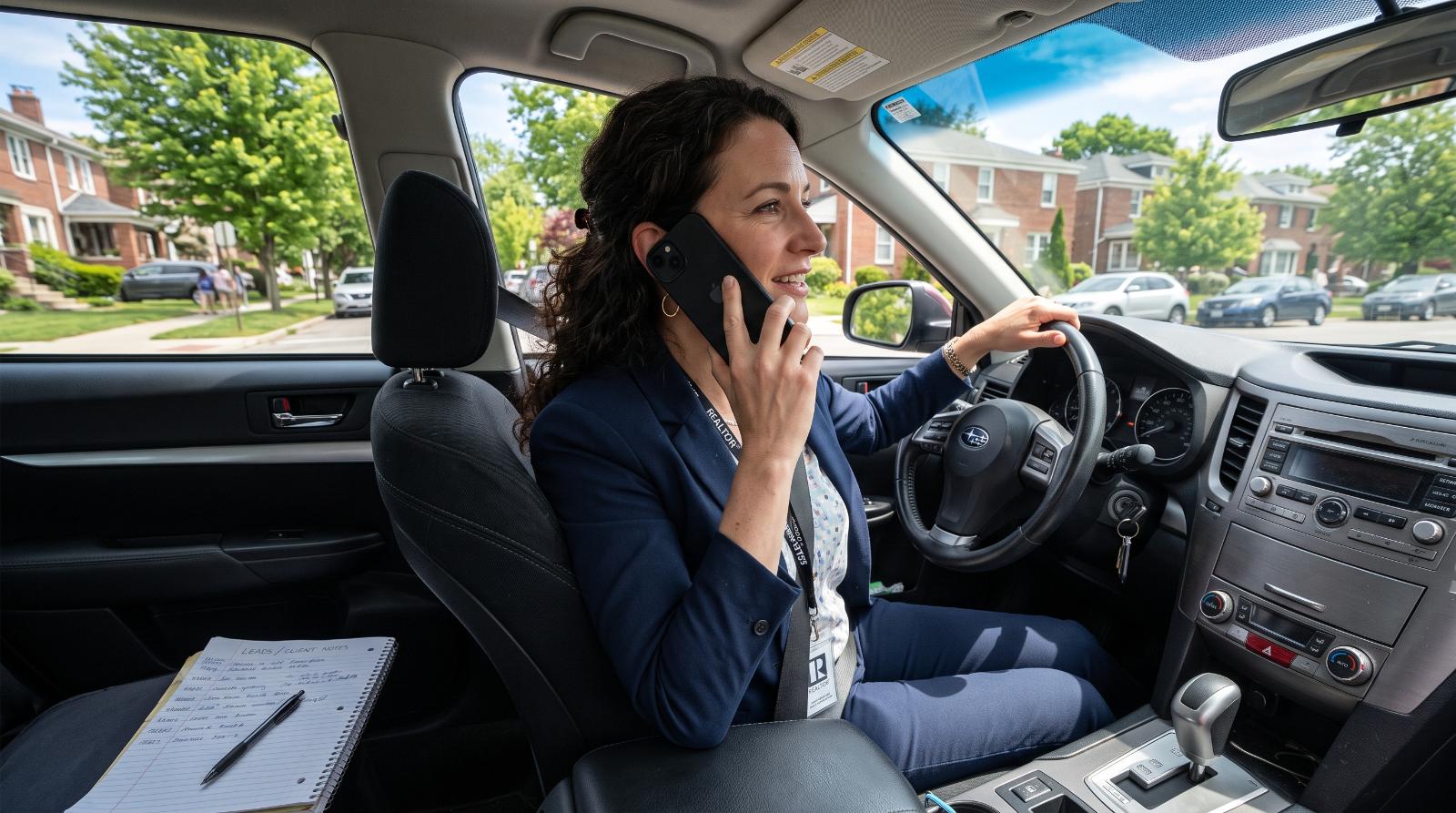
This is the gap that keeps showing up whenever software gets good at flagging problems in real estate. Detection and resolution are two different jobs, and most of the industry's automation investment has gone toward the first one, because it's the easier engineering problem.
What Still Needs a Human Making Judgment Calls
Some of the most time-consuming parts of a transaction aren't compliance checkboxes at all. They're judgment calls no checklist can make for you.
Deciding whether a repair request response from the other side is reasonable or a stalling tactic. Reading an HOA's slow document turnaround and knowing when to escalate versus wait another day. Catching that a buyer's tone in an email has shifted from cooperative to frustrated, and getting ahead of it before it becomes a bigger problem.
An appraiser walking a property and flagging a condition issue isn't something an audit tool anticipates either. Someone still has to be there, understand what it means for the file, and coordinate the next step with the lender and both agents.
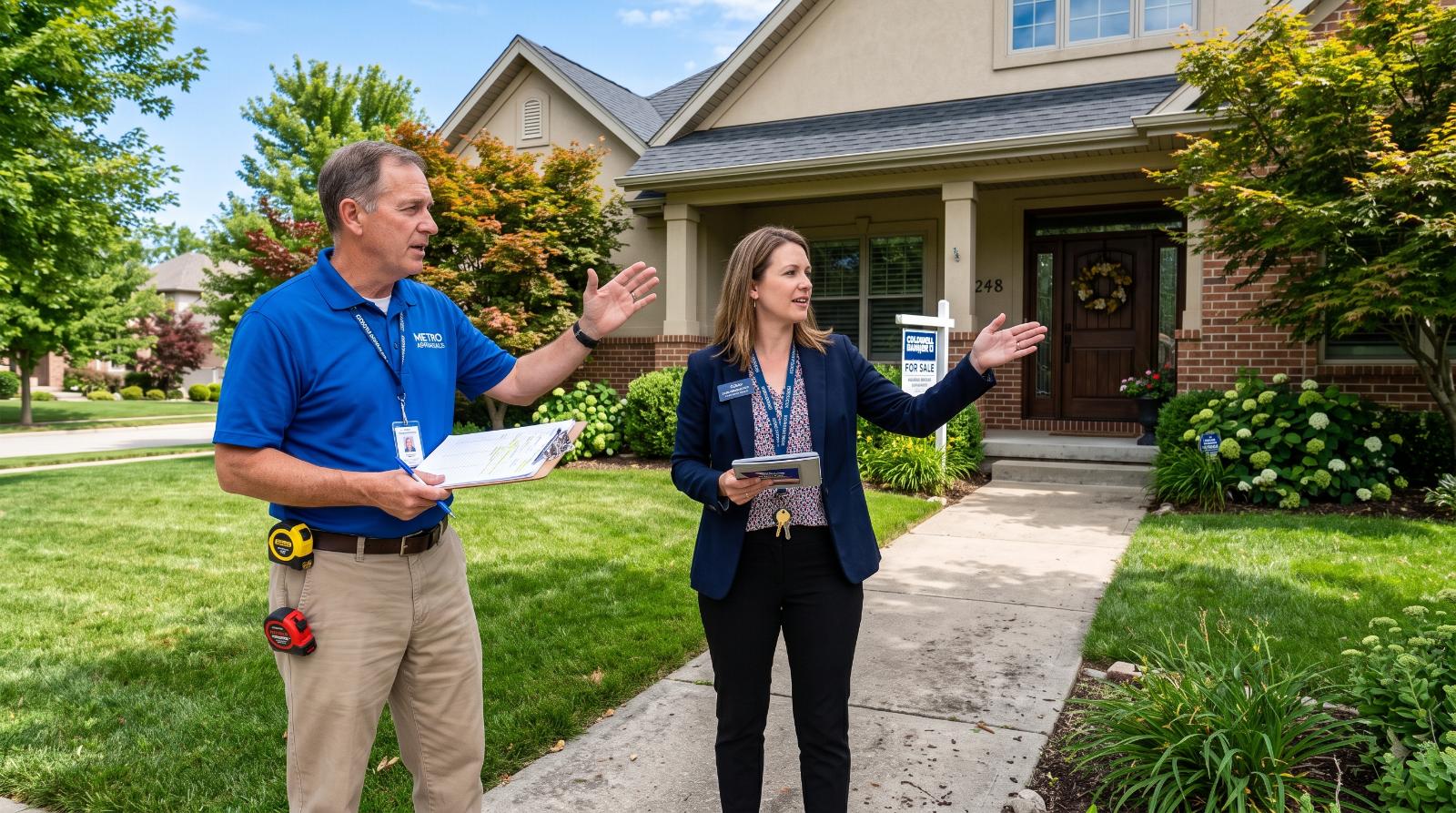
None of that shows up on a compliance checklist. It's the actual coordination work, and it's exactly what falls under what a transaction coordinator handles day to day, well beyond confirming a form got signed.
Where the AI Actually Helps a TC's Job
To be fair to the software, this isn't a case against using it. A good TC benefits enormously from automated compliance review, because it removes the tedious first pass.
Instead of manually checking every page of every file for a missing initial, a TC can start from a system that's already flagged the obvious gaps and spend their attention on the harder stuff, the phone calls, the negotiations, the situations that need actual judgment. Industry guidance on AI adoption generally lands in the same place: automation should remove repetitive work, not replace the person doing the thinking.
The honest read on adoption backs this up too. Plenty of brokerages have transaction software installed but barely use its automation beyond basic document storage, according to industry research on transaction platform usage. The tool being available isn't the same as the coordination work being handled.
The Compliance Officer's Version of This Problem
This isn't a new tension, either. The California DRE has always cared about outcomes, not just checkboxes. A file with every signature present but a repair negotiation that fell apart because nobody managed the back and forth is still a failed transaction, audit trail or not.
Broker compliance review exists to catch missing paperwork. It was never designed to manage the human side of a deal, and no AI layered on top of it changes that scope. If anything, automated compliance checks make the distinction clearer. Once the paperwork gap is solved, what's left is exactly the coordination work that was always the harder half of the job.
So, Does It Replace a TC?
No, and the honest answer isn't even close. What it does is change what a TC's day looks like.
Less time spent manually hunting for missing initials. More time spent on the actual coordination that keeps a deal moving, chasing signatures from people who don't respond to email, managing a seller who's getting anxious about a delayed repair, catching a discrepancy that isn't a form field at all but a mismatch between what two agents think was agreed to.
If your brokerage already runs SkySlope's automation and you're still fielding late-night texts about stalled files, that's not a sign the software failed. It's a sign the coordination work was never the part software could do. The costs of trying to handle that side alone tend to show up quietly, in deals that take longer to close than they should, not in a compliance report anywhere.
Next time a compliance tool flags something on one of your files, ask what happens next. If the answer is "someone has to actually deal with it," that's the job that hasn't gone anywhere.