
For Sale By Owner Transaction Coordination in California
Selling your own home in California means keeping the commission, but it does not mean the paperwork disappears. Every seller in the state, agent or no agent, is bound by the same disclosure laws, the same deadlines, and the same liability if something gets missed. If you are searching for a FSBO transaction coordinator in California, you are likely already sensing the gap between "I do not need a listing agent" and "I have no idea if I am filling this out correctly."

That gap is exactly where a transaction coordinator fits into a FSBO sale. This page walks through what California law actually requires of an owner-seller, what a TC can and cannot legally do for someone who is not represented by a broker, and how Relaxed Agent's compliance support works for sellers who want the paperwork handled correctly without giving up control of the sale.
FSBO Sales Are a Small and Shrinking Share of the Market, for a Reason
For sale by owner sales made up just 5% of home sales nationally in 2025, the lowest share the National Association of REALTORS has ever recorded, while a record 91% of sellers used an agent1. Sellers who go FSBO also tend to sell for less. NAR's most recent Profile of Home Buyers and Sellers put the median FSBO sale price meaningfully below the median agent-assisted sale, and much of that gap traces back to sellers who already knew their buyer, priced informally, or struggled with contract paperwork and required disclosures1.
None of that means FSBO cannot work. It means the sellers who do it successfully tend to be the ones who treat the compliance side of the transaction as seriously as an agent would, even though they are not paying for full representation. That is the specific need this page addresses: keeping the "by owner" part of FSBO while closing the compliance gap that causes most of the failed or costly FSBO sales.
What California Law Requires of Every Seller, With or Without an Agent
California does not relax its disclosure laws for owner-sellers. The two disclosures that cause the most trouble for FSBO sellers going it alone are the Transfer Disclosure Statement and the Seller Property Questionairre, and both apply whether or not a broker is involved.
The Transfer Disclosure Statement (TDS)
Under California Civil Code Section 1102 and its surrounding sections, sellers of residential property with one to four units must give buyers a completed TDS describing known material defects, and the duty applies regardless of whether the sale is conducted with or without a broker2. The form cannot be waived, even in an as-is sale, and a seller who willfully or negligently fails to deliver it is liable for the buyer's actual damages under Civil Code Section 1102.13, with fraudulent nondisclosure potentially exposing the seller to punitive damages under Civil Code Section 32942. Licensed brokers have limited statutory protection on this form under Civil Code Section 1102.4. Unrepresented sellers do not2..
What a Transaction Coordinator Can and Cannot Do for a FSBO Seller
This is the part most FSBO sellers do not find until they start asking around, and it matters for setting the right expectations. California Business and Professions Code Section 10131 defines a real estate broker as anyone who, for compensation, sells, negotiates, or solicits the purchase or sale of real property for another person4. Section 10133.2 carves out clerical exemptions for administrative tasks that do not involve negotiation or discretion over transaction terms5. The California Department of Real Estate has published detailed guidance drawing that same line for unlicensed assistants working in real estate6.
In practice, that means a transaction coordinator working with a FSBO seller can:
- Track disclosure deadlines and contingency dates so nothing lapses without notice
- Organize and compile the required disclosure package, including TDS, NHD, and supplemental forms
- Coordinate document flow between the seller, the buyer's agent, escrow, and title
- Maintain a compliance file for the transaction that can hold up if a dispute arises later
- Communicate scheduling and paperwork status on the seller's behalf
A transaction coordinator working with a FSBO seller cannot, regardless of what is agreed to in writing:
- Negotiate price, terms, or repair requests with the buyer or buyer's agent
- Give legal advice about disclosure obligations or contract language
- Represent the seller in the transaction the way a licensed agent would
- List the property on the MLS, which generally requires a broker relationship, either a traditional listing agent or a flat-fee MLS brokerage
That distinction is the entire value proposition of a FSBO-focused compliance service. It is not agent representation at a discount. It is administrative and compliance support for a seller who is intentionally handling pricing, marketing, and negotiation themselves, delivered by someone who understands California's disclosure law well enough to keep the paperwork from becoming a liability.
How Relaxed Agent Supports FSBO Sellers
Jessica Sheltren built Relaxed Agent's compliance process around 15 years managing compliance files at a major California brokerage, work that involved reviewing exactly the kind of disclosure packages that trip up unrepresented sellers. That background is on our Meet the Founders page if you want the full picture of who is behind the file review.
For a FSBO seller, that translates into a defined, flat-scope service: we build out your disclosure package using Disclosures.io, the same platform we use for our represented-agent clients, track every deadline tied to your accepted offer, and keep a running compliance file so you have a clear record of what was disclosed, delivered, and signed, and when. We coordinate with your escrow and title contacts on your behalf so you are not the single point of failure between four different parties trying to reach you at once.
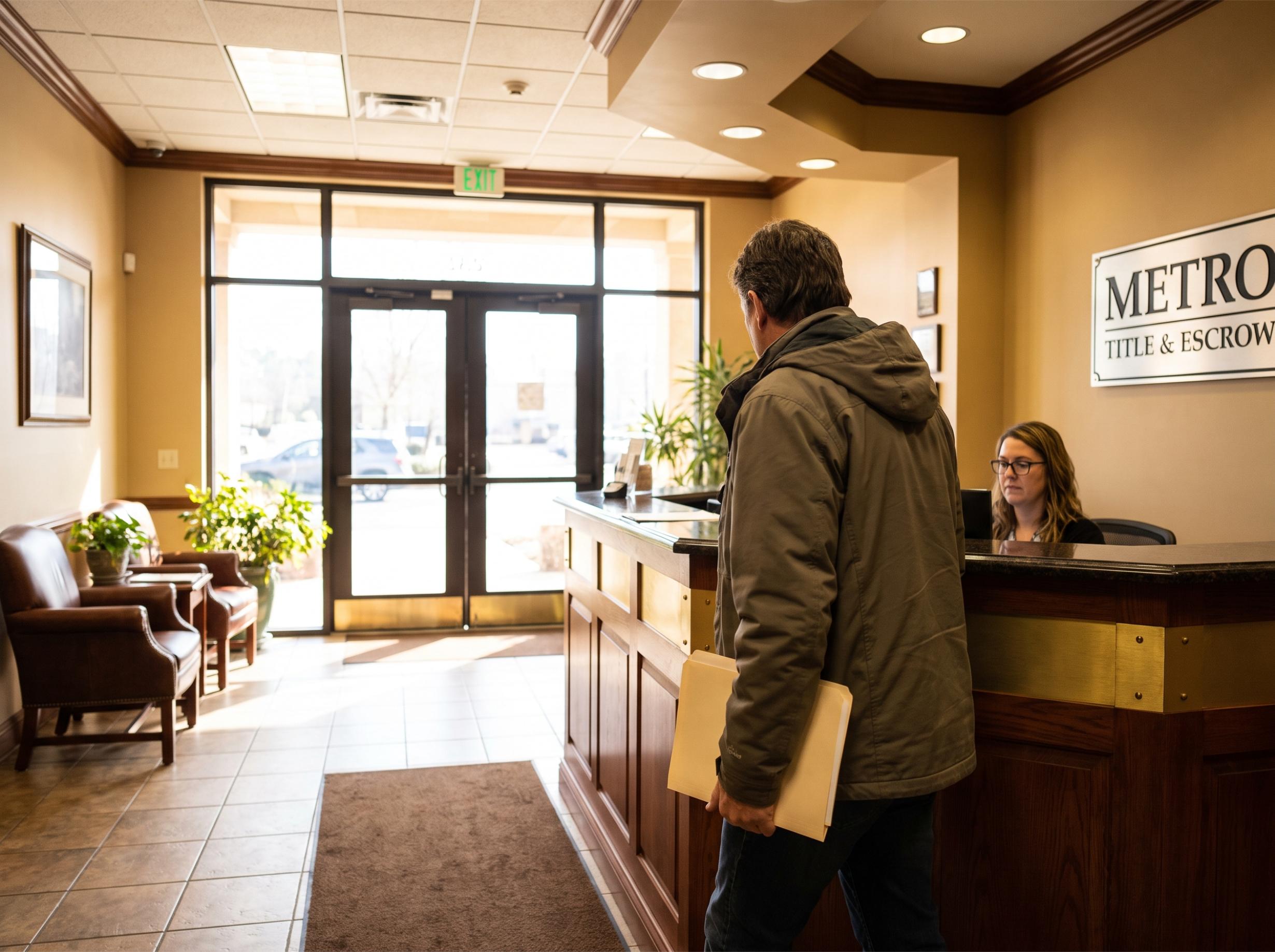
We are transparent that this is not a substitute for legal counsel. If a title issue, boundary dispute, or contract interpretation question comes up mid-transaction, we will tell you directly that it is outside our scope and point you toward a real estate attorney rather than guess at an answer. Our piece on the hidden costs of DIY transaction coordination goes into more detail on where sellers most often get into trouble trying to manage a full disclosure package alone, whether or not an agent is involved.
A Typical FSBO Scenario Where a TC Changes the Outcome
The following is an illustrative scenario built from common patterns in California FSBO transactions, not a specific client's transaction. Consider a seller in the Central Valley who accepts an offer directly from a buyer who found the listing on Zillow. The seller delivers a TDS but has not ordered an NHD report, assuming it only applies when an agent is involved. Three weeks into escrow, the buyer's lender flags the missing NHD during underwriting. The seller now has to order the report under time pressure, and because the report was not delivered before contingencies were originally set to be removed, the buyer's five-day rescission window under Civil Code Section 1102 reopens, pushing the closing date back and creating friction that a properly sequenced disclosure timeline would have avoided entirely.
A transaction coordinator working the file from day one would have flagged the NHD requirement at the start of escrow, ordered it alongside the TDS, and built the delivery into the same timeline as every other contingency, avoiding the delay altogether. That is the practical difference a compliance-focused TC makes on a FSBO file: not negotiating a better price, but keeping the transaction from stalling on something that was entirely preventable.
Weighing the Cost: FSBO Alone, FSBO with a TC, or a Full-Service Agent
A full-service listing agent in California typically charges a percentage-based commission that covers marketing, pricing strategy, negotiation, and transaction management together. A FSBO seller who skips representation entirely keeps that commission but takes on pricing, marketing, showings, negotiation, and full disclosure compliance personally. A FSBO seller who adds a transaction coordinator keeps control of pricing, marketing, and negotiation, and pays a flat fee, generally a small fraction of a full commission, specifically for the compliance and coordination piece.
Whether that middle option makes sense depends on how confident you are handling negotiation yourself and how much the disclosure requirements above concern you. If you already have a buyer, a straightforward property, and comfort with the negotiation side, a TC-supported FSBO sale can be the most cost-efficient path available. If you are unsure about pricing strategy or expect a competitive negotiation, that is a different conversation, and it is worth being honest with yourself about which category you fall into before committing to either path. See our pricing page for current flat-fee structures.
Getting Started
If you have already accepted an offer or are actively marketing your home, the sooner a compliance file gets opened the more deadlines it can catch before they become problems. Reach out through our contact page with where you are in the process, whether you have an accepted offer yet, and your target closing timeline, and we will lay out exactly what your disclosure package needs before you go any further.
Frequently Asked Questions About FSBO Transaction Coordination in California
Can a transaction coordinator help me sell my house without an agent in California?
Yes. A California transaction coordinator can legally handle clerical and administrative tasks for a FSBO seller, including disclosure preparation, deadline tracking, and document coordination with escrow and title, as long as the work stays within the clerical exemptions defined in Business and Professions Code Section 10133.2 and does not cross into negotiation or representation5.
Do I still need a Transfer Disclosure Statement if I sell my home myself?
Yes. The TDS requirement under Civil Code Section 1102 applies to the seller of a one-to-four unit residential property regardless of whether a broker is involved in the transaction2. Selling without an agent does not exempt you from this disclosure.
What is the difference between a transaction coordinator and a real estate agent for a FSBO sale?
A real estate agent is licensed to negotiate on your behalf, advise on pricing and strategy, and represent your interests in the transaction. A transaction coordinator, licensed or unlicensed, is limited to administrative and compliance support and cannot negotiate terms or give legal advice, per the scope defined under California Business and Professions Code Section 101314.
Can an unlicensed transaction coordinator negotiate on my behalf?
No. Negotiating the purchase, sale, or terms of real property for another person for compensation is an activity that requires a real estate broker license under Section 10131, and an unlicensed transaction coordinator who negotiates on a seller's behalf is operating outside the clerical exemption and outside the law46.
Can a transaction coordinator list my home on the MLS?
Generally, no. MLS access requires an active broker relationship, either through a traditional listing agent or a flat-fee MLS brokerage. A compliance-focused transaction coordinator supports the paperwork and deadlines around your sale but does not place your listing on the MLS unless that service is separately arranged through a licensed broker.
What happens if I miss a required disclosure as a FSBO seller in California?
Under Civil Code Section 1102.13, a seller who willfully or negligently fails to deliver a required disclosure is liable for the buyer's actual damages, and fraudulent nondisclosure can expose a seller to punitive damages under Civil Code Section 32942. Unlike a licensed broker, an unrepresented seller does not have the limited statutory protection available under Civil Code Section 1102.42.
How much does FSBO transaction coordination cost in California?
Flat-fee TC support for a FSBO transaction is typically a small fraction of what a full-service listing commission would cost, since it covers compliance and coordination rather than marketing, pricing strategy, or negotiation.

