The Fear That's Making Agents Bad at Open Houses
Ask around and you'll hear it constantly. Agents standing at their own open house, half convinced that talking too much to a visitor is a legal risk now.
That fear has a source. Since the NAR settlement changes took effect in 2024, agents working with buyers need a signed representation agreement before showing property. California layered its own version on top with AB 2992. The rules are real. But somewhere along the way, a lot of agents started treating every open house conversation as a legal minefield, and it's costing them leads for no reason.
The DRE just finalized the regulations that actually answer this question, and the answer is more agent-friendly than most people assume.
What DRE Actually Just Clarified
The California Department of Real Estate's finalized regulations implementing AB 2992 are now part of the state's official Real Estate Law, codified under Title 10 of the California Code of Regulations. Before this, the statute itself just said a buyer-broker agreement has to be signed "as soon as practicable." Nobody had a precise definition of practicable, which is exactly the kind of ambiguity that makes agents overcorrect out of caution.
The finalized rule text, pulled directly from DRE's own rulemaking file, spells it out plainly. There's a rebuttable presumption that it's practicable to get a signed agreement before a buyer's agent shows a buyer a property, in person or virtually. Showing is the trigger. Not conversation. Not a business card exchange. Showing.

Why Hosting an Open House Never Starts the Clock
Here's the part that should ease a lot of unnecessary anxiety. The regulation text is explicit: a seller's agent acting solely on behalf of the seller is not acting as a buyer's agent by showing a property to potential buyers, whether at an open house or any other showing.
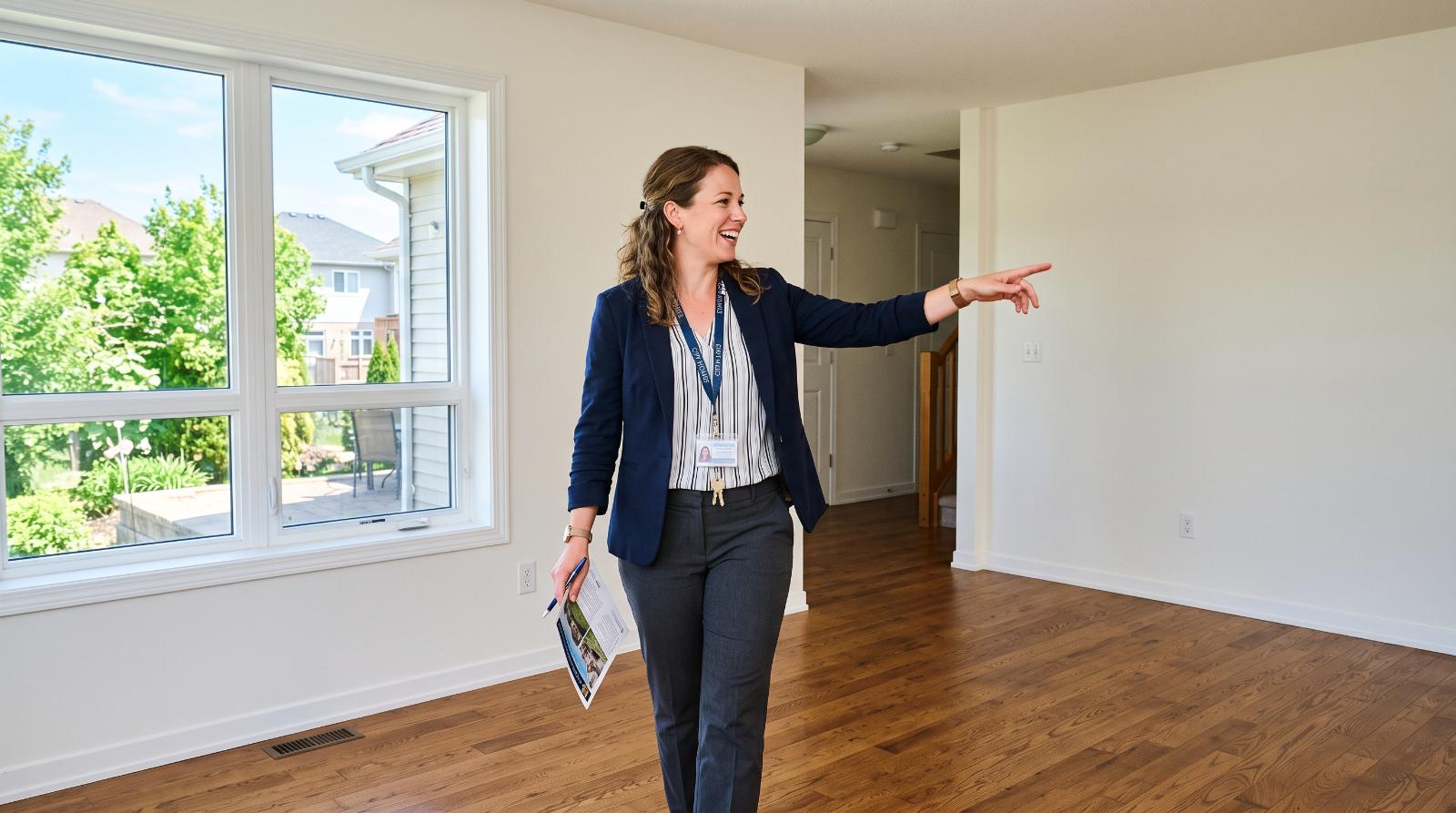
Read that again, because it settles a question a lot of agents have been guessing at. Hosting your own listing's open house, walking visitors through the rooms, answering questions, pointing out the new roof, none of that flips you into buyer's agent territory. You're doing exactly what you're supposed to be doing as the seller's representative. No signature required from anyone who wanders through.
The buyer representation agreement itself makes the same distinction in plain terms: if you're hosting an open house as the listing agent and a buyer wanders in, that's different from accompanying a buyer you already represent to a showing.
The Trigger Isn't Conversation, It's Acting as Their Agent
Where agents actually get into trouble isn't small talk. It's the moment a conversation quietly becomes representation.
Telling a visitor the square footage or when the roof was replaced is hosting. Walking them through comparable sales down the street, coaching them on what to offer, or agreeing to personally show them three more houses this weekend is representation, whether or not anyone called it that out loud. The regulation defines a "showing" broadly enough to include virtual walkthroughs too, so the line isn't about being in a physical room together. It's about acting on someone's behalf.
This is the same instinct behind the more common BRBC mistakes that show up in DRE audit letters, leaving compensation vague or forgetting to upgrade from a single-showing form to the full agreement once a relationship becomes ongoing. The pattern is the same: paperwork lagging behind what's actually happening in the relationship.
Where Agents Actually Get This Wrong
Two failure modes show up constantly, and they're opposite problems.
The first is overcorrecting. An agent gets nervous, treats every open house visitor like a legal liability, and either stops having real conversations or starts asking people to sign something just to walk through. That kills lead capture for no legal reason. A curious neighbor or an early stage buyer doesn't need a signature to talk to you about the neighborhood.
The second is under-correcting. An agent gets comfortable, starts giving a specific visitor real negotiating advice, offers to personally show them other listings, and effectively starts representing them without ever mentioning a BRBC. That's the version that actually creates DRE exposure, regardless of how the conversation felt in the moment.
How to Actually Work the Room
Practically, this means you can do a lot more at an open house than the anxious version of this rule suggests.
Collect names, numbers, and one real qualifying detail from every visitor, the same way outlined in a solid open house follow-up system. Answer honest questions about the property and the neighborhood. Share your general read on the market. None of that requires paperwork, because none of it is representation.
What changes the equation is the moment you agree to actually work for someone specifically, showing them other properties, writing an offer strategy, negotiating on their behalf. That's when the BRBC conversation needs to happen, and per the DRE's own timing rule, it needs to happen before you show them anything, not after.
When to Bring Out the BRBC
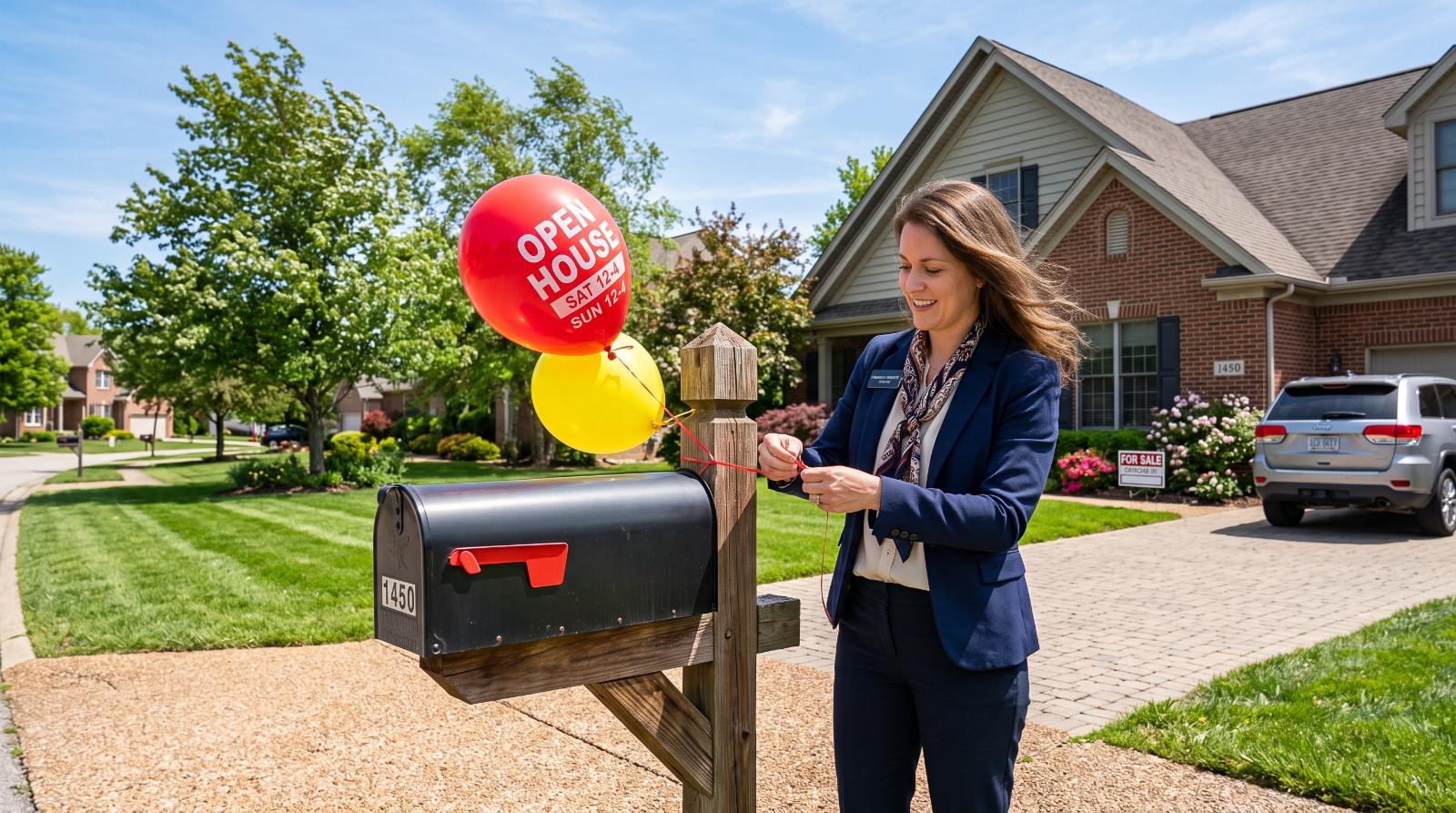
If an open house visitor asks you to show them a different property this weekend, that's your cue. Not a suspicious one, just the normal, expected moment representation actually begins.
Have the conversation about compensation and scope before that first showing, not during it and definitely not after. It's a five minute conversation, and the C.A.R. forms library keeps the current version of the agreement updated to reflect what the actual statute requires. Also confirm the agency relationship gets properly disclosed on the agency disclosure form at the same stage, since the two documents are meant to travel together.
None of this should make an open house feel like a legal obstacle course. It's the opposite. Knowing exactly where the line sits means you can actually talk to people, gather real information, and build a pipeline without either scaring leads away or accidentally representing someone you never formally agreed to help.
Next open house you host, count how many good conversations you had that never needed a signature. That number is probably higher than the anxious version of this rule had you believing.