Transfer Disclosure Statement
The Transfer Disclosure Statement is one of the most important forms in a California residential transaction, and also one of the most mishandled. Sellers rush through it. Agents skip their own section. Buyers sign it without reading it. Then something goes wrong after closing and everyone scrambles to figure out who knew what and when. The TDS exists specifically to prevent that scramble, and California law takes it seriously. If you're representing a seller or a buyer, you need to understand exactly what this form does and how to handle it correctly.
Why This Document Matters
California Civil Code Section 1102 requires sellers of residential property to deliver a completed Transfer Disclosure Statement to buyers before transfer of title. This isn't optional, and it isn't something you can skip even if both parties agree they'd rather not bother. The law mandates it for most residential sales of one-to-four unit properties, and the consequences of getting it wrong range from buyer rescission to litigation.
The TDS gives buyers a structured, documented account of what the seller knows about the property's condition. Known defects, past repairs, unpermitted work, neighborhood nuisances, shared driveways, anything material to the property goes here. It also requires the listing agent to conduct a visual inspection and disclose what they observed independently. That's a separate obligation from the seller's. Real talk: agents sometimes treat Section II as a formality. It isn't.
For agents specifically, the TDS is also a professional liability document. A properly completed TDS protects you. A sloppy one can come back to bite you years after closing.
How It Works
The TDS is a three-part form. The seller completes their section first, disclosing known conditions. Then the listing agent completes their own independent disclosure based on a visual inspection of the property. If there's a buyer's agent, they complete a third section based on their own visual inspection.
The form must be delivered to the buyer as soon as practicable before transfer of title. In practice, this typically means delivering it during the inspection period, ideally with the initial disclosure package. Timing matters because late delivery has real consequences. If the TDS is delivered after the buyer has already made their offer and removed contingencies, you may have a problem.
Once the buyer receives the TDS, they have the right to rescind the offer within three days if the form was delivered in person, or five days if it was delivered by mail. This rescission right exists regardless of what stage the transaction is in, so late delivery doesn't just create an awkward conversation, it can unravel a deal that otherwise seemed solid.
Delivery needs to be documented. The buyer signs an acknowledgment of receipt, and that signed copy goes into the file.
Key Sections Explained
Section I: Seller's Disclosure
This is the heart of the form. The seller answers a long checklist covering structural components, appliances, systems, and known defects. Categories include the roof, foundation, plumbing, electrical, HVAC, drainage, and more. Sellers also disclose things like pending legal actions, HOA issues, encroachments, easements, and neighborhood conditions that could affect the property's value or desirability.
A common trip-up here is the difference between "yes," "no," and "unknown." Sellers sometimes leave items blank, which is not the same as marking something N/A or unknown. Blank fields create ambiguity and can suggest concealment even when none was intended. Every item should have a response.
Section II: Listing Agent's Disclosure
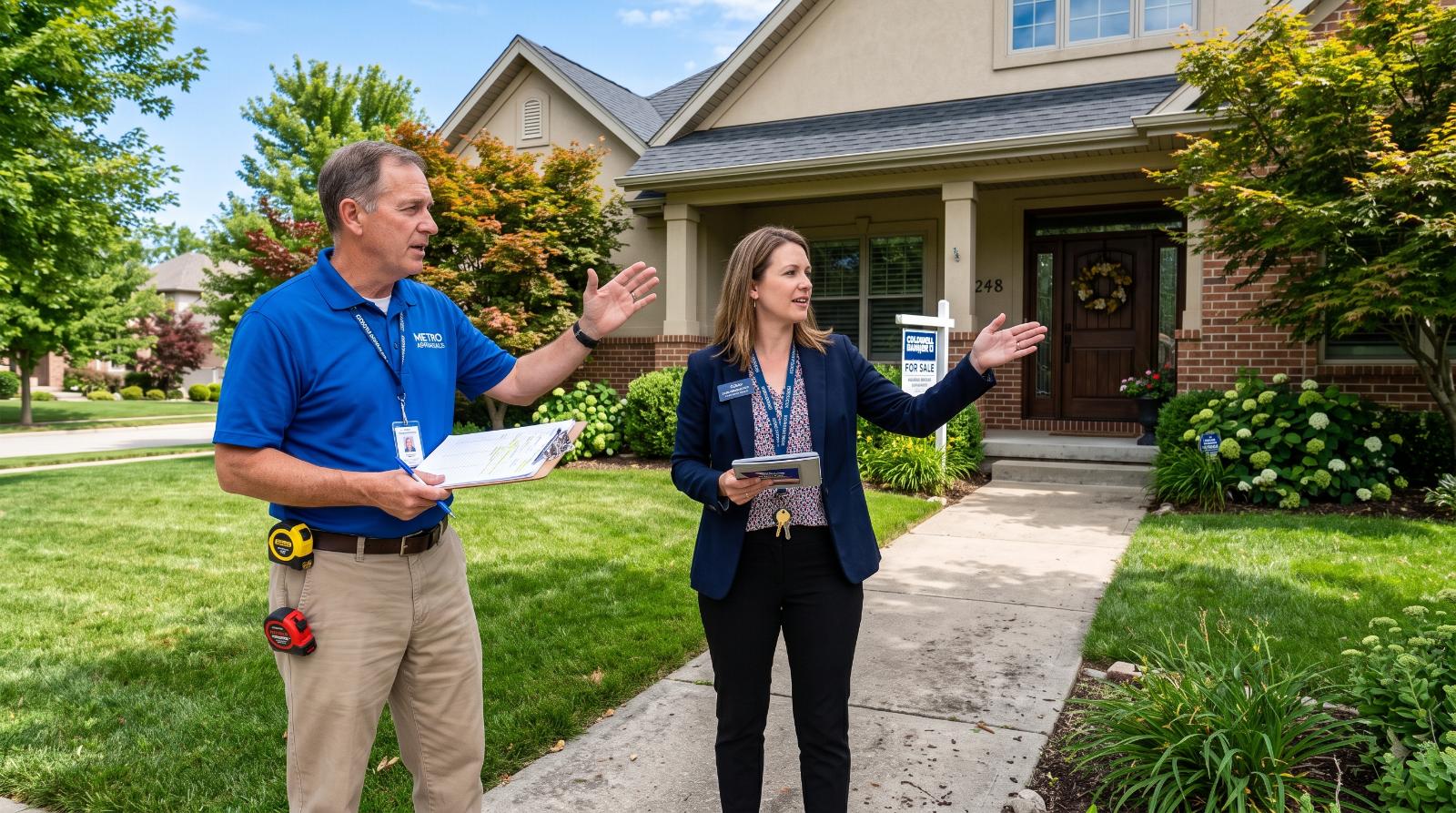
This is where the listing agent documents their own visual inspection of the property. The agent's observations are independent from the seller's statements. If the seller says the roof has no known issues and you personally observed water stains on the ceiling, you disclose the water stains. Full stop.
Some agents complete this section by essentially restating what the seller already said. That's not what Section II is for. Your visual inspection should reflect what you actually saw, and your disclosures should stand on their own.
Section III: Buyer's Agent Disclosure
If you're representing the buyer, this section is yours to complete based on your own visual inspection. Same standard applies. You're documenting what you observed, not what the seller or listing agent told you.
Structural Components and Appliances
The form includes a checklist of major structural components and appliances included with the property. Sellers indicate the condition and whether any items are not in working order. This section feeds directly into disclosure coordination because discrepancies between this checklist and the inspection report often require follow-up documentation.
Environmental Hazards
The TDS references environmental hazards but doesn't replace dedicated hazard disclosure forms. The Natural Hazard Disclosure and other supplemental forms cover those areas in more detail. The TDS flags whether the seller is aware of any such hazards and points toward those other required disclosures.
Common Mistakes to Avoid
Leaving fields blank is the most common seller mistake. Every single item on the TDS should have a response, even if that response is "unknown" or "N/A." Blank fields create gaps that lawyers love.
Agents skipping Section II is right behind it. Whether you're the listing agent or the buyer's agent, you have your own independent inspection obligation. Skipping it or filling it in based on the seller's responses doesn't fulfill your duty and doesn't protect you.
Late delivery is a significant risk. If the TDS reaches the buyer after the offer has been accepted and contingencies have been removed, you've handed them an automatic rescission right with no strings attached. Deadline management is part of why TC support exists. This is exactly the kind of thing that falls through the cracks when agents are juggling multiple transactions.
Not getting a signed receipt acknowledgment is another gap. The TDS isn't just about the content, it's about documented delivery. A signed acknowledgment from the buyer is required, and it needs to be in the file.
Finally, treating the TDS as a check-the-box exercise misses the point. If a seller discloses something significant, that disclosure often needs to be paired with supporting documentation, repair invoices, permits, inspection reports. The TDS opens the door to a conversation; it doesn't close it.
Pro Tips from a TC
Deliver the TDS with the initial disclosure package before the property goes into contract if possible. Getting disclosures out early gives buyers time to review without triggering a post-acceptance rescission window.
When you're reviewing a seller's completed TDS, read it like a buyer would. Does anything raise a question that needs to be answered with additional documentation? A seller who mentions a roof repair should probably have a receipt or contractor invoice to back it up.
For the listing agent, Section II isn't just a formality. Document your visual inspection in writing before you complete the form. What did you see? What did you notice? What did the seller show you? Your notes become your protection if something comes up later. The AVID form works hand-in-hand with your Section II observations, so don't ignore that one either.
If anything changes about the property's condition after the TDS has been delivered but before close, an amended TDS may be required. Don't assume the original form covers subsequent events.
Work with your TC to track delivery dates and signature confirmations. Gaps in the paper trail are where liability lives.
Related Documents
The TDS rarely travels alone. These forms are typically delivered alongside it or in direct response to items it raises:
- Natural Hazard Disclosure (NHD) addresses flood zones, fire hazards, seismic risks, and other geographic hazards
- Agent Visual Inspection Disclosure (AVID) expands on what agents document from their own inspection
- Seller Property Questionnaire (SPQ) supplements the TDS with more detailed seller disclosures
- Supplemental Statutory and Contractual Disclosures (SSD) covers additional topics not addressed in the standard TDS
You can browse all California disclosure forms in the Relaxed Agent documents library.
For official statutory language, the California DRE publishes guidance on disclosure requirements, and CAR provides member resources on the current version of the TDS form.
Frequently Asked Questions
Q: Does the TDS apply to all residential property sales in California?
California Civil Code Section 1102 covers most residential property transfers involving one to four units. There are specific exemptions, including transfers between co-owners, transfers resulting from a court order, and some foreclosure situations. However, if you're representing a seller in a standard residential sale, assume the TDS is required unless you've confirmed with a real estate attorney that an exemption applies. The list of exemptions is narrow, and the default answer is yes, the TDS is required.
Q: What happens if a seller doesn't know the answer to something on the TDS?
Sellers are required to disclose what they know. "Unknown" is a legitimate answer and is far better than leaving a field blank. Sellers aren't expected to know things they have no reason to know, but they can't claim ignorance about conditions they've observed or been told about. If a seller has any doubt, encourage them to err toward disclosure. The legal risk of over-disclosing is minimal compared to the risk of under-disclosing.
Q: Can a buyer waive the TDS?
No. The TDS cannot be waived by contract, and any agreement between buyer and seller to skip it is unenforceable under California law. Some agents try to speed transactions along by treating disclosures as optional in competitive markets. That approach creates real liability exposure, especially given that California escrow timelines are already under pressure. The form is required. Deliver it early, document receipt, and keep it in your file.
The TDS is one of those forms where doing it right takes a little extra attention upfront but saves a lot of headaches later. If you're managing multiple listings or working through high-volume periods, having a system for disclosure preparation and delivery tracking makes a real difference. That's exactly where a virtual transaction coordinator can help, making sure disclosures go out on time, receipts get collected, and nothing falls through the cracks before close.
Learn About Other Documents
Contingency Removal
A form used by buyers to remove contingencies (inspection, appraisal, loan) from the purchase agreement, signaling increased commitment to complete the transaction.
Market Conditions Advisory
An advisory form that educates sellers about current market conditions, pricing strategies, and factors that may affect the sale of their property.
Buyer Representation Agreement
A contract establishing the agency relationship between a buyer and their agent, including compensation terms, duties, and the scope of representation.