
The $7K Number Zillow Loves to Quote
Every Showcase pitch deck has the same headline stat. Homes marketed with Zillow Showcase sell for about 2 percent more than comparable listings, which Zillow rounds to a tidy $7,000. It's a good number. It fits on a slide. It sounds like real money to a seller who's never thought about the difference between a regular listing and a premium one.
It's also built on the national median home price, which sits somewhere around $410,000. Nobody selling a house in San Diego, Sacramento, or the East Bay is selling at the national median. California's statewide median home price closed May 2026 at a record $930,260, according to the California Association of Realtors, and C.A.R.'s full-year forecast puts the annual median at $905,000. Run that same 2 percent through a $905,000 listing and you land closer to $18,100. That's not a rounding difference. That's a different conversation with a seller.
This isn't a knock on Zillow's math. It's just marketing built for a national audience, and California agents keep repeating the national number in listing presentations without doing the fifteen seconds of arithmetic that would make the pitch land harder.
What Showcase Actually Is, and Isn't
Showcase is Zillow's premium listing product, sold through the ShowingTime+ brand, and it's not the same thing as buying ad placement or paying for Premier Agent leads. It's a listing upgrade. A Showcase listing gets an interactive floor plan, a virtual walkthrough, larger and more prominent photos on Zillow's search results, and agent branding that a standard listing doesn't get.
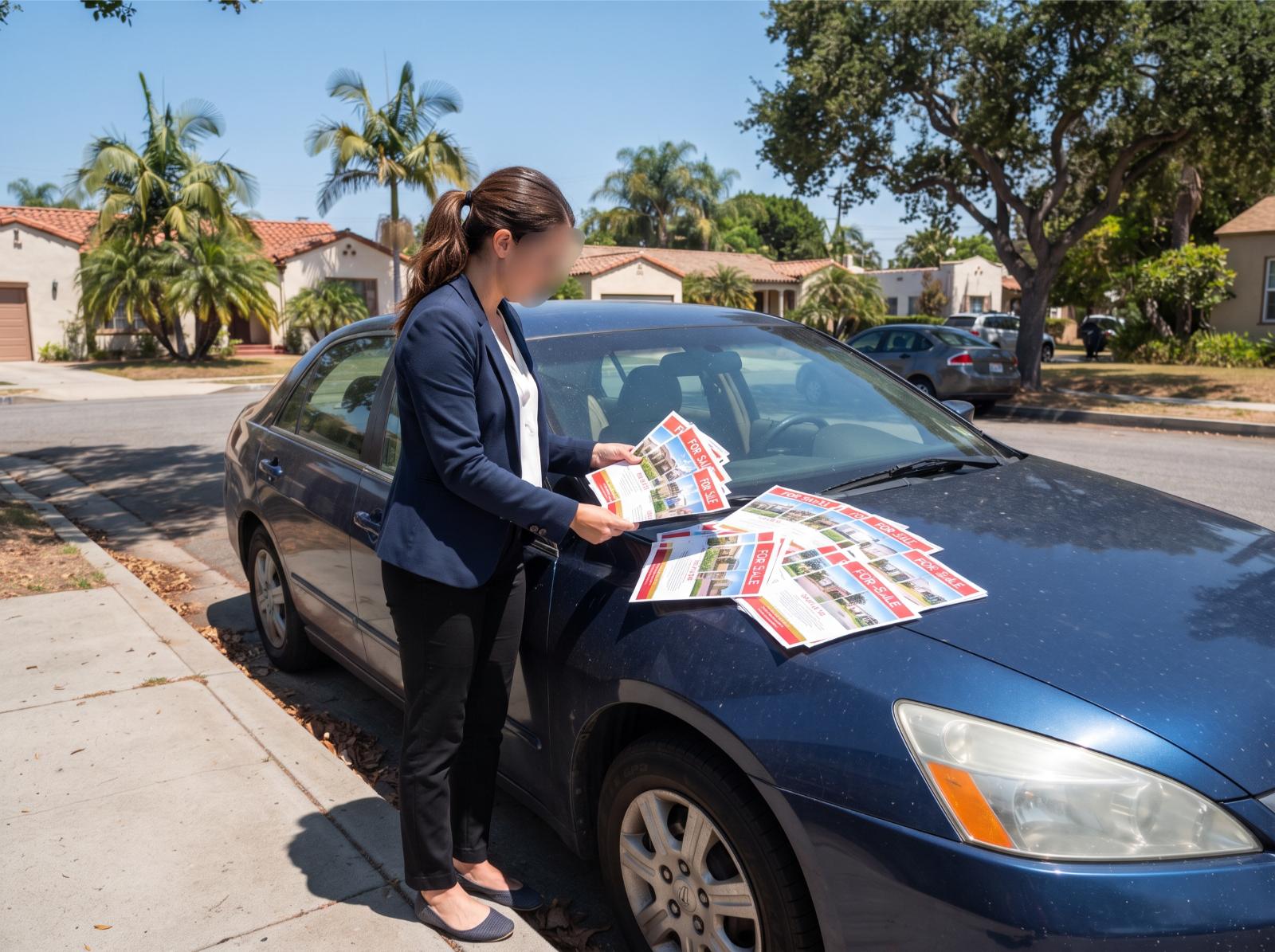
The pitch to a seller isn't really about buyers finding the home. It's about the listing looking different from the other twelve houses in the same zip code on the same Saturday scroll. That differentiation is the actual product. Whether it's worth paying for depends on whether your listing description and photography were already carrying that weight, or whether the listing was blending in.
The Data Behind the Pitch
Zillow's own numbers, current through its June 2026 performance update, claim Showcase listings get 79 to 81 percent more page views, 76 to 80 percent more saves, and 90 percent more shares than similar non-Showcase listings nearby. Agents who put Showcase on more than half their listings are reportedly winning 30 to 35 percent more listings than agents who don't, according to figures on Zillow's own Showcase page.
Vendor numbers are vendor numbers, and Zillow has every reason to make its own product look good. What makes this one worth taking seriously is that it's shown up in independent coverage too, not just Zillow's marketing pages. HousingWire reported that Showcase adoption more than doubled year over year, from 1.7 percent of new listings in Q4 2024 to 3.7 percent in Q4 2025, pulled straight from Zillow's own shareholder letter rather than a press release written to sell agents on the product. That's a real adoption curve, not a talking point.
Inman's coverage of Showcase's analytics rollout has been similarly measured, agents quoted in that reporting describe it as a genuine differentiator in competitive seller's markets rather than a gimmick, which lines up with how the product is actually used here. A California agent quoted in earlier Inman reporting put it plainly: in a seller's market where three or four agents are all pitching the same listing, being the one who can say your marketing puts the property at the top of local search results changes the conversation in the living room.
Redoing the Math at California Prices
Here's the version of the pitch that actually holds up in a California listing presentation.
Take a $905,000 listing, roughly the statewide median C.A.R. is projecting for the year. A 2 percent sale price lift is $18,100. Compare that to Zillow's $7K talking point and the case gets a lot easier to make, because you're not asking a seller to believe in an abstract national average. You're doing the math on their actual house.
Coastal and metro markets push the number even higher. San Francisco's county median sits well north of $1.5 million in recent C.A.R. county data, and 2 percent of that is over $30,000. An Orange County or San Diego listing in the $1 million to $1.4 million range lands the same math somewhere between $20,000 and $28,000. None of that is Zillow's marketing copy. It's just the same percentage applied to real California numbers instead of a national blend that includes markets where the median home costs a third of what it does here.
This is the version worth putting in front of a seller who's already skeptical of upsells. Not "Zillow says it adds value," but "here's what 2 percent looks like on your specific price point, and here's what it would cost to try it."
What It Actually Costs You
Showcase is sold two ways as of 2026. There's a monthly subscription that includes one Showcase listing at a time, and a pay-at-closing option where the agent covers a small amount upfront and the rest comes out of the transaction at close. Additional listings run on a sliding scale tied to the home's price. Current pricing lives on Zillow's own Showcase page, and it's worth checking directly before quoting a seller, because Zillow adjusts pricing tiers periodically and a number pulled from a blog post six months old is not a number to build a listing presentation on.
The pay-at-closing structure matters more than it sounds like it should. It means the cost only shows up if the home sells, which is an easier sentence to say to a seller than "pay us now for something that might help."
Where the Case Gets Weaker
None of this means Showcase is automatically worth it on every listing. A few honest caveats.
The uplift data compares Showcase listings to non-Showcase listings, not to listings with strong professional photography and a well-written description to begin with. If your baseline marketing is already solid, the marginal lift from Showcase specifically is a harder number to isolate. Zillow's own comparisons control for home type, price, square footage, and location, which is more rigorous than most vendor claims, but it's still comparing against an average, not against your best work.
It also works best where buyer traffic on Zillow specifically is heavy, which is most of urban and suburban California, less so in rural markets where local MLS syndication and word of mouth carry more weight than any single portal. And it's a Zillow product. If a listing's strategy leans toward staying off major portals for a period, or a seller has concerns about how off-market marketing choices affect syndication, Showcase isn't the right tool for that conversation.
The honest version of this post isn't "install this and win more listings." It's "here's a real number, run it against your actual market, and decide if the math works for the sellers you're pitching this quarter."

The Verdict for Your Next Listing Presentation
Bring the comparative market analysis you'd already be building for the listing appointment, and add one more line to it. Take the home's likely list price, run the 2 percent, and put the dollar figure next to Zillow's national number so the seller sees both. Sellers respond to specifics, not averages, and "here's what this means for your $1.1 million house" beats "Zillow says 2 percent" every time.
If the seller signs on, that's also the moment to have the residential listing agreement and marketing plan lined up so the conversation moves straight from pitch to paperwork instead of losing momentum. And if listing marketing tools are becoming a bigger part of how you win business, it's worth comparing Showcase against the broader field of AI-powered CMA and listing tools agents are testing this year, since the strongest listing presentations in 2026 are usually stacking two or three of these tools, not betting everything on one.
Winning the listing is still the whole game. The highest-converting leads rarely come from a flashier portal listing anyway, they come from the pitch that shows a seller you already understand their specific number. Showcase is one more way to make that pitch concrete instead of theoretical, provided you're doing the math on their house and not Zillow's average one.
If your listing management is already stretched thin trying to test new marketing tools on top of MLS entry, disclosures, and deadline tracking, that's a workload problem worth solving separately from the marketing question. Check current pricing if that's the bottleneck, since the two problems don't have to compete for your time.


