Buyer's Final Walk-Through Verification
The final walk-through is the buyer's last look before the keys change hands, and the Buyer's Final Walk-Through Verification (BFTV) is how that moment gets documented. It's a short form, but it closes a real gap. Without it, there's no written record that the buyer actually confirmed the property's condition before funds were released, and that gap becomes a problem the moment something looks different on move-in day than it did during the walk-through.
Why This Document Matters
Real talk: the final walk-through isn't a formality buyers do out of habit. It's their last contractual opportunity to confirm the property is in the condition the purchase agreement calls for, that agreed repairs were completed, and that included fixtures and personal property are still there. The BFTV is what turns that walk-through from a casual stroll through the house into something documented.
This matters for both sides. For the buyer, it's their record that they inspected before closing and either confirmed everything was in order or flagged a problem while there was still time to address it. For the seller, a signed BFTV without objections is real protection against a buyer trying to raise a condition complaint after they already have the keys. Transaction compliance at the closing stage depends on this kind of paper trail existing before funds disburse.
How It Works
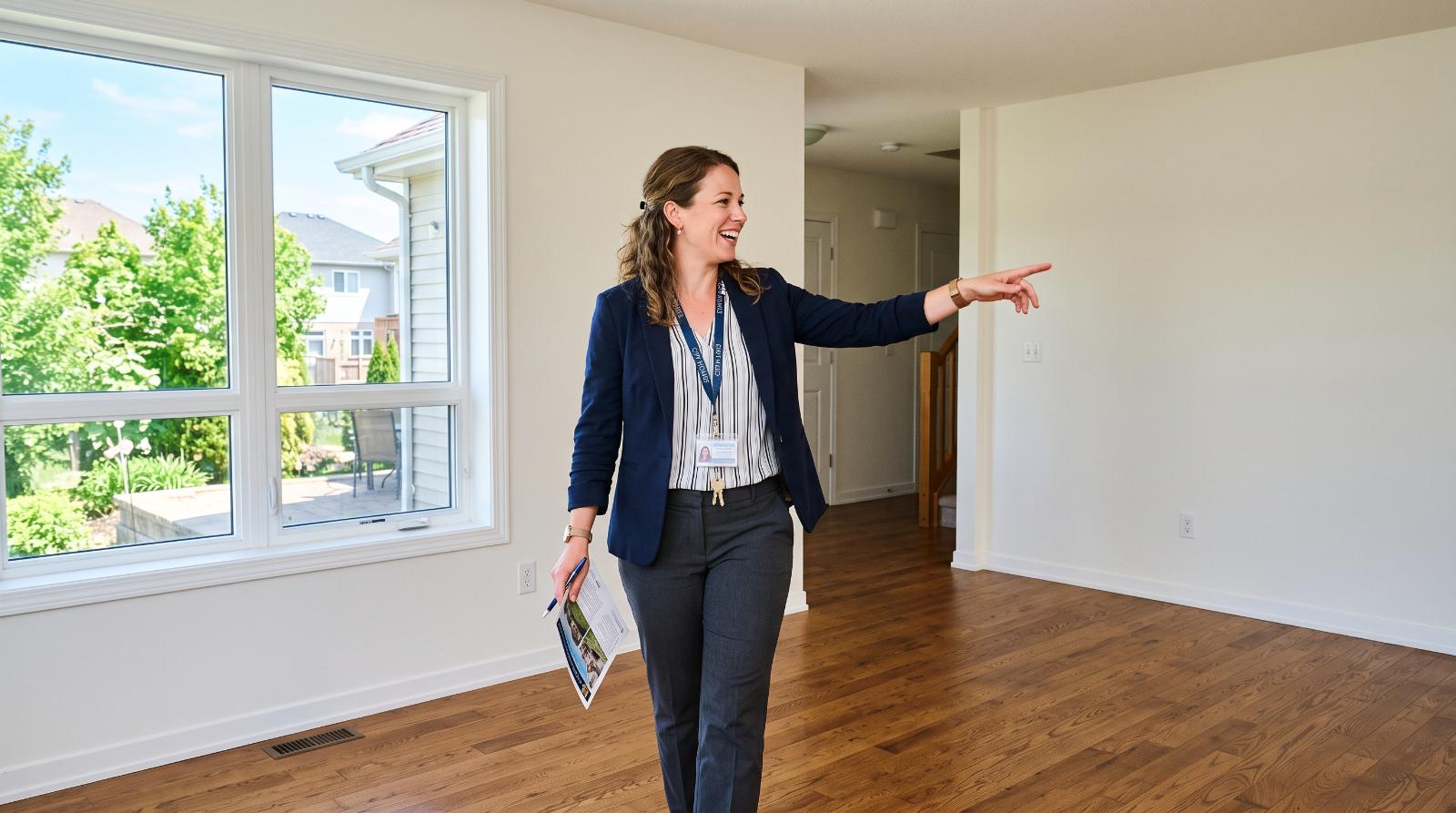
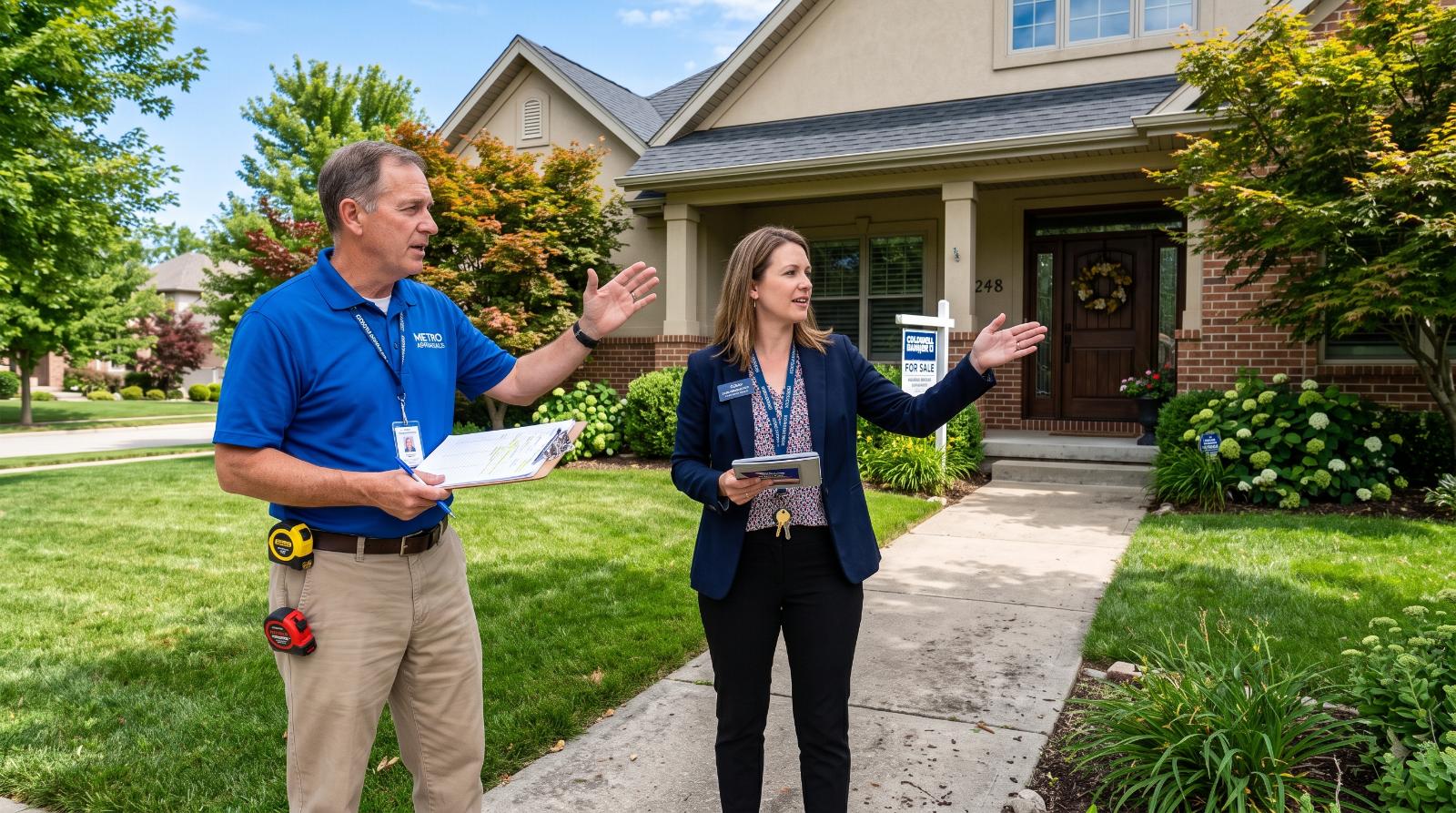
The final walk-through typically happens within a few days of closing, often the day before or the morning of. The buyer, usually accompanied by their agent, walks the property one more time to confirm three things: the property is in substantially the same condition as when the offer was written, any repairs the seller agreed to complete have actually been completed, and everything that was supposed to convey with the sale, appliances, fixtures, and so on, is still there.
If everything checks out, the buyer signs the BFTV confirming satisfaction, and escrow proceeds toward closing as scheduled. If something is wrong, missing repairs, damage that wasn't there before, missing items, the buyer's agent needs to raise it immediately rather than proceeding to closing and hoping it gets sorted out later. Once escrow closes and title records, leverage to resolve a condition issue drops sharply.
Key Sections Explained
Property Condition Confirmation states that the buyer has inspected the property and found it in the condition required by the purchase agreement. This isn't a repeat home inspection. It's a confirmation that nothing has materially changed since the buyer's earlier due diligence.
Repair Completion Verification covers any repairs the seller agreed to as part of a Request for Repair negotiation. The buyer confirms those repairs were actually completed, not just promised. If the seller says a repair is done but there's no visible evidence of it, that's worth raising before signing.
Personal Property and Fixtures Confirmation checks that everything the purchase agreement says conveys with the sale is still present. Appliances, light fixtures, window coverings, whatever was negotiated. A missing dishwasher discovered after closing is a much harder problem to solve than one caught during the walk-through.
Buyer's Signature and Date confirms the walk-through happened and the buyer is satisfied, or notes any exceptions. The date matters because it should fall close to the actual closing date, not days or weeks earlier when conditions could still change.
Common Mistakes to Avoid
Skipping the walk-through entirely is the most avoidable mistake on this list. Buyers sometimes waive it because they're busy or feel like they've already seen the property enough times. That's their right, but it removes a real layer of protection right before the biggest financial transaction of their lives.
Signing the BFTV without actually walking every room is another common shortcut. A five-minute pass through the living room and kitchen isn't a final walk-through. Check the areas where repairs were promised specifically, and confirm the items that are supposed to convey are actually there.
Not raising issues immediately is a costly mistake. If something is wrong during the walk-through, the time to deal with it is before closing, not after. Once escrow closes, the buyer's leverage to get a seller to address a condition issue drops significantly.
Confusing the final walk-through with a new inspection contingency is a misunderstanding worth clearing up with buyers early. This isn't a chance to renegotiate the deal over something minor. It's a condition and completion check, not a second round of the home inspection process.
Pro Tips from a TC
Schedule the walk-through as close to closing as logistics allow, ideally within 24 to 48 hours. The longer the gap between walk-through and closing, the more can change in between.
Bring the repair documentation with you. If the seller completed repairs following a Request for Repair, bring photos, invoices, or receipts to compare against what you're seeing in person. Don't just take a verbal assurance that the work was done.
If something is off, document it immediately with photos and notify the seller's agent the same day. Waiting even a day or two to raise a concern weakens the buyer's position and makes it look like the issue wasn't actually a big deal.
Coordinate the walk-through timing with your closing timeline so there's still room to address a problem before funds are scheduled to disburse. A walk-through the morning of closing with no buffer leaves no time to fix anything that comes up.
Related Documents
- Request for Repair (RR) - repairs verified during the walk-through
- Home Inspection Report (HIR) - the original condition baseline
- Closing Disclosure - often reviewed around the same time as the walk-through
- Keys and Possession Agreement - the next step after a clean walk-through
Frequently Asked Questions
Q: Can a buyer refuse to close if the final walk-through reveals a problem?
It depends on the severity and what the purchase agreement allows at that stage. Minor issues are usually resolved through a credit or a post-closing repair agreement rather than delaying closing. A significant, previously undisclosed problem is a different conversation, and buyers in that situation should talk to their agent and potentially an attorney before deciding how to proceed.
Q: Is the final walk-through legally required in California?
It's standard practice under CAR guidelines and built into most purchase agreements as a buyer right, but it's not a state-mandated legal requirement the way disclosures are. Buyers can waive it, though doing so removes their last contractual check on property condition before closing.
Q: What happens if the seller hasn't moved out yet during the final walk-through?
This is worth flagging immediately. If possession isn't supposed to transfer until after closing and the seller is still fully occupying the home during what should be a near-empty final walk-through, that's a scheduling and possession question that needs to be resolved before closing, not assumed away. See the Keys and Possession page for how possession timing should be documented.
Q: What does BFTV stand for?
BFTV stands for Buyer's Final Walk-Through Verification. It's the form documenting that the buyer completed the final walk-through and confirmed the property's condition before closing, giving both sides a written record of that last check.
Learn About Other Documents
Demand to Close Escrow
A formal notice demanding that the other party close escrow by a specific date when a transaction has passed its scheduled close of escrow date without a valid reason for delay.
Residential Listing Agreement
The contract between a seller and their listing agent that establishes the terms of representation, commission structure, and marketing authorization for selling a property.
Statement of Information
A form completed by buyers and sellers providing personal information that helps the title company identify and clear judgments, liens, or other matters affecting title.