Keys and Possession Agreement
The keys are the last thing to change hands, but the possession question needs to be answered long before closing day. Who gets the keys? When exactly? What about the garage opener, the mailbox key, the gate code, the alarm? These details feel minor until there's a dispute over them, and then suddenly they feel very major. The Keys and Possession Agreement (KP, Form PAA/KR) is the document that puts all of it in writing, and if you're not using it carefully, you're leaving your clients exposed.
Why This Document Matters
Possession is one of the most misunderstood parts of a California real estate transaction. A lot of agents and clients assume that once escrow closes, the buyer just gets the keys. Simple as that. But that assumption creates real problems. What time does closing happen? What if the seller needs a few more hours? What if the buyer wants in early? What if nobody accounted for the fact that there are four garage door openers and only two were handed over?
California transfers a significant amount of physical access along with a property title, and none of that is automatic. It has to be documented. The KP form is how you do that. It creates a clear record of what was transferred, when possession officially changed hands, and what both parties agreed to. It's also your paper trail if something goes sideways after closing. Selling real estate in California has its own layers of complexity, and possession details are part of that picture.
How It Works
The KP form documents the physical transfer of the property from seller to buyer. In a standard transaction, this happens at or shortly after close of escrow. But the form does more than record a handshake. It itemizes every access device being transferred, confirms the agreed-upon possession date and time, and covers anything the buyer needs to operate the property from day one.
If possession doesn't line up with the close of escrow, that's when additional CAR forms come into play. If the seller needs to stay past closing, you're looking at a Seller in Possession (SIP) or Short-Term Rental Agreement (SBLR). If the buyer wants access before closing, that's a Pre-Close Occupancy Agreement (PCO), also referred to as a Pre-Closing Possession Addendum (PAA). The KP form works alongside these agreements or on its own when possession coincides with closing.
Transaction compliance at closing means more than just signatures on the grant deed. Getting possession properly documented is part of closing the file correctly.
Key Sections Explained
Possession Date and Time is the foundation of the form. Not just the date, the time. Saying "possession at close of escrow" is vague enough to cause problems. Pin it down.
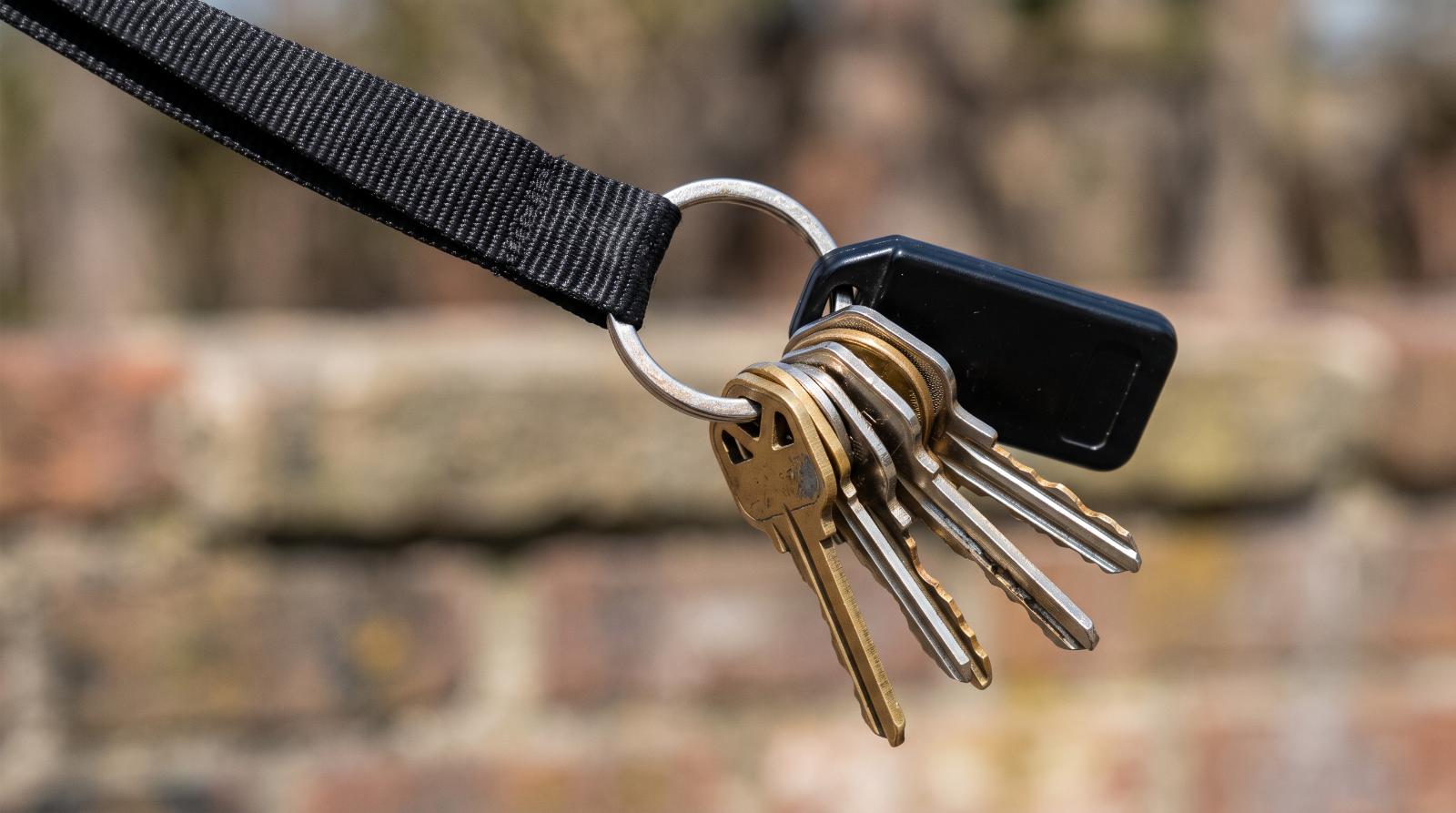
Key and Access Device Inventory is where you list everything being transferred. This means house keys (and how many), garage door openers, mailbox keys, gate clickers or fobs, pool keys, storage unit keys, and anything else that unlocks or opens something on the property.
Alarm Codes and Security System Information covers the transfer of any active security system. This includes disarming codes, the monitoring company's contact information, and any steps needed to transfer the account. If you skip this, the buyer might set off the alarm on move-in day and have no idea what to do.
Gate Codes apply to any community or property with gated access. These need to be confirmed working and transferred in writing.
Garage Door Openers get their own mention because they often get lost in the shuffle. Note how many exist and confirm all of them are accounted for.
Common Mistakes to Avoid
Assuming possession is automatic at close. It's not. The time of possession matters, and it needs to be agreed upon and documented before closing day arrives.
Not documenting all keys and codes. If there are three sets of keys and only two get transferred, that's a problem waiting to happen. Do a physical inventory before closing and put it in writing.
Failing to use a separate agreement when possession doesn't match closing. If the seller needs even one extra day, you need the right CAR form. Using the KP form alone when a rent-back situation exists doesn't cover you. Check out CAR's resources if you're unclear on which form applies to which scenario.
Not addressing the security system. A lot of agents forget this entirely. If the property has an active alarm, the buyer needs the codes, the monitoring company name, and ideally a confirmation that the account has been transferred or cancelled.
Waiting until the day of closing to sort all this out. Possession details should be discussed early and confirmed in writing well before escrow closes. Deadline management matters here just as much as it does for contingencies.
Pro Tips from a TC
Create a key inventory early. Walk through the property mentally or physically and list every access device that exists. Then confirm the seller can account for all of them before closing day.
Bring up possession expectations during the offer stage, not at closing. Sellers sometimes assume they have until end of day. Buyers sometimes assume they get keys the moment funding is confirmed. Both assumptions can be wrong. Put the conversation in writing from the start.
Use the correct CAR form for the situation. If possession doesn't coincide with closing, the PAA or SBLR is what you need. The California DRE provides guidance on transaction requirements that can help you stay oriented when questions come up.
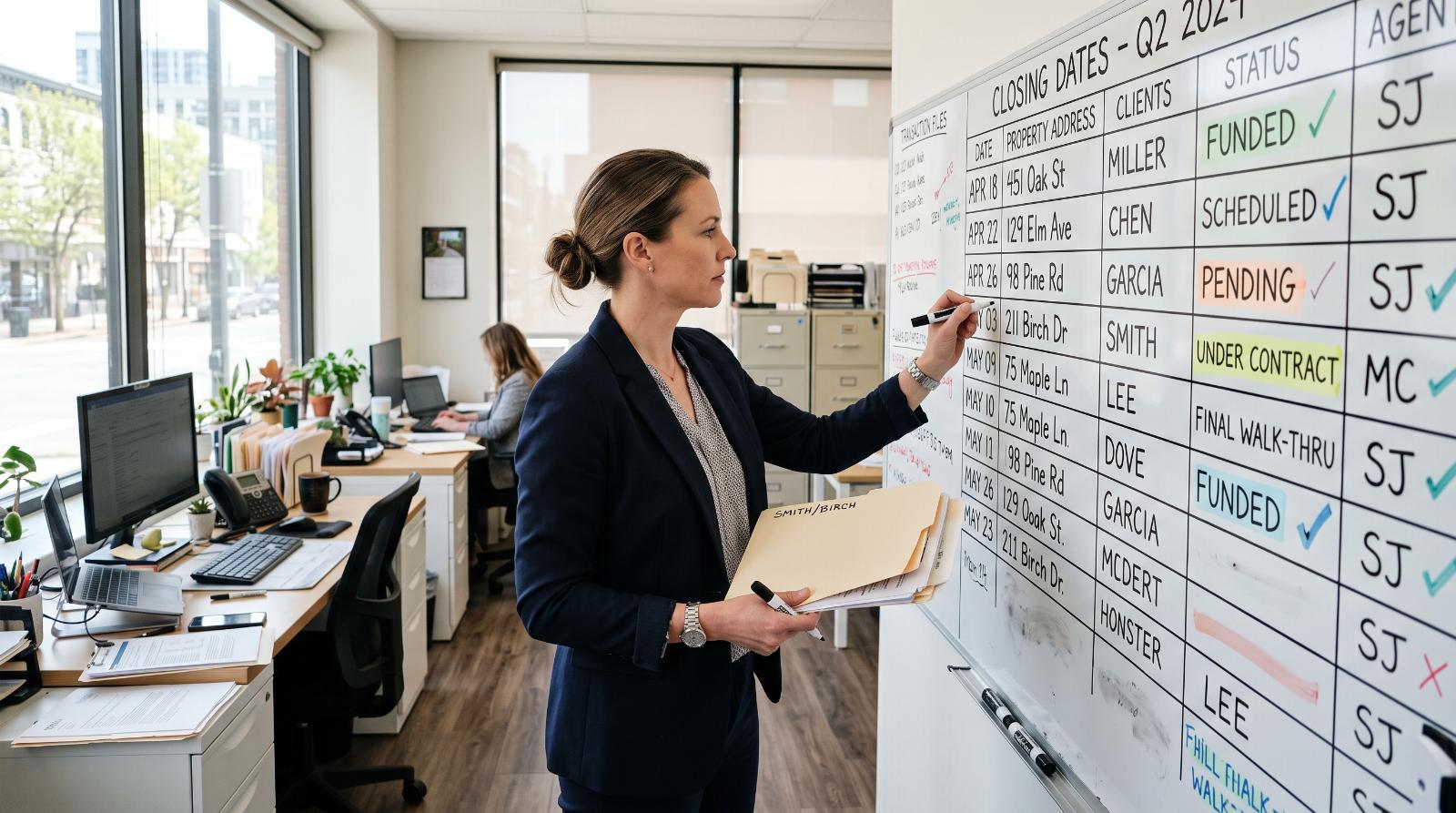
If you're managing several closings at once, possession details are exactly the kind of thing that slip through the cracks. Managing multiple deals requires a system, and a TC can help make sure nothing gets missed at the finish line.
Related Documents
- Seller in Possession Agreement
- Pre-Close Occupancy Agreement
- Residential Purchase Agreement
- Escrow Instructions
- All California Real Estate Documents
Frequently Asked Questions
Q: Does the buyer automatically get possession at close of escrow in California?
Not automatically in the way most people think. Close of escrow is a process, not a single moment. Funding and recording happen at different times, and neither you nor your buyer controls the exact clock. Possession needs to be tied to a specific agreed-upon time, and that agreement needs to be in writing. Without it, you've got a verbal understanding between two parties who may remember it differently.
Q: What happens if the seller hasn't moved out by the agreed possession time?
That's when things get messy fast. If the seller is still occupying the property past the agreed possession time without a written agreement in place, the buyer has grounds for a dispute and potentially a breach of contract claim. This is exactly why the KP form and, when applicable, a Seller in Possession agreement need to be completed before closing. You don't want to discover the gap after the fact. Common transaction coordination mistakes often involve these kinds of last-minute oversights.
Q: What if the buyer wants access to the property before close of escrow?
This requires a Pre-Close Occupancy Agreement or Pre-Closing Possession Addendum. The KP form alone doesn't cover pre-closing access. Early possession carries real risk for both sides, including liability if something goes wrong before title transfers. Make sure the right form is in place, that both parties understand the terms, and that your broker is aware of the arrangement.
Q: What time of day does possession typically transfer at closing?
There's no universal default; it's whatever time is written into the Keys and Possession form or the purchase agreement, commonly tied to when the deed actually records with the county, which is often mid-to-late afternoon. Vague language like 'at closing' without a specific time is exactly what creates disputes, so the KP form should spell out an actual time.
---
Possession disputes are one of the more avoidable problems in California real estate, and good documentation is the reason they stay avoidable. If you're handling closings and want a TC team that tracks possession details alongside every other moving part, Relaxed Agent works with California agents to make sure nothing falls through at the finish line.
Learn About Other Documents
Seller's Affidavit of Nonforeign Status (FIRPTA)
A federal affidavit in which the seller certifies whether they are a foreign or non-foreign person for tax purposes, determining whether the buyer must withhold a portion of the sale proceeds under FIRPTA.
Final Settlement Statement
A detailed accounting of all debits and credits for both buyer and seller, showing exactly how funds are distributed at the close of escrow.
Water Heater and Smoke Detector Statement of Compliance
A statement certifying that the water heater is braced, anchored, or strapped to resist falling or displacement during an earthquake, as required by California law.


![ME[QR]](https://cdn.prod.website-files.com/66f7368d5212d8702498cf0a/6733f1777dc663a2031e8238_markus-winkler-QuZThQoxwm4-unsplash.jpg)