Request for Repair
The Request for Repair form is one of those documents that can make or break a deal if it's handled carelessly. Buyers use it to formally ask the seller to address issues found during inspections, whether that's fixing something, providing a credit, or taking some other agreed-upon action. It sounds simple. In practice, it's a negotiation trigger, and how you put it together matters a lot.
Why This Document Matters
After inspections come back, the buyer has a choice: accept the property as-is, cancel, or ask for something. The RR is how they ask. It's not a complaint form or a wish list. It's a formal written request that becomes the basis for a binding agreement if the seller responds and both parties sign off.
That formal nature is what gives it weight. A well-drafted RR moves negotiations forward cleanly. A sloppy one opens the door to misunderstandings, rejected counters, and in the worst cases, deals that fall apart over preventable miscommunication. If you're the buyer's agent, this document reflects directly on your professionalism.
Deadline management is a huge part of why the RR creates stress. The form has to be submitted within the active inspection contingency period. Miss that window and you've potentially lost the buyer's leverage entirely.
How It Works
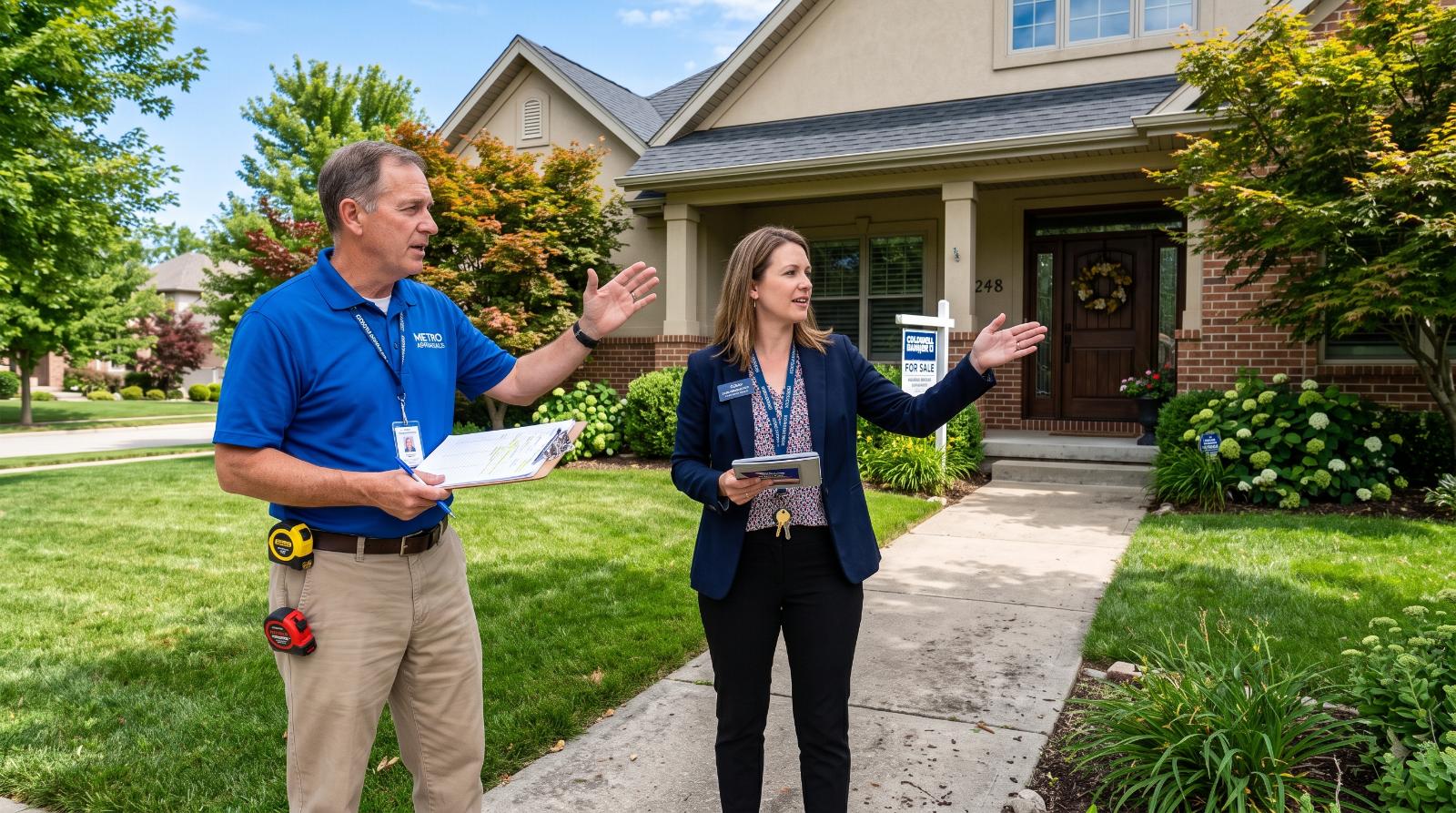
After the property inspection, the buyer reviews the report and identifies items they want addressed. The buyer's agent drafts the RR, listing the requested repairs or credits, attaches supporting documentation (usually the inspection report), and submits it to the seller's agent within the contingency period specified in the purchase agreement.
The seller then has a few options: agree to all of it, counter with a different offer (partial repairs, a lower credit, different terms), or reject the request outright. If the seller rejects the RR and the buyer isn't satisfied, the buyer can still cancel under their inspection contingency if it's still active. Once both parties agree on terms, they typically document the resolution with a Request for Repair Addendum or the seller signs the RR directly as an acceptance.
The timeline here is tight. Most California purchase agreements give the seller two to five days to respond, and that response clock starts ticking the moment you submit.
Key Sections Explained
Specific Repairs Requested
This is where buyers list the exact items they want fixed. The more specific, the better. "Fix roof" is not a repair request. "Repair the flashing on the north-facing dormer as noted in Section 4.2 of the inspection report" is. Sellers and their agents need to understand exactly what's being asked before they can agree to it.
Credits Requested in Lieu of Repairs
Buyers don't always want the seller doing the work. Sometimes it's cleaner to ask for a closing cost credit or a price reduction and handle the repairs themselves. This section lets them put a dollar amount on the table instead of specifying a scope of work. This approach often makes sense for cosmetic items or deferred maintenance where the buyer has a preferred contractor.
Documentation Attached
The RR should always go out with supporting documentation. Attach the relevant pages of the inspection report. If there's a pest report, roof report, or specialist's evaluation that backs up the request, attach that too. Sellers are far more likely to take requests seriously when there's a professional report behind them.
Response Deadline
This field sets the clock. Make sure the deadline you enter gives both sides enough time to respond without eating up the contingency period. You need time for the seller to counter, the buyer to decide, and any back-and-forth to happen before contingencies need to be removed.
Common Mistakes to Avoid
- Submitting after the contingency period expires. This is the big one. Once that inspection contingency is gone, so is most of the buyer's leverage. Track your dates. If you're juggling multiple files, this is exactly the kind of thing that slips. Working with a TC means someone is watching that deadline for you.
- Vague repair descriptions. If the request can be interpreted multiple ways, it will be. Sellers have no obligation to fix more than what was clearly asked. Be specific about the location, the nature of the issue, and what resolution looks like.
- Submitting an unreasonable list. Asking for forty line items after an inspection on a ten-year-old house sends a signal. It tells the seller the buyer is difficult, and it can poison negotiations before they've started. Focus on health, safety, and structural issues. Save the cosmetic stuff for credit requests or let it go.
- Not attaching the inspection report. You can't expect the seller to take a repair request seriously without the documentation. Attach it every time, at minimum the relevant sections.
- Forgetting that the RR is a negotiation opener, not a demand. Buyers who treat it like a demand often get flat rejections. Frame it strategically.
Pro Tips from a TC
Real talk: the RR is where agents can accidentally blow up their own deals. Here are a few things that actually help.
Lead with the big stuff. Health hazards, structural concerns, safety issues. Those are the requests sellers take seriously and that agents can defend with a straight face. If the inspection report flagged an active roof leak and a double-tapped breaker, those go on the RR. The chipped paint on the garage door probably doesn't.
For anything cosmetic or wear-and-tear, ask for a credit instead of a repair. It's cleaner, faster to agree on, and the buyer gets to choose their contractor. Reference the inspection report pages when you set the dollar amount so it's grounded in something real.
Keep the list short. Three to five well-supported items move faster than fifteen marginal ones. If the buyer insists on a long list, walk them through the risk. A seller who feels nickel-and-dimed has less motivation to cooperate on anything else in escrow.
Set a realistic response deadline. Give yourself and the seller's side enough time to actually work through a counter without blowing past the contingency window. Check the calendar before you fill in that date.
Related Documents
Once the RR is resolved, there are usually other documents in motion around the same time:
- Contingency Removal (CR) is typically what follows after the repair negotiation wraps up
- AVID (Agent Visual Inspection Disclosure) is part of the disclosure package that feeds into inspection conversations
- Seller Property Questionnaire (SPQ) often surfaces issues that end up on a repair request
- Purchase Agreement (RPA) sets the contingency periods the RR has to work within
You can browse the full California real estate documents library for anything else you're looking for.
Frequently Asked Questions
Q: Can the buyer submit an RR more than once?
Generally, yes, but it's not common and it can get complicated. If the first RR results in a counter or partial agreement and new inspection findings come up (say, from a specialist report ordered after the general inspection), a second request isn't automatically out of the question. But the inspection contingency has to still be active, and the seller isn't obligated to keep negotiating. Most experienced agents recommend getting everything on the table in one well-prepared request rather than going back multiple times.
Q: Does the seller have to respond to the RR?
No. The seller can ignore it, reject it, or counter it. If the seller rejects the RR and the buyer isn't satisfied with the property as-is, the buyer can cancel under the inspection contingency as long as it's still active. This is why timing matters so much. The California Association of Realtors standard forms give sellers a response window, but there's no legal obligation to engage. Silence is functionally a rejection.
Q: What happens if the seller agrees to repairs and then doesn't complete them before closing?
That's a problem, and it happens. If the seller agreed to repairs in writing, the buyer has grounds to push back before closing. Buyers are entitled to a final walk-through to verify completed repairs, and if the work wasn't done or wasn't done correctly, escrow should not close without resolution. Some agents request receipts or proof of work from licensed contractors. If you're tracking compliance on the seller side, transaction compliance oversight is exactly where that kind of follow-through lives.
The RR is a short form with a big job. It's where inspection findings turn into actual negotiated terms, and how it's drafted often determines how smoothly the rest of escrow goes. If you're managing multiple transactions and want someone tracking every deadline and document in the repair negotiation process, that's what Relaxed Agent is here for.
Learn About Other Documents
Seller in Possession Agreement
An agreement allowing the seller to remain in the property after close of escrow for a specified period, typically in exchange for a daily rent or holdover fee.
Buyer Representation Agreement
A contract establishing the agency relationship between a buyer and their agent, including compensation terms, duties, and the scope of representation.
Natural Hazard Disclosure Statement
A statutory disclosure identifying whether a property is located within various natural hazard zones including flood, fire, earthquake fault, and seismic hazard areas.