Smoke and Carbon Monoxide Detector Compliance
The Smoke and Carbon Monoxide Detector Compliance form (SMCO) doesn't get a lot of attention, but it's one of those closing documents that can create real problems if you treat it as a checkbox. California law requires sellers to certify that the property has operable smoke and carbon monoxide detectors installed in the right locations before title transfers. That certification isn't just paperwork. If it's wrong, the liability doesn't disappear after closing.
Why This Document Matters
California has been tightening its requirements on smoke and CO detectors for years, and the real estate transaction is one of the enforcement mechanisms built into state law. Under California Health and Safety Code, sellers are legally required to provide a written statement confirming that the property has functioning smoke detectors. A separate requirement covers carbon monoxide detectors. The SMCO form pulls both obligations together into one document.
This matters for a few reasons. First, it protects buyers. They're moving into a property and they deserve to know the safety devices work. Second, it protects you as the listing agent. If a seller forgets to install a CO detector and something happens after closing, the paper trail matters. Third, escrow won't close cleanly without it. Transaction compliance is part of every file, and this is one of the forms that gets scrutinized.
How It Works
The seller completes and signs the SMCO before close of escrow. By signing, they're certifying that the property has operable smoke detectors and carbon monoxide detectors installed in all locations required by California law. The buyer acknowledges receipt and signs as well.
The form itself is straightforward. What isn't always straightforward is the underlying reality. The seller is making a legal statement about the physical condition of the property. If detectors are missing, dead, or in the wrong spots, the form can't just be signed and moved on from. The issue needs to be corrected first.
This is a disclosure that functions as a compliance certification. It doesn't just inform the buyer about a condition. It confirms that a legal requirement has been met.
Key Sections Explained
Smoke Detector Locations and Compliance
California requires smoke detectors outside each sleeping area, on every level of the home including basements, and inside each bedroom for homes sold after a certain date. The form asks the seller to confirm that detectors are installed in the required locations and that they're operable. This isn't a general "yes we have smoke detectors" checkbox. Location matters.
Carbon Monoxide Detector Locations and Compliance
CO detectors are required in every dwelling unit that has an attached garage, fossil fuel burning appliance, or fireplace. They need to be installed outside each separate sleeping area. The form addresses whether the property meets these requirements. CO detectors are easy to overlook, especially in older homes that weren't built with them.
Certification of Compliance
This is the seller's formal statement that the property meets California's requirements. Signing this without verifying actual compliance is a problem. The certification has legal weight.
Buyer Acknowledgment
The buyer signs to confirm they received the disclosure and understand the seller's certification. Their signature doesn't mean they've independently verified the detectors, just that they've received the document.
Common Mistakes to Avoid
- Signing without verifying. This is the big one. Sellers sometimes sign the SMCO form without actually walking the property to check detector locations and battery status. Don't let that happen on your listings.
- Missing detectors in required locations. A detector in the hallway doesn't cover every bedroom. California's requirements are location-specific. Know them or have your seller confirm each room.
- Expired or non-working devices. A smoke detector with a dead battery or one that's past its ten-year lifespan isn't compliant. The form asks about operability, not just presence.
- Not providing the written statement. The certification needs to be in writing and delivered to the buyer. Some agents treat it as internal documentation. It's a required disclosure that needs to reach the buyer before closing.
- Ignoring the CO requirement in older homes. Sellers of homes built before carbon monoxide requirements existed sometimes assume they're exempt. They're not. The sale triggers the compliance obligation regardless of when the home was built.
For more on how disclosure documents can trip up a transaction, this post on common transaction coordination mistakes is worth reading.
Pro Tips from a TC
Real talk: the final walkthrough is the last chance to catch detector issues before they become a closing-day fire drill. Make it a habit to include a quick check of every smoke and CO detector on your walkthrough list. Not just a visual scan. Press the test button.
CO detectors are required on every level of the home that has sleeping areas. That means a two-story home with bedrooms on both floors needs coverage on both floors. A detector in the downstairs hallway doesn't satisfy the upstairs bedroom requirement.
Hardwired detectors are common in homes built or substantially remodeled after certain code changes took effect. If the home has hardwired units, check whether they have battery backup. During a power outage, a hardwired detector without backup power is effectively non-functional. California code requires backup, and if the unit is missing it, that's a compliance gap.
If a seller is replacing detectors to get into compliance, remind them to keep receipts. It's not required documentation, but it's useful if questions come up later.
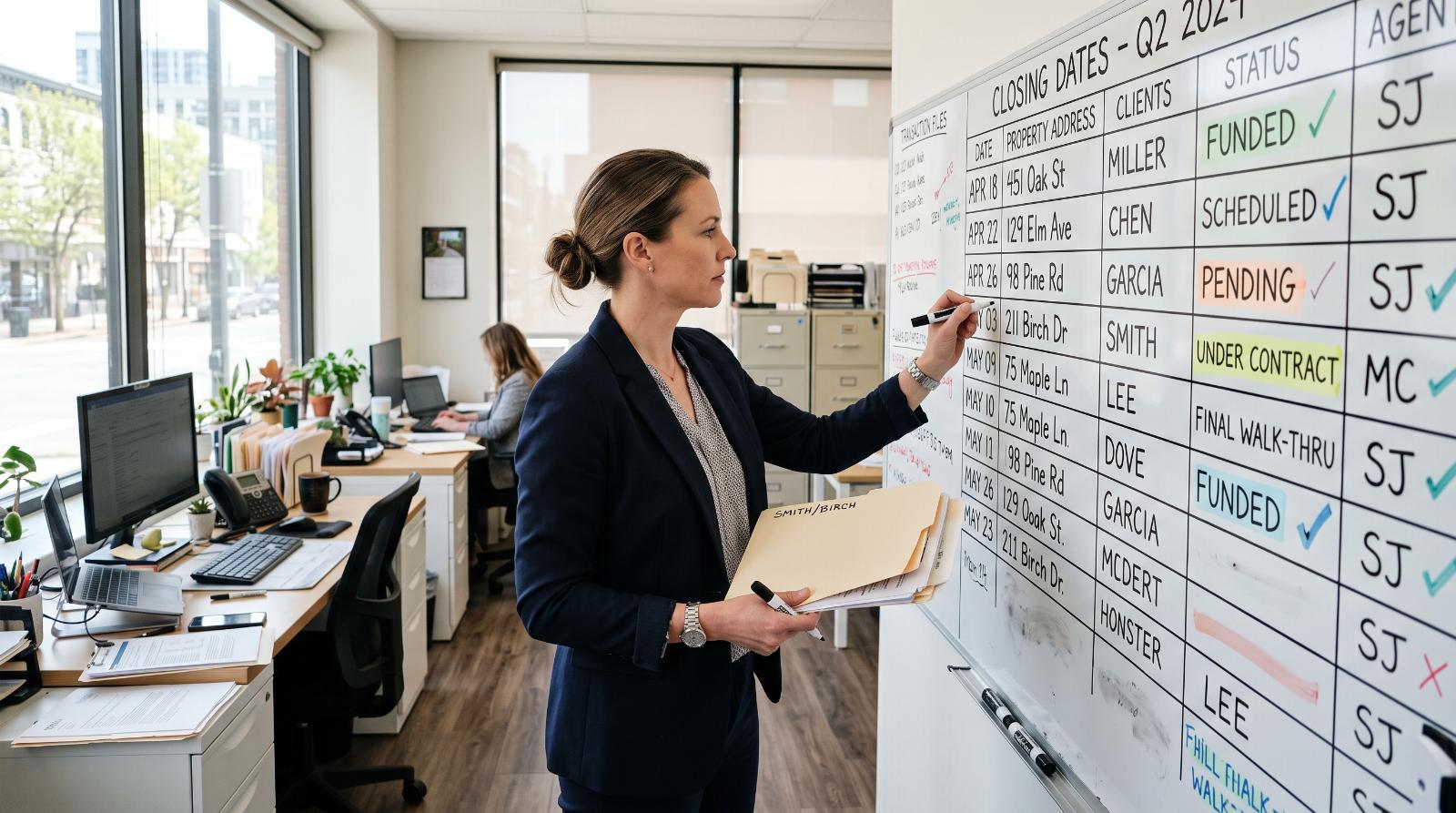
For agents handling multiple closings at once, managing a full pipeline without dropping details is a real challenge. SMCO is exactly the kind of form that gets overlooked when you're stretched thin.
Related Documents
Several documents typically move through the file alongside the SMCO:
- Transfer Disclosure Statement (TDS) covers the seller's broader disclosures about the property's condition, which overlaps with the safety device conversation
- Seller Property Questionnaire (SPQ) often includes questions about smoke and CO detectors as part of the seller's full disclosure picture
- Water Heater and Smoke Detector Compliance is a related form that addresses water heater bracing requirements alongside smoke detectors on some older versions of CAR forms
- Buyer's Inspection Advisory (BIA) reminds buyers that they have the right to inspect, including inspecting safety devices
The CAR forms library is the authoritative source if you need to pull the current version of the SMCO or verify form updates.
Frequently Asked Questions
Q: Is the seller required to install new detectors, or is it enough to have existing ones that work?
Existing detectors are fine as long as they're operable, properly located, and not past their service life. California doesn't require new devices just because a property is being sold. The requirement is compliance, not brand-new equipment. That said, if existing detectors are more than ten years old, replacing them is usually the safer call. Old units lose sensitivity and most manufacturers recommend replacement at the ten-year mark regardless.
Q: What happens if the buyer's inspection reveals non-compliant detectors after the SMCO has already been signed?
That's a problem. The seller has certified compliance, and the inspection has found otherwise. The seller needs to correct the deficiency before closing. Depending on how it plays out, it could also raise questions about the accuracy of the certification. This is why verifying actual compliance before signing the form matters so much. Signing first and hoping nobody checks is the kind of shortcut that creates real exposure.
Q: Does a seller need a licensed contractor to certify smoke and CO detector compliance?
No. The seller, or their agent on their behalf, can typically self-certify compliance by confirming operable detectors are installed in the required locations. A licensed professional isn't required unless a local ordinance specifically calls for one.
Q: Does this form apply to condos and townhomes, or just single-family homes?
It applies to condos and townhomes as well. The California Health and Safety Code covers all residential dwelling units, not just single-family homes. The specific installation requirements may interact with HOA rules or shared building systems in a condo setting, but the seller's obligation to certify compliance doesn't go away. If there's any ambiguity about who's responsible for detectors in a common-interest development, that's worth clarifying before the form is signed.
---
If you're handling a California listing and want someone tracking every compliance form, every deadline, and every required disclosure without you having to hold it all in your head, that's exactly what Relaxed Agent does. The SMCO is one piece of a closing package that has a lot of moving parts, and virtual transaction coordination exists precisely so none of those parts get dropped.
Learn About Other Documents
Residential Listing Agreement
The contract between a seller and their listing agent that establishes the terms of representation, commission structure, and marketing authorization for selling a property.
Pre-Approval Letter
A letter from a lender stating that a buyer has been preliminarily approved for a mortgage loan up to a specified amount, subject to property appraisal and final underwriting.
Water Heater and Smoke Detector Statement of Compliance
A statement certifying that the water heater is braced, anchored, or strapped to resist falling or displacement during an earthquake, as required by California law.