
The Form Nobody Reads Until Escrow Is Already Nervous
Somewhere in California right now, a buyer's agent is staring at a Transfer Disclosure Statement, pointing at a section that wasn't there last year, and asking their TC what it means. That section is SB 382. It's been law since January 1, 2026, and it's already showing up in almost every 1 to 4 unit residential transaction in the state. Most agents know something changed. Fewer can tell you what, or why it matters if the inspection gets skipped.
That gap is where deals get delayed. Not because the law is complicated. Because nobody explained it before the file landed in escrow.
What SB 382 Actually Requires
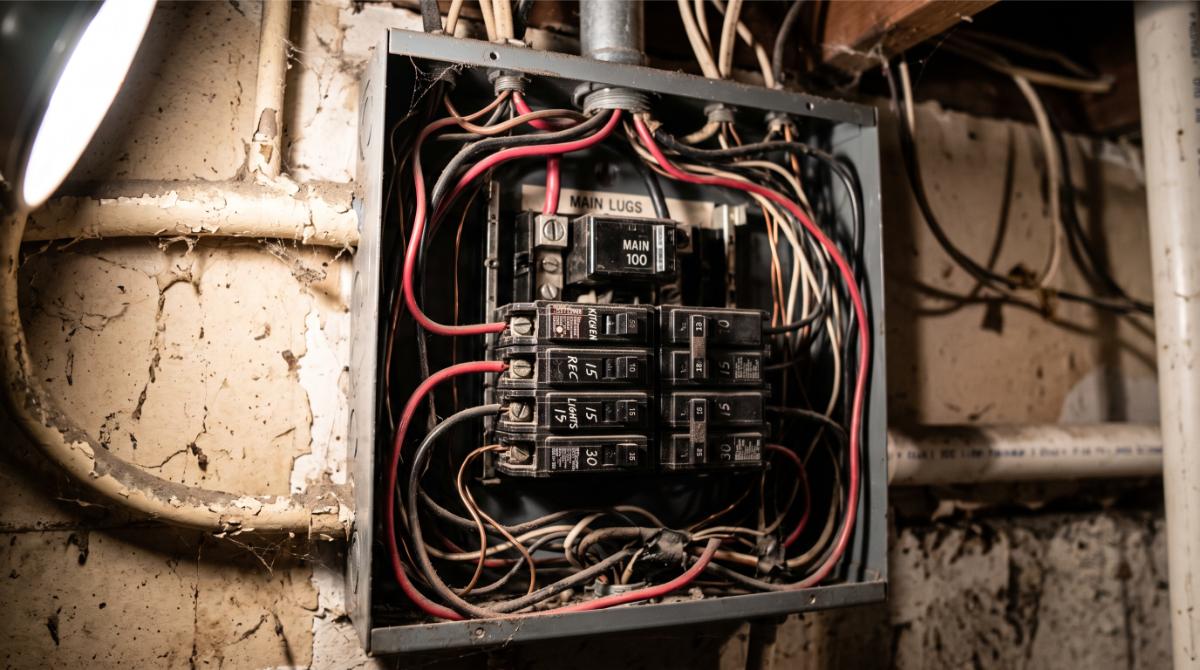
SB 382 amends California Civil Code sections 1102.6i and 1102.6j, and it applies to the standard TDS used in the sale of residential properties with one to four units, including mobile homes. The law does two specific things. First, if a seller or their agent knows about state or local rules requiring the future replacement of gas powered appliances tied to the property, they have to put that in writing. Second, it adds a statutory notice pushing the buyer toward an electrical system inspection before they close.
Notice what it does not do. It does not force a seller to rip out an old panel before listing. It does not mandate an inspection. It's a disclosure and advisory law, built to get information in front of buyers before they're signing loan documents, not a renovation mandate. If you're the one prepping the disclosure packet, that distinction matters when a nervous seller calls asking if they need to spend money before listing. They don't. They need to be honest about what they know.
The bill was sponsored by the Bay Area Air Quality Management District, which tells you where the pressure came from. Electrification. EV chargers, heat pumps, induction ranges, solar batteries. Older panels weren't built for that load, and the state decided buyers deserve to know before they own the problem.
Why This Isn't Just Another Line on the TDS
Here's the part that should actually get your attention if you're coordinating files day to day. This law didn't stay contained to the TDS. C.A.R. folded a related advisory directly into Paragraph 11(E) of the Residential Purchase Agreement, encouraging buyers to get an electrical inspection because of safety risk and insurance exposure. That's a form nearly every California transaction touches, on both the buyer and seller side.
Insurance is the quiet reason this matters more in 2026 than it would have five years ago. Carriers are already tightening underwriting on older homes across the state, and outdated wiring is one of the fastest ways to get flagged during an insurance inspection after close, not before. If your buyer skips the electrical inspection and the panel becomes a binder problem three weeks post-close, that's not a paperwork issue anymore. That's a phone call nobody wants to make.
This is exactly the kind of shift we flagged when we wrote about why California escrows are taking longer in 2026. Every new disclosure requirement adds a checkpoint. Checkpoints add days. Days add stress to a timeline that was already tight.
Where TCs Actually Get Tripped Up
The mistake isn't usually ignorance of the law. It's timing. A TC builds the disclosure packet early, before the listing agent has confirmed whether the seller knows of any local gas appliance replacement ordinance. Nobody follows up. The packet goes out incomplete, the buyer's agent catches it two weeks later, and now you're amending a TDS that's already been signed and initialed. That's an awkward conversation with a seller who thought they were done.
Sound familiar? It's the same failure mode we described in the AVID form agents rush and then regret. Disclosure forms don't fail because agents don't care. They fail because everyone assumes someone else already asked the hard question.
A few things worth building into your intake checklist right now:
- Ask the listing agent directly whether the seller has knowledge of any local ordinance requiring gas appliance replacement, don't assume the TDS software will flag it automatically
- Confirm the electrical inspection advisory language is actually present in the executed RPA, not just referenced in an addendum
- Flag any home over 30 years old for an electrical panel conversation before the disclosure packet goes out, not after
- Keep a paper trail showing the buyer was notified of their right to request an inspection, even if they waive it
None of this is complicated. It's just one more item competing for attention in a file that already has a TDS, an NHD, an SPQ, and a dozen other acronyms fighting for the same five minutes of everyone's day.
The Bigger Pattern Here
SB 382 isn't an isolated law. It's part of a run of 2026 disclosure additions, alongside new requirements around digitally altered listing photos and thirdhand smoke residue, all landing in the same TDS packet within months of each other. If you've felt like the disclosure process got heavier this year without anyone sending a clear memo, that's not a feeling. That's what actually happened.
This is also exactly why the hidden costs of DIY transaction coordination keep climbing. An agent juggling their own paperwork in 2023 could reasonably keep up. An agent doing that in 2026, tracking SB 382, the smoke disclosure, the photo editing rule, and the federal cash reporting requirement that just went live in March, is one missed update away from a canceled deal or worse, a lawsuit that surfaces eighteen months after close.
We've watched agents try to manage this solo and end up exactly where we described in what happens when your TC ghosts you mid-transaction. Except in this case, there's no ghosting TC to blame. It's just an overloaded agent who didn't know the form changed.
What This Means If You're Still Deciding Whether You Need Help
If you're an agent handling five or six files a month on your own, one new disclosure law is annoying but manageable. If you're handling ten, fifteen, twenty, the math changes fast. Every new form, every new advisory paragraph, every new signature requirement multiplies across every open file simultaneously. That's the exact tipping point we walked through in when to hire a TC: 7 signs you're ready. SB 382 alone won't push you there. SB 382 stacked on top of everything else California added this year, combined with a full pipeline, absolutely will.
And if you're already working with a coordinator, this is a good moment to ask a blunt question. Are they actually tracking new disclosure law as it lands, or are they running the same checklist they built in 2023 with a few patches taped on? There's a real difference between a TC who mentions SB 382 unprompted and one who finds out about it from your buyer's agent. That gap is worth positioning clearly when you're explaining to clients why coordination fees are worth paying, not something to bury in the fine print.
None of this changes because California is, as we've said before, unlike anywhere else when it comes to disclosure volume. New laws arrive every January. The C.A.R. forms library gets updated multiple times a year to keep pace, most recently with a mid-year release in June covering the RPA, the buyer representation agreement, and disclosure paragraphs directly tied to this law. Falling behind on any of it isn't a small mistake. It's the kind of mistake that surfaces as a lawsuit long after everyone's forgotten which form they signed.
One More Thing Worth Saying Out Loud
Insurance carriers are watching electrical panels closer than they were two years ago, and that's not going to reverse. The Insurance Information Institute has flagged aging home electrical systems as a growing driver of both fire risk and coverage denials, which means the disclosure conversation you have with a seller today is also, quietly, a conversation about whether their buyer can even get coverage at close. That's a bigger deal than a line item on a form. Treat it that way.
Contingency removal mistakes get all the attention because they're dramatic and they kill deals in real time. Disclosure gaps are quieter. They don't blow up escrow, they blow up eighteen months later in a courtroom, which is exactly why we spent so much time on the contingency removal mistakes that kill California deals and why the same discipline applies here. Get it right the first time. Nobody remembers the deal that closed clean. Everyone remembers the one that didn't.
So here's the actual question. When's the last time you checked whether your current TDS template even has the SB 382 language built in, or are you still working off last year's file?


