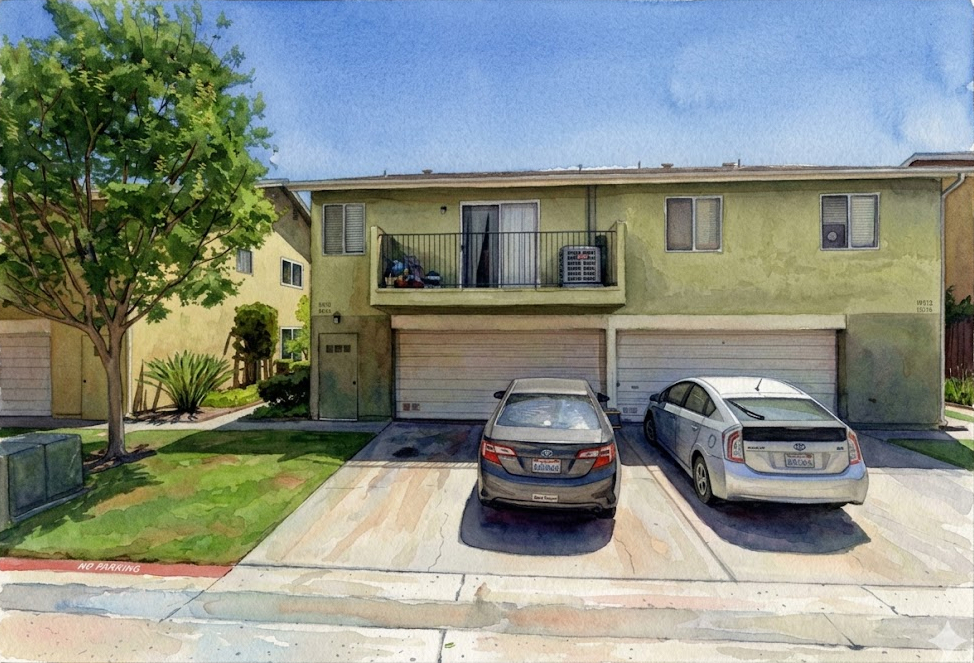
10532 Caminito Rimini

10532 Caminito Rimini

San Diego

, Ca

David Stein

San Diego Mortgage Group
Represented:
Buyer
View Agent Website

Services We Provided

Offer Drafting
Escrow Support
Handled Disclosures
Broker File Uploaded
Deadline Tracking
Lender Follow Up

Needing a Transaction Coordinator?

Relaxed Agent handles the contract to close details so you are not stuck chasing signatures, tracking deadlines, or cleaning up a broker file at the last minute. We keep the timeline clear, keep everyone accountable, and keep your transaction organized from acceptance to close. You stay focused on clients, negotiations, and new business.

Frequently Asked Questions

How are you paid?

Our fee is paid through escrow and only when your deal closes. No closing? No charge! For Add On services, these are to be paid before the service is completed. We accept Zelle, Venmo, Apple Cash, and Cash App.

What’s your cancellation policy?

No cancellation fees - ever. If a deal falls through, there’s no cost for you.

How early can you start on a transaction?

We can start as early as pre-listing by getting the property added to the MLS (through our MLS Entry Add On). For buy side, we can help generate offers whenever you're ready.

Do you handle multiple transactions at once?

Definitely! We can support multiple deals without missing a beat.

Do you offer custom services?

Yes, we’re flexible and open to additional tasks - just let us know what you need!

Can you help with submitting offers?

Absolutely! We can draft, review, and help submit offers quickly.

Im looking to buy or sell a home. Can you help me?

Yes. Jessica Sheltren is a California real estate agent backed by Relaxed Agent's professional transaction coordination, and she specializes in representing buyers and sellers throughout California through dorect, indirect and referral support. Reach out to discuss your transaction, and we'll walk you through every step with the same precision and compliance expertise that makes Relaxed Agent the choice for serious agents.

TIPS & INsights

Read Our Latest Articles

View All Articles
photograph of a hand scrolling a smartphone at a kitchen table, screen angled away from camera and out of focus

Why Your Facebook Ads Keep Attracting the Wrong Buyers

Jul 6, 2026
5 min read

Getting clicks but closing nothing? The problem probably isn't your budget. It's who Facebook is actually showing your ads to, and why your targeting is quietly work

You've spent $600 this month on Facebook ads. You've got 34 leads in your CRM. You've called every one of them. Six didn't pick up. Eleven told you they're "just looking, maybe in a year or two." Four asked if you could help them rent, not buy. Two wanted to know if you sold mobile homes. You sell nothing under $700,000.

This isn't bad luck. This is what happens when your targeting is broken and nobody told you.

Every agent running Facebook ads has had this conversation with themselves at some point. The ad account says the campaign is performing. Cost per lead looks reasonable. The dashboard is green across the board. And yet the leads are useless, one after another, like Facebook found every person in your zip code who has zero intention of buying a house and handed you their phone number instead.

The platform isn't broken. Your targeting is. And most agents never find out why because they're looking at the wrong metrics to diagnose it.

The Targeting Setting Everyone Gets Wrong

Meta gives you two fundamentally different ways to tell it who should see your ad: broad targeting, where you let the algorithm figure out who's interested based on your ad content and a few basic parameters, and detailed targeting, where you manually stack interests, behaviors, and demographics on top of each other.

Most agents use detailed targeting. Most agents use it badly.

The instinct is to add more filters, thinking more specificity means more qualified traffic. Age 35 to 55. Household income $150k plus. Interest in "real estate." Interest in "home improvement." Interest in "Zillow." Stack them all together and it feels like you've built a laser guided audience.

What you've actually built is a soup of everyone who checked any one of those boxes, because Meta's detailed targeting options work on an "or" basis within most groupings, not an "and." Someone doesn't need to be 35 to 55 AND high income AND interested in Zillow. Depending on how you've layered your groups, they might just need to hit one loosely related signal, and Meta's optimization will chase whoever is cheapest to reach that still technically qualifies.

Cheapest to reach is rarely the same as most likely to buy a $700,000 house from you specifically.

"Homeowners" Is Not an Audience

Here's the sentence that should get burned into every agent's brain before they open Ads Manager again: a demographic is not a buyer intent.

Targeting "homeowners age 30-45" doesn't mean you're reaching people who want to sell. It means you're reaching people who own a home. Most of them are not selling. Most of them never even think about selling on a random Tuesday when your ad interrupts their scroll between a recipe video and someone's vacation photos.

According to Meta's own advertising guidance, detailed targeting options are built from user behavior and declared interests, not intent signals like "actively looking to sell in the next six months." That signal doesn't exist as a targeting checkbox because Facebook doesn't actually know it. Nobody clicks a box that says "I plan to list my house in March." You're inferring intent from people who liked a home decor page once in 2021.

This is the gap between what feels like precision targeting and what's actually happening under the hood. You think you're speaking to sellers. You're speaking to homeowners. Those are wildly different audiences, and the wrong one is expensive in ways that don't show up until three weeks later when you're on the phone with someone who has no idea why you're calling.

If your ad copy assumes buyer intent but your targeting only guarantees demographic overlap, you've built a mismatch that no amount of budget fixes.

Lookalike Audiences Built on the Wrong Seed

Lookalike audiences sound like magic. Feed Meta a list of your best clients, and it finds more people just like them. In practice, the quality of a lookalike audience is entirely dependent on the quality and size of the seed list you fed it, and most agents feed it garbage without realizing it.

A common mistake: building a lookalike audience off your entire contact list, including every open house sign-in, every cold lead who never responded, every random person who filled out a home valuation form out of curiosity. That seed list isn't "my best clients." It's "everyone who has ever had any contact with me for any reason," and the lookalike Meta builds from it reflects that noise.

A better seed is a list of closed transactions from the last 12 to 24 months, ideally 100 contacts or more so Meta has enough signal to work with. Even better, segment it. A lookalike built from your last 20 luxury listing clients will produce a wildly different audience than one built from your last 20 first-time buyer clients, and mixing them together muddies both.

Most agents never revisit their lookalike source list after the first setup. If the seed was wrong in month one, it's still wrong now, quietly feeding bad matches into every campaign built on top of it.

overhead flat-lay photograph of a laptop showing a blurred ad manager dashboard interface next to a notepad

Your Ad Copy Is Doing the Opposite of Qualifying

Even with decent targeting, your ad copy can undo all of it in one line.

"Thinking about buying or selling? Let's talk!" is an invitation for absolutely everyone. It doesn't repel anyone who isn't serious. It doesn't filter for budget, timeline, or motivation. It's the digital equivalent of standing on a street corner asking strangers if they'd like to chat about real estate. Some will. Almost none of them are ready to do anything.

Ad copy should do the opposite of what most agents write it to do. It should scare off the wrong people, not attract everyone.

Compare that generic line to something like: "Looking to sell your Sacramento home for $600k or more in the next 90 days? Here's what buyers are actually offering right now." That copy pre-qualifies on price, timeline, and location before anyone even clicks. A person who's just curious about the market, not selling, not in that price range, not in that city, reads it and moves on. That's the point. You want them to move on. Every click from someone who was never going to close is money you can't get back.

HubSpot's research on ad copy specificity consistently shows that narrow, specific copy converts at lower volume but meaningfully higher quality than broad, come-one-come-all messaging. Lower volume with better fit beats higher volume with garbage fit every single time, and yet most agents chase the volume number because it feels like progress.

If you've already worked out how to position your services around a specific problem instead of competing on price, your ad copy should reflect that same discipline. Speak to one person with one problem. Let everyone else scroll past.

The Landing Page That Undoes Everything Your Targeting Got Right

Say your targeting is dialed in. Say your copy filters correctly. Then the click lands on your homepage, and the whole thing falls apart anyway.

A visitor who clicked an ad about selling a home for top dollar in a specific price range should land on a page that speaks to exactly that. Not your general homepage with a headshot and a tagline about your passion for real estate. A dedicated landing page that repeats the promise from the ad, asks for minimal information, and gives them one clear next step.

If you've read about how homepage copy converts, the same principles apply here with even less patience from the visitor. Someone who clicked a paid ad is more impatient than someone who found you organically. They expect the page to match what they just clicked. When it doesn't, they bounce, and Meta's algorithm eventually notices that your landing page is failing to convert traffic it worked hard to deliver, which can quietly increase your costs over time regardless of how good your targeting was.

Every mismatch between ad promise and landing page reality is a leak. Fix the targeting and the copy and still send people to the wrong page, and you're back to paying for clicks that go nowhere.

Broad Targeting Isn't Always the Villain

Here's the twist most agents don't expect. Sometimes the fix for bad leads isn't narrower targeting. It's broader targeting, paired with tighter creative.

Meta's algorithm has gotten considerably better at finding conversion-likely users on its own when you give it room to work, rather than boxing it into a small, over-filtered audience. Meta's advertising documentation on campaign optimization notes that overly narrow audiences can actually limit the algorithm's ability to find efficient placements, sometimes driving costs up rather than down.

A broad audience with sharp, self-selecting ad copy and a strong dedicated landing page can outperform a narrow, over-stacked audience with generic messaging. The targeting box isn't the only lever. Sometimes it's the least important one, and the creative is doing the heavy lifting of qualifying who actually engages.

This doesn't mean abandon targeting entirely. It means stop assuming that stacking interest after interest is inherently smarter than a broad audience with copy that does the filtering work instead.

The Budget Trap That Attracts Tire Kickers

Underfunded campaigns behave strangely. When your daily budget is too low relative to your audience size, Meta's delivery algorithm doesn't get enough data fast enough to optimize toward your actual goal, whether that's leads, calls, or form fills. Instead it often defaults to whoever is cheapest to serve an impression to, which tends to skew toward less qualified, more passive users.

WordStream's benchmark data on real estate advertising shows real estate has some of the higher cost-per-lead figures across industries, in part because the buying decision is high stakes and slow. Running $5 a day and expecting the algorithm to find serious $700k buyers in that budget is asking a lot of a system that needs enough spend and data volume to learn who converts.

If you're running multiple small campaigns spread thin across audiences instead of one well-funded campaign with a clear goal, you're likely starving all of them of the learning phase they need to actually optimize. Consolidate. Fund one campaign properly rather than five campaigns barely.

Retargeting the Wrong Behavior

Retargeting ads, the ones that follow someone around after they visit your site, are only as good as the behavior you're targeting them for.

Retargeting everyone who visited any page on your site treats a person who spent 40 seconds on your blog post about mortgage rates the same as someone who spent four minutes on a specific listing page and clicked "schedule a showing." Those are not the same intent level, and serving them the same retargeting ad wastes budget on the low-intent group while under-serving the high-intent one.

Set up custom audiences based on specific page visits and time-on-page thresholds, not just "anyone who's ever been to my domain." A visitor who viewed three listing pages in one session is a different animal than someone who bounced off your blog in eight seconds. Treat them differently, or you'll keep retargeting people who were never close to ready.

macro photograph of a smartphone screen displaying a blurred social media feed with ad content

What Good Targeting Actually Looks Like

Pulling this together, a well-built campaign usually has these traits working at once, not in isolation. A defined audience based on actual behavior signals rather than vague demographics. Ad copy that pre-qualifies by naming a specific price range, timeline, or situation. A dedicated landing page matching the ad's exact promise. A budget large enough to give Meta's algorithm room to learn. And retargeting segmented by actual on-site behavior, not blanket site visits.

Miss any one of those five and the whole system leaks. Most agents nail one or two and wonder why the campaign still produces junk. It's rarely one catastrophic mistake. It's usually three or four small ones compounding.

Auditing Your Current Campaigns This Week

Before you spend another dollar, pull up your last 30 days of ad performance and answer a few questions honestly.

What does your current targeting actually consist of, and would you describe it as buyer intent or just demographic overlap? What's your seed list for any lookalike audiences, and when did you last update it? Does your ad copy name a specific price point, timeline, or situation, or does it invite literally anyone? Where does the click actually land, and does that page repeat the exact promise from the ad? And is your daily budget large enough for the audience size you're targeting, or are you spreading a small amount across too many segments?

Google Search Console and your site analytics can tell you what's happening after the click, which is often where the real problem hides even when the targeting looks reasonable on paper.

If you've already built out a lead magnet that's supposed to be doing some of this qualifying work for you, check whether your Facebook traffic is even landing on it, or whether it's going straight to a generic contact form that asks for nothing more than a name and email with zero context about what the person actually wants.

The uncomfortable truth is that most agents running bad Facebook campaigns aren't bad marketers. They're busy people who set up a campaign once, watched the lead count go up, and never went back to ask whether those leads were worth anything. If your leads aren't converting, the platform isn't always the problem. Sometimes the fastest fix isn't a new ad. It's turning off the campaign that's been quietly funding a pile of names you'll never close, and rebuilding it with intent instead of guesswork.

What would your lead quality look like if you cut your ad spend in half and only reached people who actually match what you sell?

Read Article
a classic California craftsman bungalow shot from the sidewalk

The Agent Website That Ranks Without a Single Listing

Jul 1, 2026
5 min read

The agents ranking highest for seller searches often have no IDX at all. Here's what a brand-first website does that a listing-heavy platform site never can.

Every real estate website course, every brokerage onboarding deck, every conversation about agent marketing eventually lands on the same assumption: you need IDX. You need listings on your site. You need buyers to be able to search from your domain or you're not a serious player.

That assumption has been repeated so many times that most agents treat it as settled fact. It isn't.

Some of the best-ranking, highest-converting agent websites in California have no IDX feed at all. No live listings. No property search. No MLS data. What they have instead is a clear, well-built brand presence that tells Google and every visitor exactly who this agent is, what they've done, who they've done it for, and why that matters.

Those sites rank for seller searches. They rank for neighborhood searches. They generate listing appointments from organic traffic. And because they're built on infrastructure the agent actually owns, every dollar of SEO equity they accumulate stays in the agent's pocket permanently, regardless of what platform changes, brokerage moves, or software acquisitions happen in the meantime.

The agents on all-in-one platforms with IDX-heavy sites are renting their presence. The agents with brand-first owned sites are building an asset. The difference compounds over time in ways that are hard to see in month three and impossible to ignore in year three.

detail photograph of the facade of a distinguished older California building

The Assumption Worth Questioning

The IDX argument has always rested on one premise: buyers want to search listings, so you need listings on your site to attract buyers, and buyers eventually become sellers, so IDX drives your whole business.

There's a version of that logic that holds. There's also a version of it that was more true in 2012 than it is in 2026.

Buyers today start their search on Zillow. Full stop. Not on an agent's website. Not on a brokerage IDX portal. On Zillow, Redfin, or Realtor.com, where the inventory is comprehensive, the interface is polished, and the experience is optimized by teams of engineers who do nothing else. An agent's IDX site, however well-configured, is not competing with Zillow for the buyer who wants to browse listings.

What an agent's website can compete for, and win, is the buyer or seller who has moved past browsing and into evaluating. The person who has already found listings they like and now wants to know who the right agent is to help them. The seller who is three months from listing and quietly researching who in their market has the track record worth trusting. The move-up buyer who sold with you four years ago and wants to know if you're still active before they call.

Those visitors aren't coming to your site to search listings. They're coming to evaluate you. And a brand-first website built around your story, your results, and your client relationships does that job dramatically better than a page full of IDX search filters.

As we covered when looking at the hidden downside of all-in-one platforms, IDX-heavy sites built on vendor infrastructure create SEO equity on land you don't own. A brand-first site built on your own domain and hosting creates equity that stays yours indefinitely.

What a Brand-First Website Actually Is

A brand-first real estate website is built around the agent rather than the inventory. Its primary purpose is to establish credibility, communicate expertise, and convert visitors who are already interested in working with a specific person rather than browsing an anonymous pool of listings.

The core sections of a brand-first site are different from a traditional agent site. Instead of a homepage dominated by a listing search bar, it leads with the agent's value proposition, their market, their specialty, and a clear statement of what working with them actually looks like. Instead of featured listings as the primary content, it features past sales, client stories, and documented results. Instead of IDX pages generating hundreds of thin URLs, it has a deliberately built content architecture of original pages that Google can evaluate and rank.

Think of it as the difference between a store and a portfolio. An IDX site is a store. Here are the products, browse them, maybe you'll find one you like and call me. A brand-first site is a portfolio. Here is my work, here is what my clients say about it, here is what I know about this market, and here is how to reach me when you're ready.

Stores compete on inventory. Portfolios compete on reputation. In a market where every agent's IDX feed shows the same listings, reputation is the only differentiator that actually differentiates.

Why Sellers Don't Care About Your IDX Feed

Sellers don't need to search for homes. They need to find an agent they trust to sell the one they already have.

When a seller lands on your website, they're asking one question in about a dozen different ways: has this person sold homes like mine, in my area, for prices that would make me happy, and do other people who've worked with them say it was worth it?

An IDX feed answers none of those questions. A well-built past sales section answers all of them.

According to NAR's research on seller behavior, the overwhelming majority of sellers say the most important factor in choosing an agent is their reputation and track record. Not their website features. Not whether they can search listings on the agent's domain. Their track record.

A brand-first website built around documented results speaks directly to that priority. A page that shows twelve homes sold in a specific neighborhood over the last two years, with sale prices, days on market, and a brief client story attached to each one, is more persuasive to a seller evaluating agents than any amount of IDX functionality.

This is also where the SEO opportunity lives. Sellers search for things like "top listing agent in [neighborhood]," "who sold the most homes in [city] last year," and "real estate agent [city] reviews." None of those searches are answered by an IDX feed. All of them can be answered by a well-structured brand-first site with the right content.

a confident woman in professional attire standing on the front steps of a sold California home

Past Sales as SEO Content

This is the section most agents skip entirely, and it's where the biggest SEO opportunity on a brand-first site lives.

Every home you've sold is a piece of content waiting to be written. The address, the neighborhood, the price range, the story of the transaction. How long it took to get the listing. What the market conditions were when it sold. What the sellers were trying to accomplish and whether you helped them accomplish it. What made this particular sale interesting or challenging or worth documenting.

A past sales page that presents this information in narrative form, even briefly, is original content that exists nowhere else on the internet. It's indexed at a URL you own. It contains neighborhood names, city names, price points, and contextual details that are exactly the kind of local-specific content Google rewards in local search.

Compare that to what a typical agent's website has: a sold listings section that pulls from MLS data and shows the same photos and data fields available on every other site. Generic, duplicate, thin. Google ignores it.

A narrative past sales section is the opposite of all three of those things. It's original, it's unique to your experience, and it's as deep as you choose to make it.

The format doesn't need to be elaborate. A photo of the property, a neighborhood tag, a brief paragraph about the transaction, a pull quote from the client if you have one, and the outcome. Sold at this price, in this many days, for this percentage of asking. That's enough. Twelve of those entries, structured cleanly on a page that Google can crawl, is a stronger SEO asset than most agents realize.

Over time, as you add more sales, the page deepens. It starts to rank for searches about specific neighborhoods where you've sold frequently. It becomes evidence of genuine local expertise in the areas you serve. Neighborhood-specific content and past sales content reinforce each other when they're linked together, which is an internal linking opportunity that most agents with IDX-heavy sites never get to build.

Testimonials and Client Stories as Trust Infrastructure

A testimonial is not a review. That distinction matters for how you build this section of your site.

A review is what someone leaves on Google or Zillow without prompting. It's short, it's unstructured, and it's on someone else's platform. Valuable, but not something you control or can shape into a coherent narrative.

A testimonial on your own site is a piece of content you collect intentionally, present with context, and structure to answer the specific questions a prospective client has when they're evaluating whether to work with you.

The most effective testimonials on a brand-first site are not generic praise. They're specific outcome stories. The clients who were relocating from out of state and needed to close in thirty days. The sellers who had tenants in the property and thought it would be impossible to show. The buyers who lost three offers before finding the right strategy. The story of what the situation was, what happened, and what the outcome was.

Those stories do two things simultaneously. They build emotional trust by making the prospective client see themselves in the situation. And they function as original, specific, locally contextual content that Google can read and evaluate.

A client story page with eight well-written entries of 150 to 200 words each is a page with genuine depth, genuine originality, and genuine SEO value. According to research from Nielsen Norman Group on how users process trust signals online, specific social proof from identifiable sources consistently outperforms generic praise in building trust and driving conversion.

Put the client's first name and city if they'll allow it. Add the outcome in concrete terms. Link the story to the relevant neighborhood page if you have one. That connection between client story and neighborhood content creates a content web that signals local expertise at a depth the portals can't touch.

Accolades, Press, and Social Proof That Google Can Read

If you've received production awards from your brokerage, been featured in a local publication, spoken on a panel, been quoted in a market update, or achieved any designation or certification worth mentioning, a brand-first site is the right place to present all of it.

Not in a humble, buried-at-the-bottom-of-the-about-page way. In a dedicated, clearly structured section that Google can crawl and that visitors can find without hunting.

Awards and designations matter to Google because they're third-party signals. A page that says "top 1% of agents in San Diego County, 2023 and 2024" and links to the source is a page that carries a trust signal beyond the agent's own claims about themselves. External credibility signals are a meaningful factor in how Google evaluates the authority of a page, particularly for YMYL content, which stands for Your Money or Your Life, a category that real estate clearly falls into given the financial stakes involved.

Press mentions work similarly. If a local publication quoted you in a market update story, that's linkable content. Get the link, put it on your site in a press or media section, and make sure the page that houses it is properly structured and internally linked.

If you've written guest posts for real estate publications, been featured in a podcast, or contributed to any external content that's publicly accessible, link to it. Every third-party mention that appears on your site alongside the original source link adds a layer of credibility that self-referential marketing copy can never replicate.

This is the section of a brand-first site that accumulates passively over a career. In year one it's thin. In year five it's a significant differentiator. Start building it from the beginning even if it's sparse at first, because the structure being there means you're in the habit of adding to it when something worth adding happens.

still life macro photograph of a small collection of physical award plaques and a single framed certificate arranged on a warm-toned wooden shelf

The Ownership Advantage and Why It Compounds

Everything built on a brand-first site you own accumulates at a URL that belongs to you permanently.

The past sales page you built two years ago is still indexed. The client story from eighteen months ago is still ranking for the neighborhood name it mentioned. The blog post you wrote about California escrow timelines is still pulling in organic traffic from agents and clients researching the topic. None of it disappears because a vendor raised their prices or got acquired.

This is the compounding advantage that's hard to see when you're in year one and easy to see when you're in year four. Every piece of original content you build on owned infrastructure is a permanent addition to the business asset. Every piece of content built on a vendor's platform is a temporary addition to their asset that you're borrowing.

As we've covered in looking at what happens when you leave an all-in-one platform, the SEO equity built on rented infrastructure doesn't transfer. The equity built on owned infrastructure doesn't go anywhere unless you choose to take it down.

For an agent who plans to be in this business for ten or fifteen years, the difference in cumulative SEO equity between an owned brand-first site and a vendor-hosted IDX site is enormous. The owned site builds value that belongs to the business. The vendor site builds value that belongs to the vendor.

Google Search Console data shows this clearly for agents who have both. The owned site's pages accumulate impressions and clicks over time. The vendor site's pages reset whenever the contract changes.

What This Kind of Site Looks Like in Practice

Concretely, a well-built brand-first agent site has a handful of core sections that work together as a system.

A homepage that leads with the agent's market, specialty, and a clear statement of results. Not a search bar. Not a featured listings carousel. A direct, confident opening that tells a visitor in three seconds who this agent is and why they should keep reading. The homepage conversion principles apply here fully.

An about page that functions as a credibility document, not a personal bio. Career history, transaction volume, market knowledge, designations, and a human element that makes the agent feel like a real person rather than a credential list.

A past sales section structured as original content. Photos, neighborhood tags, brief narratives, client outcomes. Updated regularly as new transactions close.

A client stories section with specific, outcome-focused testimonials that answer the questions prospective clients are actually asking before they reach out.

A neighborhood content section with genuinely original pages for every area the agent serves consistently. Connected to the past sales section through internal links so that a seller researching a specific neighborhood can see both the agent's knowledge of the area and their documented history of selling in it.

A blog with original market content. Not generic real estate advice available on a thousand other sites. Specific, local, timely analysis that positions the agent as the most informed voice in their market. The kind of content AI search tools are beginning to cite when buyers and sellers ask conversational search engines who to trust in a specific market.

A contact section that's easy to find, easy to use, and designed to convert rather than deflect.

That's the whole architecture. Six sections, each with a specific job, each connected to the others through intentional internal linking.

How to Structure It for Search

The SEO strategy for a brand-first site is simpler than most agents expect because the content itself is doing the heavy lifting.

Every neighborhood page targets the hyper-local keywords that agents can actually rank for. Not "homes for sale in California." Specific neighborhood names, specific city names, specific search queries that a buyer or seller in that area actually types.

Every past sales entry reinforces those neighborhood associations by connecting a documented transaction to a specific location. Over time, Google sees a site that consistently produces original, specific, locally contextual content about the same geographic areas. That consistency is exactly what local SEO rewards.

The blog amplifies the effect. Posts about what's happening in specific neighborhoods, what sellers in specific price ranges need to know, what the California RPA means for buyers negotiating in a competitive market. Each post is another indexed URL associating this domain with this agent's expertise in this specific geography.

Page titles and meta descriptions should follow the formula that works for local search: specific location plus specific expertise plus current year where relevant. Not "real estate agent" as a standalone phrase. "Listing Agent in Silver Lake, Los Angeles: Sold 14 Homes in 2025" is a page title that tells Google and the visitor exactly what they're looking at.

Internal linking ties it all together. Neighborhood pages link to related past sales. Past sales link to relevant client stories. Blog posts link to neighborhood pages where the content connects. The contact page is linked from everywhere because every page on the site has the same ultimate goal.

Moz's framework for content architecture describes this as a topic cluster model: a central hub of authority supported by interconnected content that covers the same territory from multiple angles. For a brand-first agent site, the hub is the agent's expertise in a specific market. Every page is another angle on the same core claim.

The IDX Question You'll Still Have to Answer

Not having IDX on your primary brand site doesn't mean your clients can never search listings through your web presence. It means you're making a deliberate choice about what your primary domain is optimized for.

Several approaches work in practice.

Some agents maintain a completely separate IDX-enabled site on a different subdomain or a second domain specifically for buyer search functionality. The brand site handles credibility, SEO, and seller conversion. The IDX site handles buyer search. The two serve different audiences and are optimized separately.

Others use a third-party IDX solution that embeds on a single page of the brand site, keeping the search functionality without letting it generate hundreds of thin URLs across the domain. This requires careful configuration to avoid the crawl budget and duplicate content problems that IDX creates when it's left to run without controls.

Others simply send buyers to the MLS portal or to Zillow for search functionality, accepting that they're not capturing that use case on their own domain in exchange for keeping their primary site clean and focused. This is a more aggressive position but one that some successful listing-focused agents make deliberately.

The right answer depends on the agent's business mix. An agent who works primarily with sellers has very little reason to prioritize IDX on their primary site. An agent who does equal buyer and seller work has a stronger case for the embedded or separate IDX approach.

What matters is making the choice consciously rather than defaulting to IDX because everyone said you had to have it.

Start With What You've Already Earned

Here's the thing about a brand-first site that makes it more accessible than it sounds: you already have most of the content.

Every transaction you've closed is a past sale waiting to be documented. Every client who thanked you after closing is a testimonial waiting to be collected. Every award, every designation, every production milestone is a credibility signal waiting to be structured. Every neighborhood you've sold in consistently is a page waiting to be written.

The content isn't the obstacle. The obstacle is the assumption that listings are the product and the website is just the storefront for displaying them.

Shift that assumption and the whole website strategy changes. You're not building a place for buyers to search inventory. You're building a document of what you've built over a career. A public record of results, relationships, and local knowledge that no portal can replicate and no vendor can take from you when the contract ends.

A well-built real estate website is one of the few marketing investments in this industry that gets more valuable the longer it exists. Most marketing spend in real estate is purely transactional: you pay for an ad, you get a lead, the ad stops and the leads stop. A brand-first owned site keeps producing. Every new past sale you add makes it more convincing. Every new client story makes it more trustworthy. Every new blog post makes it more findable.

That's the compounding advantage the portals don't want you to think about too hard. They need you dependent on their infrastructure. Your best business case is building infrastructure of your own.

Start with the last five homes you sold. Write three sentences about each one. Add a photo. Tag the neighborhood. Put it on a page you own at a URL that belongs to you.

That's the beginning of something the portals can't outrank, because they can't replicate it.

Read Article
a single key lying on a rough concrete surface, the key slightly off-center in the frame

The Hidden Downside of All-in-One Real Estate Platforms

Jun 28, 2026
5 min read

All-in-one real estate platforms look like a smart move until you try to leave. Here's what agents need to know about website ownership before they sign up.

The pitch is genuinely compelling. One monthly fee and you get a website, a CRM, lead capture tools, automated follow-up sequences, listing search powered by IDX, and sometimes a dialer, a text tool, and a transaction pipeline on top of it. Everything talking to everything else. No juggling five subscriptions. No figuring out how to make your website hand off leads to your CRM. Just one login and a business that runs.

It sounds like the right move. For a lot of agents, it feels like the right move, at least for the first six months.

Then something happens. The price goes up. The platform gets acquired. The features you were promised never materialize. A competitor offers something better. Your brokerage changes and the platform doesn't integrate cleanly anymore. You start asking what it would take to leave.

That's when you find out what you actually signed up for.

macro photograph of a padlock resting on a rough concrete surface

The Appeal Is Real. So Is the Trap.

To be clear about something before going further: platforms like BoldTrail, Lofty, Real Geeks, and Sierra Interactive are not scams. They're legitimate software products used by real agents running real businesses. Some agents stay on them for years and are genuinely happy. The tools work.

The problem isn't the tools. The problem is what most agents don't fully understand when they sign up, specifically around ownership, portability, and what the exit looks like if they ever need one.

The all-in-one model bundles convenience with dependency. Those two things are not the same, and the difference between them only becomes visible when you try to leave.

An agent who has been on one of these platforms for two years has built something. A website with pages, blog posts, neighborhood content, and maybe some SEO traction. A contact database with years of notes, tags, and communication history. A lead pipeline with active prospects at various stages. Automated sequences running in the background nurturing people who aren't ready to transact yet.

All of that exists inside someone else's software. And when you cancel, most of it doesn't come with you.

What All-in-One Platforms Actually Include

The major all-in-one platforms in the real estate space share a common structure. Understanding what's included helps clarify what's at risk.

The website is typically a templated build on the platform's own hosting infrastructure. You choose a design, add your branding, customize some content, and the platform generates a site that lives on their servers under their system. Sometimes it's on a subdomain of their platform. Sometimes it's on your custom domain but still hosted and controlled entirely by them. Either way, the underlying code, the hosting, and the technical architecture belong to the vendor.

The CRM is the contact and pipeline management layer. It stores your leads, your clients, your past contacts, and all the communication history, notes, and tags you've built up over time. Some platforms allow you to export this data in a CSV file. Others make it cumbersome. A few make it nearly impossible to get a clean export that's actually usable in another system.

The IDX integration pulls listing data from your MLS and displays it on your website. This part is relatively portable, since IDX is a licensed data feed that you can point at a new website, but the search pages, the saved search functionality, and the lead capture forms that were built around it on your current platform don't transfer anywhere.

The automation sequences, the drip campaigns, the follow-up workflows, the behavioral triggers, all of that logic lives inside the platform's automation engine. You can screenshot it or document it manually, but you can't export it and import it into a different CRM in any meaningful way. You rebuild it from scratch or you lose it.

bird's-eye photograph of a large tree with an extensive root system exposed on the surface of dry earth

The Ownership Question Nobody Asks at Sign-Up

When an agent evaluates a new platform, the questions they typically ask are about features, price, and support. How does the IDX search look? Can I customize the homepage? Does the CRM integrate with my email? How much does it cost per month?

The questions almost nobody asks are the ones that matter most if things go sideways.

Who owns the website if I cancel? The answer, for virtually every all-in-one platform, is the vendor. The site goes dark or gets recycled the moment your subscription ends. You do not walk away with the files, the code, the hosting, or the content in any format that can be relaunched elsewhere.

Can I export my contact database in a format that's actually usable? Some platforms export a CSV that includes basic contact fields. Others include communication history and notes. Many do not include the behavioral data, the lead scores, or the tagging structures you spent months building. What you get back is often a flat list of names and email addresses, not a functional database.

What happens to my domain? If you purchased your domain through the platform, which some of them encourage, transferring it out can be complicated. If you already owned your domain and pointed it at their platform, you retain the domain but lose everything built on it.

What's the notice period to cancel and what happens to my data after that? Some platforms give you a grace period to export data after cancellation. Others cut access immediately. Knowing this before you sign up is significantly better than finding out when you're trying to leave.

The California Department of Real Estate doesn't regulate software contracts, but the terms of service on these platforms are binding agreements. Reading the cancellation and data portability clauses before signing is the kind of due diligence most agents skip and later wish they hadn't.

What Happens When You Cancel

Here's the scenario that plays out more often than the platforms would like you to know about.

An agent has been on a platform for eighteen months. They've built out their website with a solid about page, a homepage that converts, neighborhood content for six areas they specialize in, and a blog with twelve posts. Some of those posts have started to rank in Google. They're getting occasional organic leads from the content.

They decide to leave. Maybe the platform raised prices. Maybe they found a better CRM that doesn't include a website. Maybe their brokerage is switching systems. Whatever the reason, they cancel.

The website goes dark. Not immediately in every case, but eventually. The neighborhood pages they spent hours writing, gone. The blog posts that were starting to rank, gone. The homepage they rewrote three times to get right, gone. The domain still works if they owned it, but it points to nothing.

Whatever SEO value those pages had accumulated, the backlinks pointing to specific posts, the indexed URLs in Google, the crawl history, all of it is either lost or requires significant technical work to salvage. Even if they rebuild on a new platform, they're starting over on domain authority for those specific pages.

Moz's research on domain authority and link equity makes clear that the SEO value built on a specific URL takes time to accumulate and doesn't automatically transfer when content moves to a new location. If your blog post at yourplatform.com/blog/neighborhood-guide has been indexed and linked to for a year, moving that content to a new URL means starting that page's authority from zero, even if the words are identical.

The CRM side is often worse. The agent exports a CSV, loads it into a new system, and discovers that two years of notes, tags, and communication context didn't come with it. They have a list of names. They don't have a functional database.

The SEO You Built on Someone Else's Land

This is the piece that stings most for agents who've invested in content.

Every blog post you write, every neighborhood page you build, every piece of original content you create on a platform-hosted website is sitting on infrastructure you don't own. The words are yours. The URLs are not. The hosting is not. The indexed pages in Google point to an address that belongs to the vendor.

If you've read about why neighborhood pages are one of the best SEO assets an agent can build, you understand the investment involved. Genuine local content takes time to research and write. It takes months to accumulate search traction. A neighborhood page that's been live for a year and is starting to rank for local search terms represents real, compounding business value.

That value lives at a specific URL. If you cancel your platform and that URL disappears, the value disappears with it. You can republish the content elsewhere, but the new URL starts from zero. The links pointing to the old URL go nowhere. Google treats it as new content because the address is new, regardless of how long the words have existed.

Google's guidance on site moves and URL changes explains that even with proper redirects, some link equity is lost in the transition. Without redirects, because you no longer control the old URLs on the vendor's platform, the loss is complete.

The agents who are most exposed to this problem are the ones who've done everything right on their content strategy. They published consistently. They built real neighborhood pages. They invested time in blog content that was starting to generate organic traffic. All of that work lives on rented land. And the landlord can take the building when you stop paying rent.

Your Leads, Your Data, and Who Actually Owns Them

The website is one piece of the ownership problem. The data is another.

Every lead that came through your platform-hosted website, every contact who filled out a form, every buyer who registered for listing alerts, entered the vendor's system. The data is associated with your account, but it lives in their database on their infrastructure.

Most platforms allow you to export contact data. The question is what you actually get in that export and whether it's genuinely usable.

A name, an email address, and a phone number is a contact. It's not a relationship. The relationship is built from the history: the notes from conversations, the tags that tell you this person is a move-up buyer looking in the $900k range, the record that they opened your last four emails and clicked on two listings, the note that says their lease is up in March and they're serious.

That context, the stuff that makes a contact list into a functioning pipeline, is often what doesn't come with you. Some platforms export it in formats that are proprietary and don't map cleanly into other CRMs. Others simply don't export it at all.

Agents who've invested in tools like Zapier to connect their systems have sometimes built workarounds that back up contact data to a separate database continuously. That's a smart approach, but it requires setting it up intentionally before you need it, not after you've decided to leave.

The short version: your leads are yours in theory. In practice, how much of the context around those leads you can actually take with you depends entirely on what the platform allows and how much you thought ahead about portability when you set things up.

architectural photograph of a long empty corridor in a modern building, shot from a low angle looking straight down the hallway

The Lock-In Is by Design, Not by Accident

It would be unfair to suggest that all-in-one platforms are deliberately predatory. Most of them are building genuinely useful software and competing hard on features and price.

But it would also be naive to think the bundled model is purely about convenience. Platforms that bundle websites, CRMs, IDX, and automation into a single subscription create switching costs that are a significant competitive advantage. The harder it is to leave, the lower the churn rate. Lower churn means more predictable recurring revenue. The business model and the lock-in are deeply connected.

According to research published by Harvard Business Review on switching costs, high switching costs are one of the most durable competitive advantages a software company can build. Real estate platforms understand this. The website and the CRM being the same system means that leaving one requires leaving both simultaneously, which is a much bigger lift than canceling a standalone tool.

This isn't a conspiracy. It's business strategy. But understanding it as strategy rather than coincidence changes how you evaluate the decision to sign up in the first place.

The question to ask when evaluating any all-in-one platform isn't just "does this solve my problem today?" It's "what does my business look like in two years if I need to move off this platform?" If the answer makes you uncomfortable, that discomfort is useful information.

Who These Platforms Actually Make Sense For

This post isn't an argument that all-in-one platforms are universally bad. They're not. For the right agent in the right situation, they're genuinely the right call.

They make the most sense for newer agents who need everything set up quickly and don't yet have the volume or the content library to worry about portability. Getting a functional website, a CRM, and lead capture tools live in a week for one predictable monthly fee is a legitimate value proposition when the alternative is spending months figuring out how to stitch five separate tools together.

They make sense for teams where the platform's collaborative features, shared pipelines, lead routing, and team dashboards, justify the cost and the dependency. A team of ten agents on a shared platform gets different value from the bundle than a solo agent does.

They make sense for agents who genuinely don't want to think about their website and are willing to accept the ownership tradeoff in exchange for not having to manage hosting, updates, and technical issues. That's a valid choice as long as it's made consciously.

Where they stop making sense is when an agent has been on the platform long enough to have built real content assets, a real contact database, and real SEO traction, and hasn't thought about what it would take to protect those assets if the platform relationship ended. At that point the convenience has accumulated into dependency, and dependency without awareness is where agents get hurt.

The Alternative That Most Agents Dismiss Too Quickly

The alternative to an all-in-one platform is owning your infrastructure separately and connecting the pieces.

A website you own, built on Webflow, WordPress, or another platform where you control the hosting and the code. A standalone CRM, something like Follow Up Boss, HubSpot, or even a well-configured free option, that isn't bundled with your website. An IDX solution that plugs into your owned website rather than one that's baked into a vendor's system. Automation tools that connect everything via something like Zapier.

This approach requires more setup time upfront and a slightly higher tolerance for managing multiple tools. In exchange, you own everything. Your website's SEO lives at URLs you control permanently. Your contact database is in a system you can export cleanly at any time. If one tool stops working for you, you replace that tool without rebuilding your entire business.

Building your website on a platform you own also gives you full control over technical SEO decisions that all-in-one platforms often make for you, sometimes in ways that don't serve your search visibility. Canonical tags, noindex settings, page speed, URL structure, all of these are easier to control when the website is genuinely yours.

The agents who dismiss this approach usually do so because it sounds complicated. It's less complicated than it used to be, and the long-term business case for owning your digital infrastructure is significantly stronger than the short-term convenience of renting it.

Ask These Questions Before You Sign Anything

If you're currently evaluating an all-in-one platform, or if you're already on one and haven't thought through the exit scenario, these are the questions worth getting clear answers to before you go further.

What happens to my website when I cancel? Does it go dark immediately? Is there a grace period? Can I export the content in a usable format?

What data can I export from the CRM and in what format? Can I get notes, tags, and communication history, or just basic contact fields?

Who owns my domain? Did I purchase it through the platform or do I retain it independently?

What's the minimum contract term and what are the cancellation terms? Some platforms are month-to-month. Others require annual commitments with penalties for early exit.

If I build blog content and neighborhood pages on this platform, what happens to those URLs if I leave? Can I redirect them to a new site or do they simply disappear?

These aren't adversarial questions. Any legitimate platform should be able to answer them clearly. If the sales conversation deflects or minimizes them, that's useful information about how the company thinks about your long-term interests versus their own.

Your transaction coordinator reads contracts carefully before anything gets signed. Your software contracts deserve the same attention. The terms of service on a $500-a-month platform you stay on for three years represent a $18,000 commitment minimum. Read what you're agreeing to before you agree to it.

The all-in-one pitch is compelling because it solves a real problem. Just make sure you understand exactly what you're trading for that convenience before you hand over your website, your contacts, and your SEO to someone else's infrastructure.

Some deals look better at sign-up than they do at cancellation. This is one category where that's worth knowing in advance.

Read Article
macro photograph of an old brass compass resting on a weathered paper map, the compass needle sharp and centered in the frame

Are You Sending Website Visitors to the Wrong Page?

Jun 25, 2026
5 min read

If every link you share points to your homepage, you're losing leads before they even read a word. Here's how to send visitors exactly where they need to go.

You ran a Facebook ad last month. Or you posted on Instagram about a new listing. Or you sent an email to your sphere about a market update. Or someone handed you a business card and you told them to check out your website.

All four of those situations pointed to the same URL. Your homepage.

That's the problem.

Not your ad creative. Not your email subject line. Not your posting frequency. The destination. Every piece of traffic you generate, paid or organic, social or referral, lands in the same place and gets handed the same experience, a homepage designed for nobody in particular because it has to work for everybody.

It doesn't work for anybody.

The agents who convert website traffic into actual conversations are the ones who match the destination to the intent. A buyer clicking a listing ad lands on a page about that listing. A seller who clicked a "what's my home worth" link lands on a page that answers that question immediately. A referral partner who heard your name at a networking event and typed in your URL lands on something that confirms you're credible and tells them exactly what to do next.

Same website. Different pages. Dramatically different results.

aerial bird's-eye photograph of a complex highway interchange shot from directly above

The Homepage Is Not a Landing Page

This distinction matters more than most agents realize, and it's worth being precise about it.

A homepage is a hub. Its job is to orient a visitor who doesn't know exactly where they want to go yet. It introduces who you are, what you do, and where to go next. A well-built homepage has multiple pathways, one for buyers, one for sellers, one for people who want to learn more before they commit to anything. It serves a broad audience with a range of intentions.

A landing page is a funnel. Its job is to take a visitor who already has a specific intention and move them toward one specific action. No multiple pathways. No broad audience. One visitor type, one message, one call to action.

When you send a buyer who clicked a "3-bed homes in Carlsbad under $800k" ad to your homepage, you've taken someone with a very specific intention and handed them a hub designed for everyone. They have to figure out where to go on their own. Most of them don't. They leave.

According to HubSpot's research on landing page conversion, companies that use targeted landing pages for their campaigns convert at significantly higher rates than those sending traffic to their homepage. The same principle applies directly to real estate. The more specific the destination, the more likely the visitor is to take the action you want them to take.

Your homepage will always exist and will always be necessary. It's just almost never the right destination for traffic with a specific intent. Understanding that distinction is the first step to fixing the problem.

Where Agents Send Traffic and Why It Doesn't Work

Walk through the most common scenarios and the destination problem becomes obvious.

A new listing post on Instagram. You write a caption, add the photos, and drop your website URL in the bio. Someone interested in the listing clicks the link. They land on your homepage. The listing isn't there, or it's buried somewhere in an IDX feed they have to navigate to find. They leave.

A Google ad targeting buyers searching "homes for sale in [your city]." Someone clicks. They land on your homepage. The headline says something generic about your services. There are no listings visible without clicking through multiple menu options. They go back to Google and click the next result.

An email to past clients about the spring market. You include a link to "learn more." They click. They land on your homepage. They look around briefly, find nothing specific to what you just told them about, and close the tab.

A referral from another agent. "Check out my TC's website, they're great." The other agent goes to the URL. They land on a homepage that's clearly designed for buyers and sellers, not for agents looking to understand what a TC service offers and how to get started. They file it away and forget to follow up.

Every one of those scenarios represents a real lead that arrived with genuine intent and left because the destination didn't match what they came for. Your contact page can be perfect. Your homepage copy can be excellent. None of it matters if the person with intent never sees either one because they bounced from the wrong page first.

What Happens in the First Eight Seconds

Research from Nielsen Norman Group puts average page visit duration at under a minute, with a significant percentage of visitors leaving within the first eight seconds. Eight seconds is enough time to read a headline, scan a subheadline, and make a judgment about whether this page is relevant to why they came.

If a buyer clicked a listing ad and the first thing they see is your headshot and a tagline about your commitment to exceptional service, the page fails the eight-second test. It's not relevant to what they came for. They leave.

If that same buyer lands on a page with the listing photos up top, the address and price in the headline, and a clear call to action to schedule a showing or request more information, the page passes the test. They stay. They engage. They convert at a rate that makes your ad spend worthwhile.

The eight-second rule applies to every type of traffic you send somewhere. Sellers who click a "what's my home worth" ad need to see a home valuation tool or form immediately, not a homepage that mentions seller services somewhere in the navigation. Buyers searching for neighborhood information need to land on a neighborhood page, not a homepage that links to a blog that links to a neighborhood guide three clicks deep.

Every second a visitor spends trying to find the thing they came for is a second closer to them leaving. Match the destination to the intent and the eight seconds work in your favor instead of against you.

photograph of a vintage wooden door keyhole in sharp focus

The Right Page for Every Type of Traffic

Different traffic sources carry different intent. Matching destination to intent requires thinking through each source separately.

Social media traffic is almost always browsing intent. Someone scrolling Instagram or Facebook isn't in active research mode. They saw something that caught their attention and clicked. The destination for social traffic should be visually engaging, load fast, and make the next step obvious within seconds. A specific listing page with strong photos works well. A neighborhood page with a compelling opening works well. A homepage almost never works well for social traffic because it asks a browsing visitor to make too many decisions.

Paid search traffic carries the highest intent of any source. Someone who typed a specific query into Google and clicked your ad knows exactly what they want. The destination needs to match that query precisely. An ad for "homes for sale in Pasadena" that lands on a Pasadena listings page converts. The same ad landing on your homepage does not. Google's own guidance on ad landing pages is explicit: relevance between the ad and the destination is one of the primary factors in both Quality Score and conversion rate.

Email traffic comes from people who already know you. They opened your email, which means they have some level of trust and interest. The destination for email links should be specific to whatever you mentioned in the email. If you wrote about a new listing, link to that listing page. If you wrote about the spring market, link to a market update page or a relevant blog post. If you wrote about your TC services, link to your services page, not your homepage.

Referral traffic, people who were told about you by someone else, needs to land somewhere that immediately confirms the referral was worth following up on. A clean, professional services page or an about page that establishes credibility is a better destination than a homepage cluttered with everything at once.

Organic search traffic self-selects its destination. If someone finds your neighborhood page through Google, they're already on the right page. The issue here is making sure the page they land on is strong enough to convert them once they arrive, which is a content and design problem rather than a destination problem.

How to Build a Simple Landing Page Without a Developer

If your website is on Webflow, creating a new page takes about twenty minutes and requires no coding knowledge. Duplicate an existing page, strip out the navigation menu and footer links that give visitors an escape route before they convert, rewrite the headline to match the specific campaign or traffic source, and add one clear call to action.

That's a landing page. It doesn't need to be elaborate. It needs to be relevant and focused.

The key structural difference between a landing page and a regular website page is the removal of navigation. When you send paid traffic to a page that has your full website navigation at the top, you're giving visitors twelve ways to leave the page without converting. A landing page removes those exits and keeps the visitor focused on the one thing you want them to do.

For a buyer campaign, that one thing is usually requesting a showing or signing up for listing alerts. For a seller campaign, it's requesting a home valuation. For a TC referral campaign, it's booking a discovery call or submitting a transaction.

Webflow's page building tools make this straightforward even for agents without a technical background. If you're on a different platform, most modern website builders have similar functionality. The point isn't which tool you use. It's building the habit of asking "does this person need to land on a specific page" before you share any link anywhere.

If you're running Google Ads and sending traffic to your homepage, fixing the destination is the single highest-ROI change you can make to your campaign without touching the ad itself. The best Google Ads strategies for real estate agents all depend on a relevant destination. The ad gets the click. The landing page gets the lead.

Your Social Media Links Are Probably Wrong Too

Most agents have one link in their Instagram bio. It goes to their homepage. Every post, every story, every reel that drives traffic goes to that same homepage regardless of what the content was about.

Tools like Linktree or the native link-in-bio features on Instagram and Facebook let you create a simple menu of links so that someone who saw your listing post can go directly to that listing, someone who watched your neighborhood video can go to your neighborhood page, and someone who wants to contact you can go directly to your contact page.

This isn't a technical overhaul. It's a fifteen-minute setup that immediately makes every piece of social content you produce more effective because the destination finally matches the content.

The same logic applies to LinkedIn. If you're sharing market updates on LinkedIn and the link goes to your homepage, you're asking a professional audience to hunt for the thing you just told them about. Link directly to the blog post, the market report, or the specific page that contains what you referenced. Your email footer has the same problem if it links only to your homepage rather than to a relevant services page or a high-value resource.

Every link you share anywhere is a micro-decision about where you want someone to go and what you want them to do when they get there. Treating every link as an opportunity to send someone to your homepage is leaving that decision unmade.

street photography shot of a California neighborhood intersection at midday, four-way stop sign visible

Google Ads and the Destination Problem

If you're running Google Ads and sending all traffic to your homepage, you are paying for clicks that are failing at the last step. The ad is doing its job. The destination isn't doing its job. And because Google factors landing page relevance into its Quality Score algorithm, a mismatched destination doesn't just hurt conversions. It increases your cost per click.

Google's Quality Score is partly determined by how relevant your landing page is to the ad that sent someone there. An ad about buyer services in San Diego that lands on a homepage about your full suite of services scores lower than an ad about buyer services in San Diego that lands on a dedicated San Diego buyer page. Lower Quality Score means higher cost per click for the same position. You're paying more for worse results.

The fix is creating a dedicated landing page for each campaign or ad group. Not a unique page for every single ad, but a unique page for each distinct audience and intent. Buyer campaigns go to a buyer page. Seller campaigns go to a seller page. Neighborhood-specific campaigns go to neighborhood pages. If you're running TC referral campaigns targeting agents, those go to your TC services page, ideally one with agent-specific language rather than the consumer-facing version.

This is also where your website's overall SEO health intersects with your paid strategy. A fast, well-structured, mobile-optimized site with relevant landing pages performs better in Google Ads AND in organic search simultaneously. The investment in getting the technical foundation right pays dividends across every channel.

How to Check Where Your Traffic Is Actually Going

Before you change anything, look at what's actually happening. Google Analytics shows you which pages are receiving traffic, where that traffic is coming from, and how long visitors are staying before they leave.

Set it up if you haven't. Then look at two specific reports.

The landing pages report shows you which pages visitors are entering your site on. If your homepage is responsible for eighty percent of all entrances, that's a signal that you're sending almost everyone to the same place regardless of why they came.

The source and medium report shows you where your traffic is coming from. Paired with the landing pages report, you can see specifically which traffic sources are landing where. If your paid traffic is all going to your homepage while your organic traffic is landing on specific blog posts and neighborhood pages, you have a clear picture of where the destination problem lives.

Google Search Console adds another layer. It shows you which search queries are bringing people to which pages. If someone searching "listing agent in [your city]" is landing on a blog post instead of your seller services page, that's a destination problem you can fix by improving your site's internal structure and making sure the right pages are ranking for the right terms.

This data takes about thirty minutes to review and tells you more about why your website isn't converting than any amount of guessing will. Look at it before you redesign anything, rewrite anything, or spend another dollar on paid traffic.

One Link, One Job

The principle that ties all of this together is simple. Every link you share should have one job. Send a specific type of person to a specific page designed for that person, with one specific action you want them to take.

One link, one audience, one page, one action.

When you post about a listing, the link goes to that listing. When you run an ad for seller leads, the link goes to your seller landing page. When you email your sphere about the market, the link goes to a market update page. When you tell an agent about your TC services, the link goes to your TC services page, ideally the one that explains what a transaction coordinator does, what it costs, and how to get started.

Every deviation from that principle is a leak in your conversion funnel. Small leaks are easy to ignore until you add them up and realize how many leads have been quietly leaving through them every month.

The 10 must-have website features that convert real estate leads all assume that the right visitor is on the right page. None of them work at full capacity when the wrong visitor is there because you sent everyone to the same place.

The Fix Takes an Afternoon

You don't need a new website. You don't need a developer. You don't need a significant budget.

You need to audit every link you regularly share and ask: is this sending the right person to the right page? For the ones where the answer is no, create or identify a better destination and update the link.

Start with your highest-traffic sources. Your Instagram bio link. Your Google Ads destination URLs. The links in your last three emails. The URL on your business card.

Then build two or three simple landing pages for your most common campaign types. A buyer page. A seller page. A TC referral page if that applies to your business. Strip the navigation from each one so visitors stay focused. Add one strong headline that matches what brought them there. Add one clear call to action.

That's the whole fix. An afternoon of work that changes how every piece of traffic you generate performs from that point forward.

Your website is already built. The content is already there. The only thing missing is making sure the right people are seeing the right parts of it.

Read Article
Discover Popular

Real Estate Tools

LeadPages
Lead Gen

LeadPages

LeadPages is a landing page builder designed to create high-converting pages for lead generation. With drag-and-drop templates, they make it a breeze.

Heading 1

Heading 2

Heading 3

Heading 4

Heading 5
Heading 6

Lorem ipsum dolor sit amet, consectetur adipiscing elit, sed do eiusmod tempor incididunt ut labore et dolore magna aliqua. Ut enim ad minim veniam, quis nostrud exercitation ullamco laboris nisi ut aliquip ex ea commodo consequat. Duis aute irure dolor in reprehenderit in voluptate velit esse cillum dolore eu fugiat nulla pariatur.

Block quote

Ordered list

  1. Item 1
  2. Item 2
  3. Item 3

Unordered list

  • Item A
  • Item B
  • Item C

Text link

Bold text

Emphasis

Superscript

Subscript

More Details
UserWay
Website

UserWay

UserWay is an ADA compliance widget that helps websites meet accessibility standards. It provides tools like screen reader adjustments, color contrast and more.

Heading 1

Heading 2

Heading 3

Heading 4

Heading 5
Heading 6

Lorem ipsum dolor sit amet, consectetur adipiscing elit, sed do eiusmod tempor incididunt ut labore et dolore magna aliqua. Ut enim ad minim veniam, quis nostrud exercitation ullamco laboris nisi ut aliquip ex ea commodo consequat. Duis aute irure dolor in reprehenderit in voluptate velit esse cillum dolore eu fugiat nulla pariatur.

Block quote

Ordered list

  1. Item 1
  2. Item 2
  3. Item 3

Unordered list

  • Item A
  • Item B
  • Item C

Text link

Bold text

Emphasis

Superscript

Subscript

More Details
ME[QR]
Marketing

ME[QR]

ME[QR] allows real estate agents to create customizable QR codes for easy sharing of property info, virtual tours, and contact details, enhancing client engagement.

Heading 1

Heading 2

Heading 3

Heading 4

Heading 5
Heading 6

Lorem ipsum dolor sit amet, consectetur adipiscing elit, sed do eiusmod tempor incididunt ut labore et dolore magna aliqua. Ut enim ad minim veniam, quis nostrud exercitation ullamco laboris nisi ut aliquip ex ea commodo consequat. Duis aute irure dolor in reprehenderit in voluptate velit esse cillum dolore eu fugiat nulla pariatur.

Block quote

Ordered list

  1. Item 1
  2. Item 2
  3. Item 3

Unordered list

  • Item A
  • Item B
  • Item C

Text link

Bold text

Emphasis

Superscript

Subscript

More Details
Lofty
All In One

Lofty

Lofty, formerly known as Chime, is a real estate CRM that helps agents manage leads, automate follow-ups, and streamline marketing to close more deals.

Heading 1

Heading 2

Heading 3

Heading 4

Heading 5
Heading 6

Lorem ipsum dolor sit amet, consectetur adipiscing elit, sed do eiusmod tempor incididunt ut labore et dolore magna aliqua. Ut enim ad minim veniam, quis nostrud exercitation ullamco laboris nisi ut aliquip ex ea commodo consequat. Duis aute irure dolor in reprehenderit in voluptate velit esse cillum dolore eu fugiat nulla pariatur.

Block quote

Ordered list

  1. Item 1
  2. Item 2
  3. Item 3

Unordered list

  • Item A
  • Item B
  • Item C

Text link

Bold text

Emphasis

Superscript

Subscript

More Details