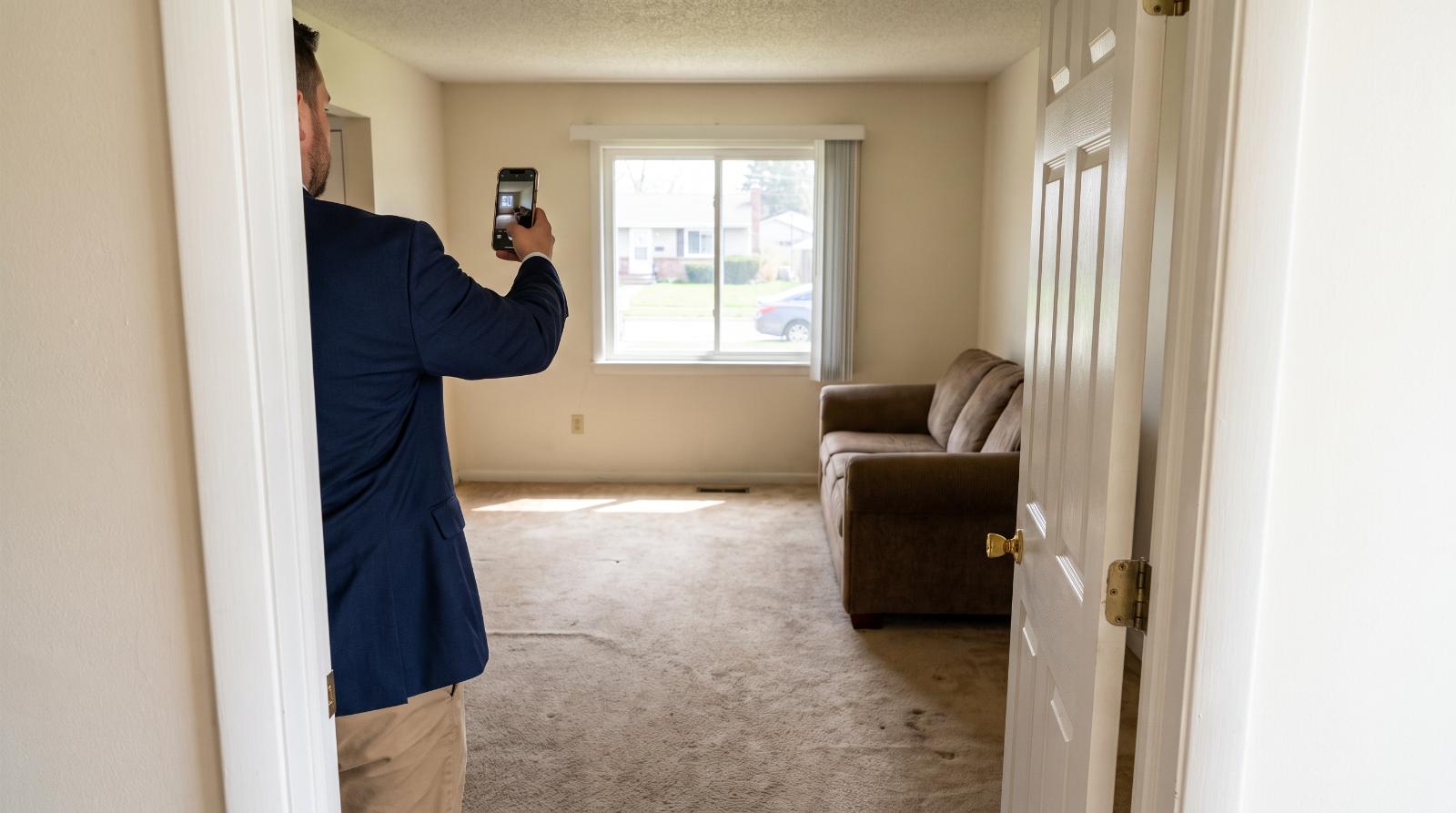
Relaxed Agent handles the contract to close details so you are not stuck chasing signatures, tracking deadlines, or cleaning up a broker file at the last minute. We keep the timeline clear, keep everyone accountable, and keep your transaction organized from acceptance to close. You stay focused on clients, negotiations, and new business.
Frequently Asked Questions
How are you paid?
Our fee is paid through escrow and only when your deal closes. No closing? No charge! For Add On services, these are to be paid before the service is completed. We accept Zelle, Venmo, Apple Cash, and Cash App.
What’s your cancellation policy?
No cancellation fees - ever. If a deal falls through, there’s no cost for you.
How early can you start on a transaction?
We can start as early as pre-listing by getting the property added to the MLS (through our MLS Entry Add On). For buy side, we can help generate offers whenever you're ready.
Do you handle multiple transactions at once?
Definitely! We can support multiple deals without missing a beat.
Do you offer custom services?
Yes, we’re flexible and open to additional tasks - just let us know what you need!
Can you help with submitting offers?
Absolutely! We can draft, review, and help submit offers quickly.
Im looking to buy or sell a home. Can you help me?
Yes. Jessica Sheltren is a California real estate agent backed by Relaxed Agent's professional transaction coordination, and she specializes in representing buyers and sellers throughout California through dorect, indirect and referral support. Reach out to discuss your transaction, and we'll walk you through every step with the same precision and compliance expertise that makes Relaxed Agent the choice for serious agents.
Jessica Sheltren
Co-Founder and Lead Transaction Coordinator for Relaxed Agent
SkySlope's AI now flags missing signatures automatically. Great. It still can't call the buyer, negotiate a repair, or manage the human side of a deal.
The Missing Signature AI Can Find and Still Can't Fix
SkySlope's compliance software just got a lot better at finding problems. That's not marketing spin.
Its Smart Suite now scans transaction files, flags missing signatures, catches incomplete addenda, and cross references documents against MLS data to spot mismatched addresses before a human reviewer ever opens the file. According to HousingWire's coverage, this kind of automated compliance check is becoming standard infrastructure at brokerages running SkySlope, not a novelty add-on.
So here's the question agents keep asking, sometimes hopefully, sometimes nervously. If software can already spot the problem, why pay a person to manage the file at all.
What SkySlope's AI Actually Does
Worth being specific here, since most of the hype around this stuff is vague. SkySlope's Smart Suite includes tools that extract key details from purchase contracts automatically, route documents to the right checklist items, and flag compliance issues for a human auditor to review.
Dotloop and Brokermint haven't matched this yet. SkySlope is currently the platform leading with genuine AI compliance review, not just automated reminders or templated checklists.
That's genuinely useful. A missing signature or an incomplete disclosure caught before a broker review saves real time. Fewer files bounce back. Fewer late-night scrambles the day before closing.
But notice the verb doing the work in all of this. Flag. Catch. Detect. The software is very good at noticing something is wrong. It has no mechanism for making it right.
Noticing a Problem Isn't the Same as Solving It
A missing signature flagged by SmartAssist still needs a human to figure out why it's missing. Maybe the buyer's out of town. Maybe the form went to the wrong email. Maybe the agent forgot to send it in the first place.
Whatever the reason, somebody has to track down the actual person, explain what's needed, and get it resolved before a deadline passes. Software flags the gap. It doesn't call anyone. It doesn't negotiate a new signing time. It doesn't know that this particular buyer only responds to texts, never email.
This is the gap that keeps showing up whenever software gets good at flagging problems in real estate. Detection and resolution are two different jobs, and most of the industry's automation investment has gone toward the first one, because it's the easier engineering problem.
What Still Needs a Human Making Judgment Calls
Some of the most time-consuming parts of a transaction aren't compliance checkboxes at all. They're judgment calls no checklist can make for you.
Deciding whether a repair request response from the other side is reasonable or a stalling tactic. Reading an HOA's slow document turnaround and knowing when to escalate versus wait another day. Catching that a buyer's tone in an email has shifted from cooperative to frustrated, and getting ahead of it before it becomes a bigger problem.
An appraiser walking a property and flagging a condition issue isn't something an audit tool anticipates either. Someone still has to be there, understand what it means for the file, and coordinate the next step with the lender and both agents.
None of that shows up on a compliance checklist. It's the actual coordination work, and it's exactly what falls under what a transaction coordinator handles day to day, well beyond confirming a form got signed.
Where the AI Actually Helps a TC's Job
To be fair to the software, this isn't a case against using it. A good TC benefits enormously from automated compliance review, because it removes the tedious first pass.
Instead of manually checking every page of every file for a missing initial, a TC can start from a system that's already flagged the obvious gaps and spend their attention on the harder stuff, the phone calls, the negotiations, the situations that need actual judgment. Industry guidance on AI adoption generally lands in the same place: automation should remove repetitive work, not replace the person doing the thinking.
The honest read on adoption backs this up too. Plenty of brokerages have transaction software installed but barely use its automation beyond basic document storage, according to industry research on transaction platform usage. The tool being available isn't the same as the coordination work being handled.
The Compliance Officer's Version of This Problem
This isn't a new tension, either. The California DRE has always cared about outcomes, not just checkboxes. A file with every signature present but a repair negotiation that fell apart because nobody managed the back and forth is still a failed transaction, audit trail or not.
Broker compliance review exists to catch missing paperwork. It was never designed to manage the human side of a deal, and no AI layered on top of it changes that scope. If anything, automated compliance checks make the distinction clearer. Once the paperwork gap is solved, what's left is exactly the coordination work that was always the harder half of the job.
So, Does It Replace a TC?
No, and the honest answer isn't even close. What it does is change what a TC's day looks like.
Less time spent manually hunting for missing initials. More time spent on the actual coordination that keeps a deal moving, chasing signatures from people who don't respond to email, managing a seller who's getting anxious about a delayed repair, catching a discrepancy that isn't a form field at all but a mismatch between what two agents think was agreed to.
If your brokerage already runs SkySlope's automation and you're still fielding late-night texts about stalled files, that's not a sign the software failed. It's a sign the coordination work was never the part software could do. The costs of trying to handle that side alone tend to show up quietly, in deals that take longer to close than they should, not in a compliance report anywhere.
Next time a compliance tool flags something on one of your files, ask what happens next. If the answer is "someone has to actually deal with it," that's the job that hasn't gone anywhere.
A quiet price cut reads as desperation. A blind relist just delays the real problem. Here's how to actually decide which move a stale listing needs.
The Number Buyers See Before They See Your Listing
Every listing has two versions. There's the one with the photos and the description you wrote. And there's the one buyers actually see first: a number next to the address that says how long it's been sitting there.
Fall makes that number climb faster than it should. Fewer buyers touring, more time between showings, and suddenly a perfectly fine house looks like it's been rejected by everyone who walked through it. Buyers notice. Their agents notice more.
Once days on market crosses whatever the invisible threshold is in your area, usually somewhere past three weeks in a normal cycle, people stop asking "is this a good house" and start asking "what's wrong with it." That shift in framing costs sellers more than almost anything else in a slow season, and most agents respond to it with either a knee-jerk price cut or nothing at all.
What Actually Resets When You Relist
Here's where a lot of agents get this wrong, so it's worth being precise. When you cancel a listing and resubmit it, two different numbers are in play, and they don't behave the same way.
Days Active in MLS is the counter tied to the current listing instance. It goes back to zero the moment you relist. Cumulative Days Active in MLS, usually written as CDAM, tracks the total time the property has spent on the market across every relisting, and it doesn't care how many new MLS numbers you generate.
California changed the math on this recently. CRMLS, the largest MLS in the state, shortened the CDAM reset window from 90 days down to 31 days as of November 2025. That's a real difference. A listing that needed three full months off the market to look genuinely fresh now needs about a month.
Zillow runs its own separate clock on top of that. According to Zillow's own help documentation, the Days on Zillow counter for MLS-sourced listings resets only if the property was off-market for 31 or more consecutive days, regardless of what your local MLS decides internally. So even with CRMLS's shorter window, you still need a full month of genuine silence for the public-facing number to actually reset.
What a Price Cut Actually Signals
A price reduction by itself is just a number moving down. What it signals to a buyer depends entirely on how and when it happens.
A quiet, unexplained cut on day 45 reads as desperation. Buyers and their agents read it that way because it usually is desperation, a seller who priced too high and is now negotiating against themselves in public. Negotiation coverage from outlets like Forbes keeps making the same point: the party who moves first and alone, with no accompanying story, gives away leverage for nothing in return.
A price adjustment paired with a genuine refresh reads completely differently. New photos, an updated listing description, maybe a relisted MLS number if the timing works out. Now the price move looks like part of a repositioning, not a surrender. Same dollar amount. Different story. Buyers respond to the story more than the math.
When Relisting Actually Makes Sense
Relisting earns its keep when something about the listing genuinely changed since it first went live, not just the calendar.
The photos are dated, shot in a different season or before a staging refresh. The description still reads like it was written for a market that had five competing offers a week. The price is now aligned with comparable sales instead of aspirational. Any one of these is a legitimate reason to take the listing dark for a month and come back with something that actually looks new, because it is.
This is also the moment to double check your marketing is still on solid ground. If you're refreshing photos, California's disclosure rules around edited listing images still apply to the new set, not just the original ones. And if any part of the relaunch involves teasing the property publicly before it's back in the MLS, that's exactly the territory covered in Zillow's listing access rules, which haven't gotten more forgiving.
When It's Just Delaying the Real Problem
Relisting doesn't fix an overpriced house. It just buys the house a few weeks of looking new before the same buyers who already saw it once notice it's back with the same price and the same three photos taken from the driveway.
Local buyer's agents remember addresses. If your relisted property shows up with a suspiciously fresh days-on-market count and an identical price, the sophisticated ones will say something to their clients, and it won't help you. NAR's own guidance on market transparency exists precisely because buyers are supposed to be able to trust that a clean number means a genuinely new opportunity, not a cosmetic reset.
If the price hasn't moved, the photos haven't changed, and the only thing different is the MLS number, that's not a relist strategy. That's just a delay tactic wearing a relist costume, and most experienced buyers can tell the difference within thirty seconds of pulling up the listing history.
How to Do a Relist Right
If a listing genuinely needs a reset, do the whole thing properly instead of half of it.
Get a real explanation for why it didn't sell the first time, price, condition, photos, or exposure, before deciding what to change
Take new photos in current light and current season, not recycled shots from the original listing
Rewrite the description instead of copying it over. If it read flat the first time, it'll read flat again
Time the price move to land with the relaunch, not weeks before or after it
Confirm the off-market window actually clears your MLS's CDAM reset before you resubmit, thirty days short of the mark defeats the whole point
None of this requires new software, though it's worth checking what's already sitting in your stack. Plenty of agents already have tools listed on popular agent tools that handle photo scheduling and listing syndication and just aren't using them for this. And if the whole relaunch feels like more coordination than you have bandwidth for on top of an active pipeline, that's exactly the kind of detail work listing management support exists to catch.
A slow market punishes sellers who wait and reward sellers who reposition. Coverage across the industry keeps circling the same point about markets like this one: the listings that sit are rarely the wrong houses. They're usually the ones nobody bothered to make look new again.
Next time a listing crosses the point where you're tempted to just knock ten thousand off the price and hope, ask what story that price cut is telling on its own. If the answer is nothing, it's not ready to go out yet.
Fall's slower pace gives buyers leverage sellers didn't plan for. Repair fights drag, deadlines wobble, and verbal extensions stop holding up. Here's the fix.
The Slowdown Nobody Puts On a Calendar
Spring escrows run on adrenaline. Multiple offers, tight contingency windows, everybody moving fast because somebody else is circling the same house.
Fall doesn't work that way. The buyer pool thins out. Days on market stretch. And nobody sends a memo telling agents the rules of the deal just changed.
California's housing market has been drifting toward something closer to balanced through 2026, with inventory holding up better than it has in years and homes sitting longer before they sell. Outlets like HousingWire have been tracking the same shift nationwide. That's not a crash. It's a shift in leverage, and it shows up first in the parts of escrow that used to feel automatic.
Why a Slower Market Changes Who Holds the Cards
In a hot market, a buyer who gets picky after inspection risks losing the house to someone less picky. That fear keeps repair requests short and reasonable.
Take the fear away and the whole dynamic flips. Buyers in a more balanced market negotiate harder because they know the seller doesn't have three backup offers sitting in a drawer. With mortgage rates still sitting in the mid six percent range according to Freddie Mac's weekly survey, buyers also have less financial room for error, which makes them slower to compromise on anything the inspection turns up.
Sellers who listed expecting spring-market urgency are often the last to notice this. They priced for a bidding war that never showed up, and now they're negotiating from a position they didn't plan for.
This matters for a transaction coordinator because it changes the shape of the file. Fewer clean, fast closes. More back and forth. More documents that need to go out correctly the first time because there isn't a backup buyer waiting to bail you out of a mistake.
The Repair Request Gets Longer and Meaner
Inspection findings don't change with the seasons. How buyers respond to them does.
A buyer with leverage doesn't send a short, reasonable Request for Repair. They send a longer one. They ask for credits instead of repairs because they don't trust the seller to do the work right, and they know the seller is more likely to say yes than they would have been in March.
That's not a buyer being difficult. That's just what happens when the market stops protecting sellers from scrutiny. Negotiation coverage from outlets like Forbes makes the same point over and over: leverage shifts behavior faster than most people expect it to.
The problem shows up when agents haven't adjusted their expectations. A seller's agent still bracing for a light, easy repair conversation gets blindsided by a real one, and the response comes out defensive instead of strategic. That's how a fixable negotiation turns into a canceled contract. Some of the most common transaction coordination mistakes trace back to exactly this kind of mismatch between what the file needs and what the agent expected it to need.
When "We'll Just Push the Date" Becomes a Real Problem
Here's where fall really starts costing people money. Slower negotiations eat calendar days. Calendar days eat contingency deadlines. And a lot of agents handle a slipping deadline with a text message instead of paperwork.
"No worries, we can push closing a week" is not a contract modification. It's a conversation that feels binding right up until somebody needs it to actually be binding, and then it isn't.
The Extension of Time Addendum exists for exactly this. It costs nothing, takes five minutes to prepare, and creates the paper trail that protects both sides if the deal gets tense later. In a fast spring market, agents sometimes get away with skipping it because deals close before anyone notices the gap. In a slower fall market, deals sit open longer, which means there's more time for that gap to become somebody's problem.
If you're tracking multiple contingency and closing dates across several open files right now, deadline management isn't a luxury. It's the thing standing between a normal extension and a default.
Escrow Doesn't Know Your Timeline Changed Unless You Tell It
Agents love to think of escrow as a formality that runs itself once the contract is signed. It isn't. Escrow works off written escrow instructions, not off whatever the buyer and seller agreed to over text.
Push the close of escrow back a week and forget to tell your escrow officer, and you've got a file where the contract says one date and the escrow instructions say another. That mismatch doesn't resolve itself. It shows up at the worst possible moment, usually right when someone's trying to schedule a final walkthrough or a wire.
Federal timing rules from the CFPB already dictate how quickly a lender has to deliver closing disclosures once dates are locked in, so a moving target on your end just adds friction to a process that's already regulated down to the day. Fall makes this more likely simply because there are more moving pieces staying open longer. A file that would have closed in three weeks during peak season might now run five or six, and every extra week is another chance for escrow to be working off outdated numbers.
Every Change Needs Paper, Not a Text Message
This is the pattern running underneath everything else in this post. Repairs, deadlines, price adjustments, whatever changes mid-transaction, all of it needs to go through a signed Addendum, not a group text.
It sounds like overkill until the deal gets contentious, and slower markets produce more contentious deals. Buyers who negotiated hard on repairs are more likely to negotiate hard on everything else too. If the only record of what got agreed to is a text thread, you don't have a modification. You have a disagreement waiting to happen.
The California DRE doesn't treat verbal modifications kindly either, broker file reviews expect a written trail for a reason. Real talk: nobody wants to be the agent chasing down a signature on a Friday afternoon because a modification never got formalized. But that's a lot better than being the agent explaining to a broker why a file has three undocumented changes and no clean paper trail. Transaction compliance exists specifically to keep that from happening, and it matters more, not less, when files are staying open longer than usual.
What Slips When Agents DIY a Slow-Season File
A slower market tempts agents into thinking they can handle fewer active files on their own. Fewer transactions, less urgency, why pay for coordination on something that isn't moving fast anyway.
That logic gets it backwards. A slow file isn't a simple file. It's a file with more open days for something to slip through the cracks, more negotiation rounds that need documenting, and more room for a verbal agreement to quietly replace a written one. If you've ever wondered whether you actually need a transaction coordinator on a file that feels manageable, a dragged-out fall escrow is exactly the kind of file where that assumption gets tested.
It's also worth a gut check if you already have TC support but you're the one still getting the late-night texts about a stalled repair negotiation. A single point of coverage can get stretched thin during a season where every file runs longer than expected, and that's usually when backup coverage matters most, not when volume is high, but when timelines are long and unpredictable. The same discipline applies whether you're running two files or ten at once, it's just easier to lose track of a slow file precisely because it doesn't feel urgent.
None of this is new, exactly. Escrows have been running longer across California for a while now, and the agents handling that well are the ones treating every extension and every repair negotiation as a paperwork event, not a conversation.
A Practical Fall Checklist
A few things worth doing on every open file right now, not just the ones that feel behind schedule.
Confirm every contingency and closing date is documented in writing somewhere besides a text thread
Any repair negotiation that's dragging past a week gets an inspection report attached and a real deadline, not an open-ended back and forth
Before you say "we'll just push it," draft the extension addendum first
Send updated dates to escrow the same day an addendum gets signed, not the week before closing
If a file has been open longer than you expected, ask why. Slow isn't always fine. Sometimes it's a sign something got missed
None of this is complicated. It's just easy to skip when the market feels quiet enough that nothing seems urgent. Fall is exactly when that assumption gets expensive.
A 1967 wiretapping law is now targeting real estate websites over chat widgets and analytics. One proptech firm is fighting back. Here is what you need to know.
A demand letter shows up. It cites a law from 1967. It claims your website's chat widget, or maybe just Google Analytics, amounts to illegal wiretapping. It asks for up to $50,000.
That's not a scam email you can delete. It's a real legal theory, it's being filed by the hundreds against California businesses right now, and real estate websites are squarely in the crosshairs.
This isn't an obscure corner of privacy law anymore. It's an active, well-funded litigation strategy, and it's specifically found its way into an industry that's built its entire lead-generation model around exactly the tools now being targeted.
What CIPA Actually Is, and Why It's Suddenly Everywhere
The California Invasion of Privacy Act was written in 1967 to stop illegal phone tapping. Long before websites existed, the law's pen register and trap and trace provisions were designed to catch someone secretly recording a phone call or intercepting call routing data.
Plaintiff's attorneys have repurposed those same provisions to argue that common website technology, analytics scripts, chat widgets, session recording tools, amounts to the same kind of unauthorized interception. The argument is that a visitor's activity on your site, their clicks, their mouse movement, their chat messages, gets captured and shared with a third-party vendor without proper consent, which the plaintiff claims is legally equivalent to someone secretly listening in on a call.
Whether that theory should hold up is genuinely contested right now. As of August 2026, one tracker following documented CIPA website cases counts 46 lawsuits with more than $153 million in disclosed settlements. The legal ground underneath all of it is anything but settled.
What makes CIPA different from the privacy laws most agents already think about, like the California Consumer Privacy Act, is the penalty structure and the plaintiff's bar behind it. CCPA compliance is largely about disclosure and opt-out mechanisms, and enforcement runs primarily through the state attorney general. CIPA carries a private right of action with statutory damages attached, which means any individual, not a regulator, can file a claim and collect. That difference is exactly why CIPA has become the more aggressively litigated of the two, even though it predates the modern internet by decades.
The Real Estate-Specific Wake-Up Call
This stopped being an abstract industry risk in July 2026, when it hit real estate directly. Lofty, a proptech platform serving more than 91,000 real estate professionals and roughly 30,000 hosted websites, received a CIPA demand letter of its own over its standard analytics tools.
Rather than settle quietly, Lofty filed a lawsuit on July 8, 2026, against Vivek Shah, a self-represented litigant who has reportedly filed more than a thousand similar suits across California, asking a federal court to declare that Lofty's standard analytics implementation doesn't violate CIPA. The next day, Lofty launched a CIPA Defense Program, offering existing customers a free legal review and defense against demand letters tied to Lofty's standard platform tools.
That's a notable move. A vendor stepping in to fight a legal theory on behalf of its customers isn't common, and it tells you how seriously the proptech side of the industry is taking this. It also tells you the letters are real. Real estate brokerages nationwide, not just in California, have been receiving templated demand letters over tools as ordinary as Google Analytics 4 and HubSpot, tools that are effectively industry standard on agent and brokerage websites.
Real Estate News covered the Lofty situation directly, noting that Zillow and Redfin faced nearly identical CIPA suits from the same plaintiff back in 2024 over tracking pixels, both of which were eventually dismissed voluntarily. That history matters. It suggests these claims can be beaten, but only after real legal effort, not by ignoring the letter and hoping it goes away.
What Tools Are Actually Getting Targeted
The pattern across documented cases is consistent. Three categories of technology show up again and again: session-replay tools that record mouse movement, clicks, and form input for user experience analysis, advertising and analytics pixels like Meta Pixel and Google Analytics, and live chat widgets, especially ones that log or store conversation transcripts.
AI chatbots have become a newer target. If a chatbot vendor logs, stores, or trains on a visitor's conversation, plaintiffs are arguing the website operator "aided" an unconsented interception of that conversation. For real estate specifically, that's a direct hit. Chat widgets and AI-powered lead capture bots are common on IDX-powered agent websites precisely because they're effective at converting visitors into leads. The same feature driving your lead flow is the one drawing legal attention right now.
It's worth being precise about scope here. This isn't about whether these tools are illegal in some general sense. It's about whether they were deployed in a way that captured visitor activity before the visitor gave clear consent. The technical fix, in most cases, comes down to consent timing and disclosure, not ripping the tools out entirely.
Check your own site against this list honestly. If you're running any of the popular lead capture and marketing tools most agents use, there's a real chance at least one of them falls into a category that's already been named in a demand letter somewhere.
The Legal Ground Is Genuinely Unstable Right Now
Here's what makes this different from a straightforward compliance checklist. The courts themselves haven't settled the underlying question yet.
On June 26, 2026, a federal judge approved a $3.85 million class action settlement against the Los Angeles Times over tracking pixels. Three weeks earlier, a California state court dismissed a nearly identical claim with prejudice. Two courts, two opposite outcomes, on essentially the same legal theory. The Second and Sixth District Courts of Appeal are expected to issue the first appellate rulings on whether CIPA even reaches website tracking technology at all, and until that happens, the legal environment stays genuinely unpredictable.
There's also a legislative fix in motion. California SB 690 has been introduced specifically to close the loophole that's turned CIPA into what critics describe as a cottage industry of website litigation. Whether it passes, and when, is still an open question. Until it does, or until the appellate courts weigh in, the demand letters keep coming regardless of how the underlying legal theory eventually shakes out.
What Settlement Demands Actually Look Like
Demand letters in this category typically ask for up to $50,000. Actual settlements have tended to run lower, commonly between $5,000 and $15,000, according to reporting on the pattern across multiple cases. That's still a meaningful hit for a solo agent or small team, and it doesn't account for the time and legal fees involved in responding even when a claim eventually gets dismissed.
CIPA carries statutory damages of $5,000 per violation, which is part of what makes the threat credible enough that businesses settle rather than fight, even when they believe the underlying claim is weak. Nearly 2,000 CIPA cases were filed in California state courts between 2023 and 2026, with a small handful of law firms responsible for the majority of filings since 2024. This has the structure of a volume-based legal strategy, not isolated individual complaints. HousingWire's proptech coverage has been tracking how brokerage consolidation and shared technology platforms are reshaping legal exposure industry-wide, and CIPA is a clear example of a risk that scales with how many agents share the same underlying website infrastructure.
What to Actually Do If Your Website Runs These Tools
Start by knowing what's actually running on your site. If you're on a platform like Lofty, BoldTrail, or a similar all-in-one system, ask your provider directly whether they have any defense program or compliance guidance specific to CIPA. Some vendors are actively responding to this the way Lofty has. Others haven't said anything yet, which is worth knowing before you assume you're covered.
If you've built your own site or added third-party tools beyond what your platform provides, session replay software, a standalone chat widget, a custom AI chatbot, those additions typically fall outside any vendor's standard defense coverage. That's exactly the kind of gap worth auditing directly rather than assuming someone else's compliance program extends to cover it.
Review your cookie consent and disclosure setup. A lot of the legal exposure here traces back to timing, whether tracking tools fire before a visitor has given any indication of consent. If your site doesn't have a clear consent banner or if your tools load immediately on page visit regardless of consent status, that's the specific gap plaintiff's firms are built to find.
If you receive an actual demand letter, don't respond on your own and don't ignore it either. This sits in the same category as ADA website accessibility demand letters, a legal risk tied directly to your website's technical setup rather than anything about how you conduct business day to day, and it deserves the same seriousness. Loop in your broker or your errors and omissions coverage, and talk to an attorney who's actually handled a CIPA claim before deciding how to respond. The California DRE doesn't regulate CIPA directly, but a brokerage-wide legal exposure like this is exactly the kind of thing worth raising at your next office meeting rather than letting individual agents discover it one demand letter at a time.
The Broader Pattern Worth Watching
This is part of a wider trend of decades-old statutes getting reinterpreted for modern website technology, and real estate keeps showing up as a target because agent and brokerage sites are full of exactly the interactive features, chat, forms, IDX search, that these legal theories are built around. It's not that real estate is doing anything unusual. It's that the industry's websites are unusually feature-rich compared to a typical small business site, which means more potential surface area for a claim.
If your website has been sitting untouched for a year or more while you focus on transactions and leads, this is a good prompt to actually look at what's running on it. Not just for CIPA specifically, but as a general practice. A transaction coordinator catches deadline and disclosure gaps on the file side. Nobody's doing the equivalent audit on your website unless you're the one doing it, or paying someone to.
Pull up your website today and check what's actually loading before a visitor clicks anything. If you don't know the answer, that's the first thing to find out.
HomeLight Listing Management (formerly Disclosures.io) helps agents organize, share, and track disclosure docs to ensure smooth and professional transactions.
HomeLight Listing Management, formerly known as Disclosures.io, is a platform that simplifies property disclosure management for real estate agents. It allows agents to upload, organize, and share disclosure documents in a professional and branded format, enhancing client presentations.
With real-time tracking, agents can see who has viewed, downloaded, or signed the docs, reducing back-and-forth communication and improving transparency. This tool helps ensure that all necessary disclosures are in place, streamlining the transaction process and helping agents deliver a smooth, professional experience for buyers and sellers alike.
Heading 1
Heading 2
Heading 3
Heading 4
Heading 5
Heading 6
Lorem ipsum dolor sit amet, consectetur adipiscing elit, sed do eiusmod tempor incididunt ut labore et dolore magna aliqua. Ut enim ad minim veniam, quis nostrud exercitation ullamco laboris nisi ut aliquip ex ea commodo consequat. Duis aute irure dolor in reprehenderit in voluptate velit esse cillum dolore eu fugiat nulla pariatur.
BoldTrail combines the Inside Real Estate portfolio of solutions into one cohesive ecosystem, powering and streamlining your workflow to drive maximum productivity.
BoldTrail unifies all the solutions from the Inside Real Estate portfolio into a single, streamlined platform that enhances efficiency and boosts productivity. This innovative platform is crafted to support every aspect of your business, offering robust technology alongside expert service, dedicated support, and a strong community network to help you succeed.
More than just a rebranding effort, BoldTrail is a strategic move by Inside Real Estate to integrate front office, back office, business intelligence, and recruitment tools, delivering a comprehensive system tailored for real estate professionals like you.
Heading 1
Heading 2
Heading 3
Heading 4
Heading 5
Heading 6
Lorem ipsum dolor sit amet, consectetur adipiscing elit, sed do eiusmod tempor incididunt ut labore et dolore magna aliqua. Ut enim ad minim veniam, quis nostrud exercitation ullamco laboris nisi ut aliquip ex ea commodo consequat. Duis aute irure dolor in reprehenderit in voluptate velit esse cillum dolore eu fugiat nulla pariatur.
Free Microsoft analytics tool that shows real estate agents exactly how website visitors click, scroll, and drop off, with AI-powered insights.
Microsoft Clarity is a completely free behavioral analytics platform that shows real estate agents exactly how visitors experience their website. Through heatmaps, session recordings, and AI-powered summaries, Clarity fills the gap between what your website analytics reports and why visitors are actually leaving without converting.
For agents who've invested in a strong site through Webflow or a custom build, pairing it with Clarity turns anonymous traffic into a clear picture of buyer and seller behavior. It works well alongside tools like Hotjar for a fuller view of visitor engagement, and integrates directly with Google Analytics for teams already tracking traffic sources. Visit Microsoft Clarity to create a free account and start recording sessions in minutes.
Heading 1
Heading 2
Heading 3
Heading 4
Heading 5
Heading 6
Lorem ipsum dolor sit amet, consectetur adipiscing elit, sed do eiusmod tempor incididunt ut labore et dolore magna aliqua. Ut enim ad minim veniam, quis nostrud exercitation ullamco laboris nisi ut aliquip ex ea commodo consequat. Duis aute irure dolor in reprehenderit in voluptate velit esse cillum dolore eu fugiat nulla pariatur.
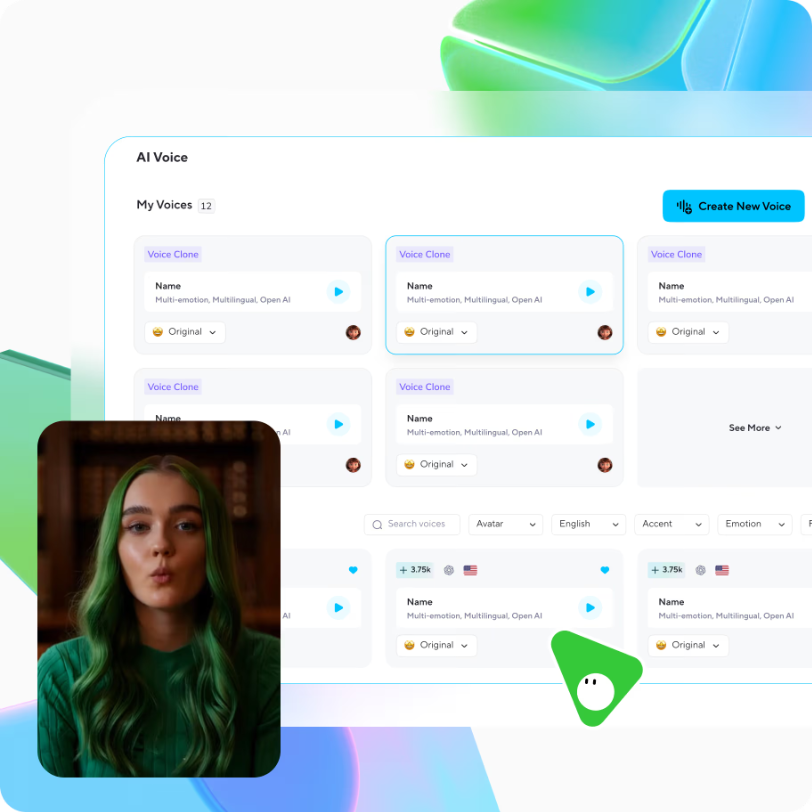
HeyGen is an AI video creation platform that lets you build professional videos using a digital avatar. No camera, no crew, just you on screen looking polished.
HeyGen lets you create studio-quality videos without ever stepping in front of a camera. Choose from a library of realistic avatars, or build one that looks like you, then type your script and let HeyGen do the rest.
It's a great fit for real estate agents who want to show up consistently on social media, send personalized video messages to clients, or add a professional welcome video to their website. No editing skills required. No equipment needed. Just a script and a few minutes.
Heading 1
Heading 2
Heading 3
Heading 4
Heading 5
Heading 6
Lorem ipsum dolor sit amet, consectetur adipiscing elit, sed do eiusmod tempor incididunt ut labore et dolore magna aliqua. Ut enim ad minim veniam, quis nostrud exercitation ullamco laboris nisi ut aliquip ex ea commodo consequat. Duis aute irure dolor in reprehenderit in voluptate velit esse cillum dolore eu fugiat nulla pariatur.

.webp)